
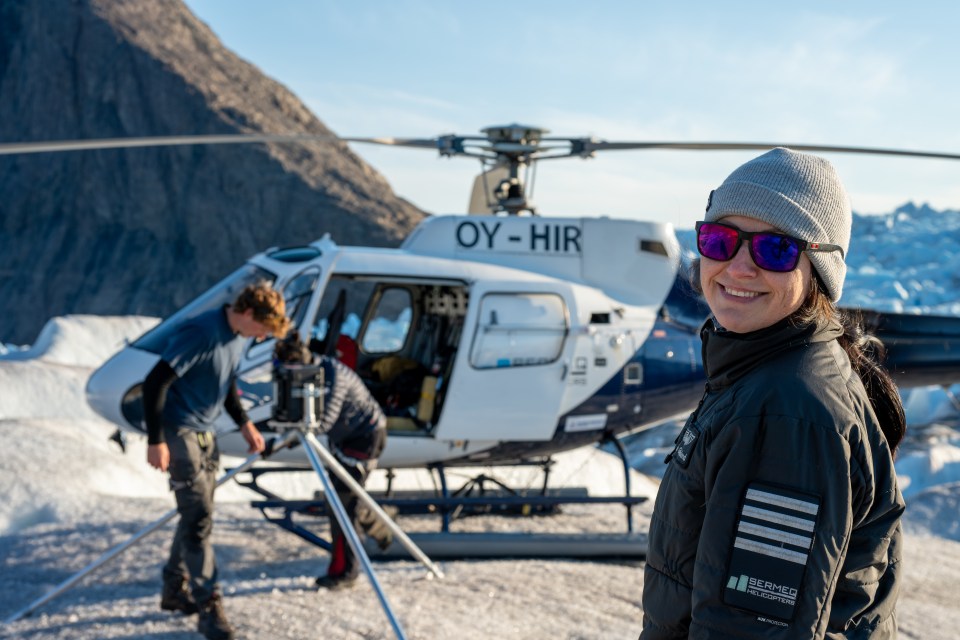
“I must admit these questions have got me taking a trip down memory lane,” Tina writes.
“I’m trying to think of things to share – why and how I got where I am – without it being too impersonal or dry!” That’s the thing about being asked to do something like this column – it really prompts reflection and tends to highlight achievements you may not have noticed for a while. “Just today, I have been doing ground runs on a helicopter returning from maintenance to service. And in between adjustments and checks, I’ve been running inside to warm up and keep writing this email.”
Tina Grindeland is a full-time utility pilot; the only female one in all of Greenland. She’s flown in many countries and in many capacities, but her path wasn’t all linear. “There isn’t just one memory or any fancy story. I have always been interested in aviation and helicopters, but didn’t see myself as, maybe, smart enough or good enough in mathematics, for example.” She did try out for ATC early on, but didn’t make it to the finish line. “That was disappointing at the time – but looking back, I am glad for it now.”
Tina started higher education, dropped out, then wrestled with Monday-to-Friday, eight-to-four, desk work, sitting still. One of those jobs happened to be located just by the airport, so she had offshore helicopters flying around the building on a daily basis.
‘If all these other people can fly a helicopter, surely so can I!’ she thought. And, one day, Tina just decided to go for it. “So my big ‘why?’ was maybe – because I can? Or perhaps because I decided to, and I persevere when I have made a decision.”
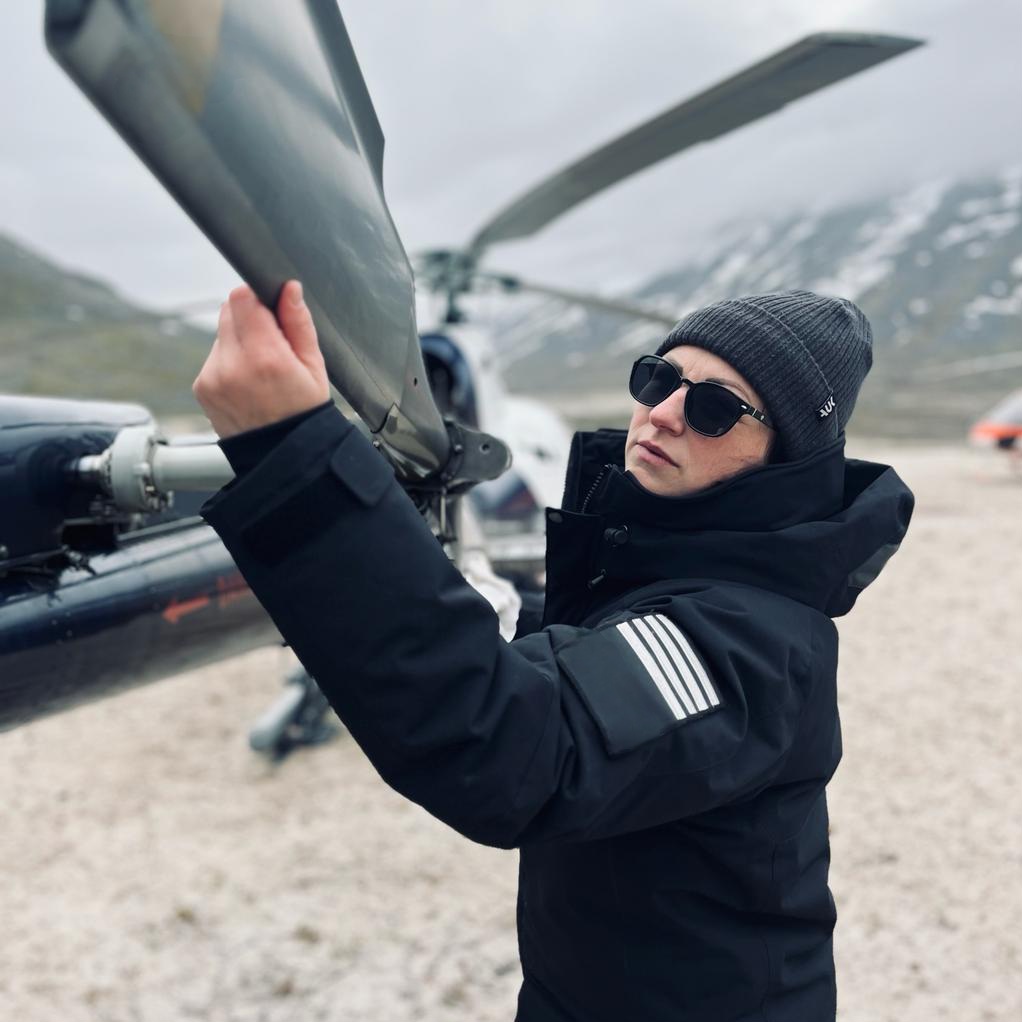
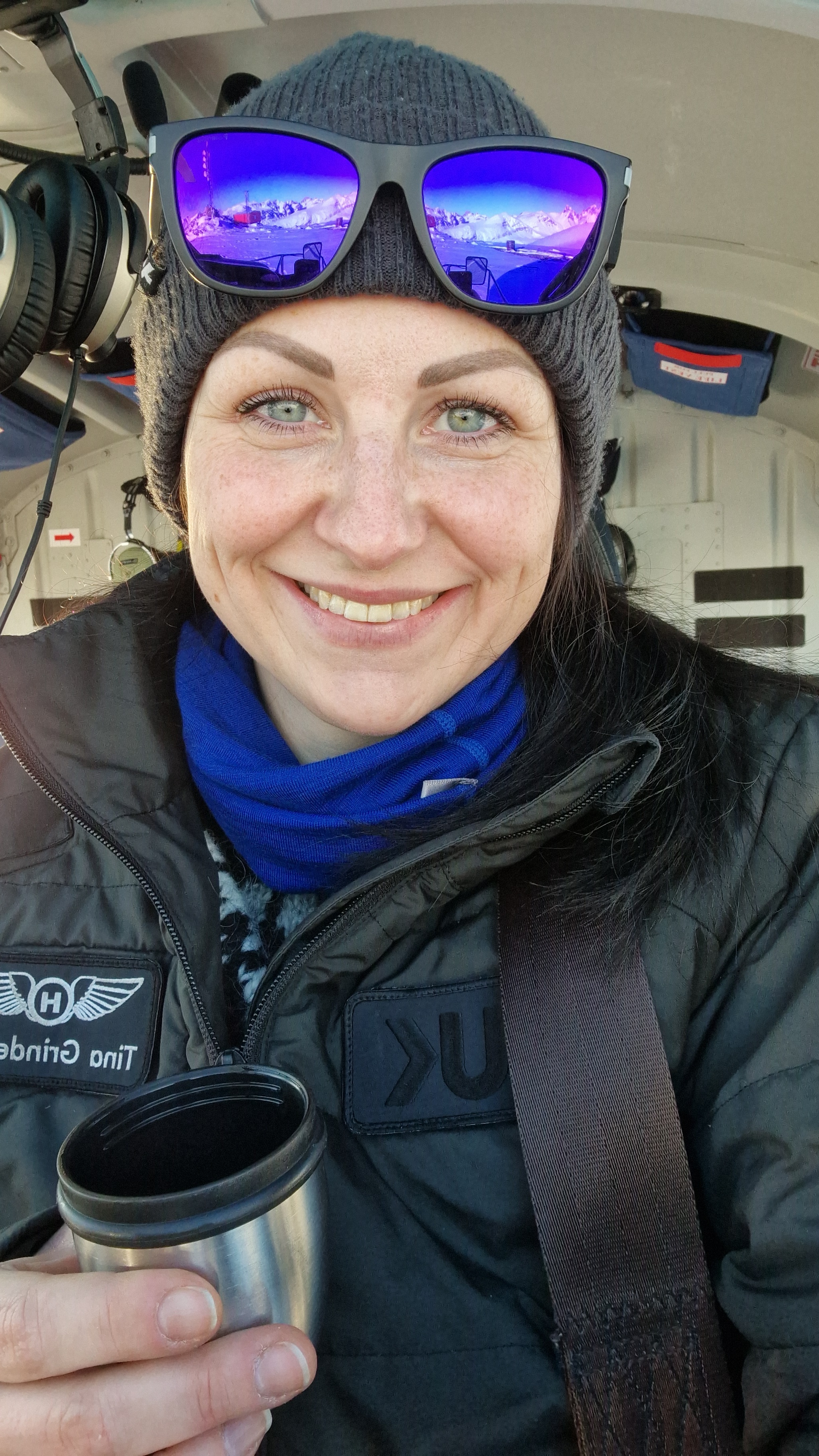
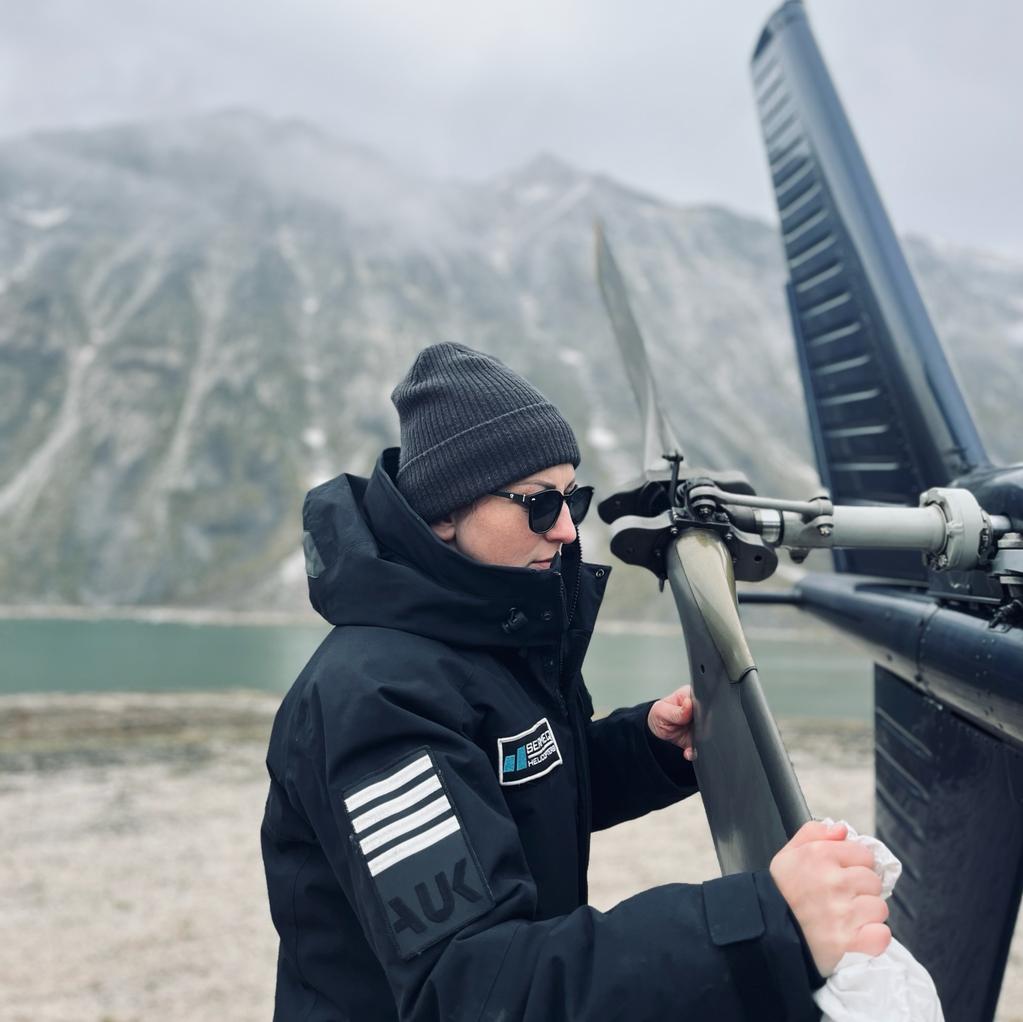
Tina wanted to go abroad to learn to fly, and the choice fell on the US because the dollar was weak against the Norwegian Krone. “That way I’d get more bang for my buck, plus I like to travel.”
Tina began her initial training at Hillsboro Aviation (now Hillsboro Aero Academy) in Oregon, USA, a large school offering both helicopter and fixed-wing training. “I went right through to my CFI rating there. There were more than 30 Norwegians there at the same time, doing some sort of aviation training, plus other people from all across the world, and I gained lifelong friendships from my time in the US.”
A year later, Tina was certified. In a stroke of good fortune, she was hired at the school as a flight instructor – her very first job in the industry – and there she stayed, til her visa ran out.
Hillsboro Aviation did not offer EASA certificates when Tina started, so she had only FAA certification. This led her to a job in Malaysia, flying tours and charter flights. But if she ever wanted to fly in Europe, she’d need to convert.
“After a quite challenging time abroad, I returned to Norway and took a break from aviation, unsure if it was still what I wanted.” Not long after, she decided it absolutely was, so it was back to the books for the dreaded EASA ATPLs. 14 different exams, with only three weeks of classroom teaching – the rest self-study. “I had to make it into my job. I was at the library Monday through Friday to study with a packed lunch and coffee in a thermos.”
“It was a difficult period for many reasons, but I was lucky enough to have one of my best friends alongside me for some of it, at least. She was one class ahead of me, so she finished earlier, and eventually I had to do it on my own, but having a partner in my studies who supported, pushed, and helped me was incredibly helpful, and I owe her much of my success.” Tina studied for over a year to pass all the exams and earn the European license. Thankfully, by then Norway had started with loans for aviation students, and upon passing all exams 40% of it turned into a scholarship.
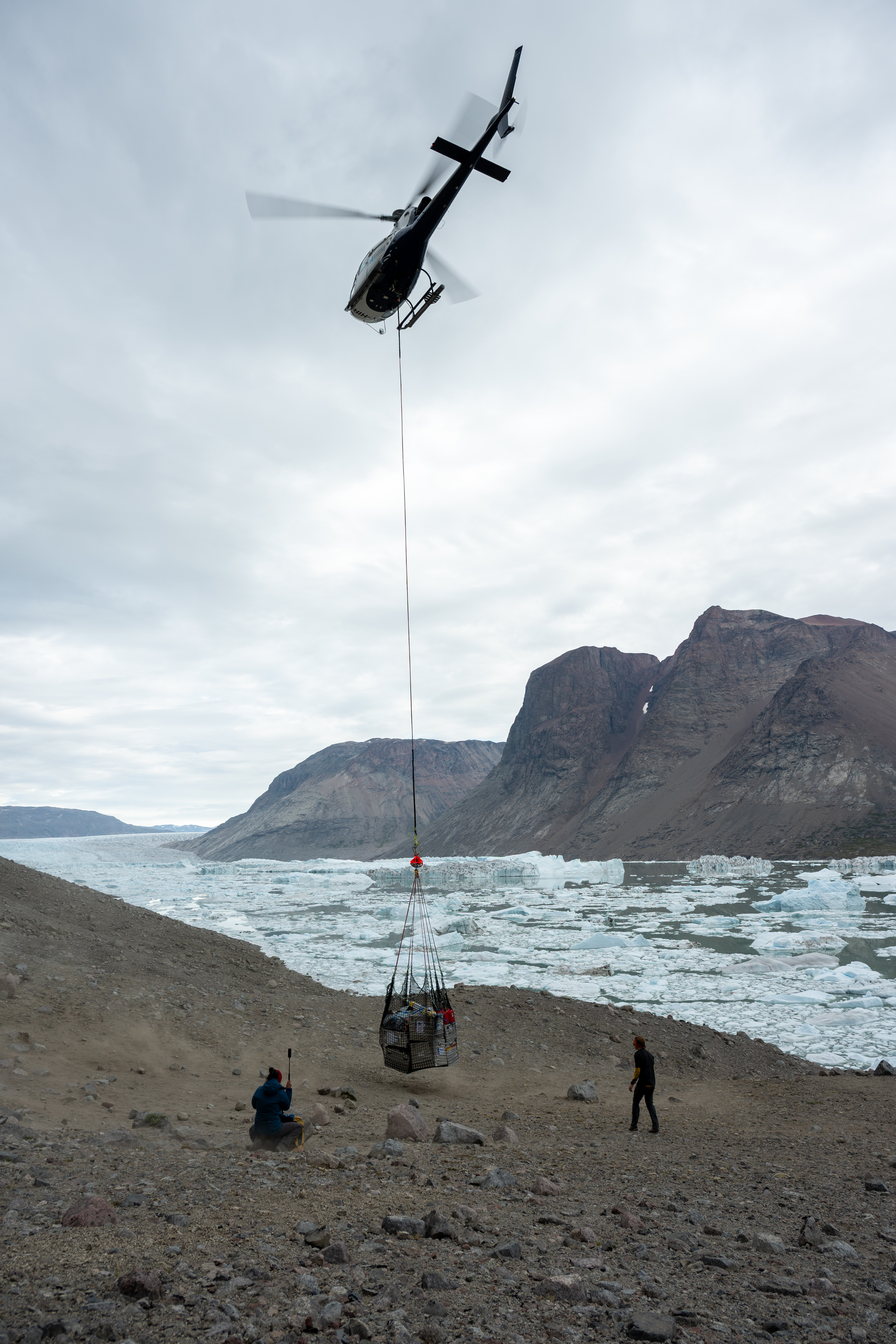
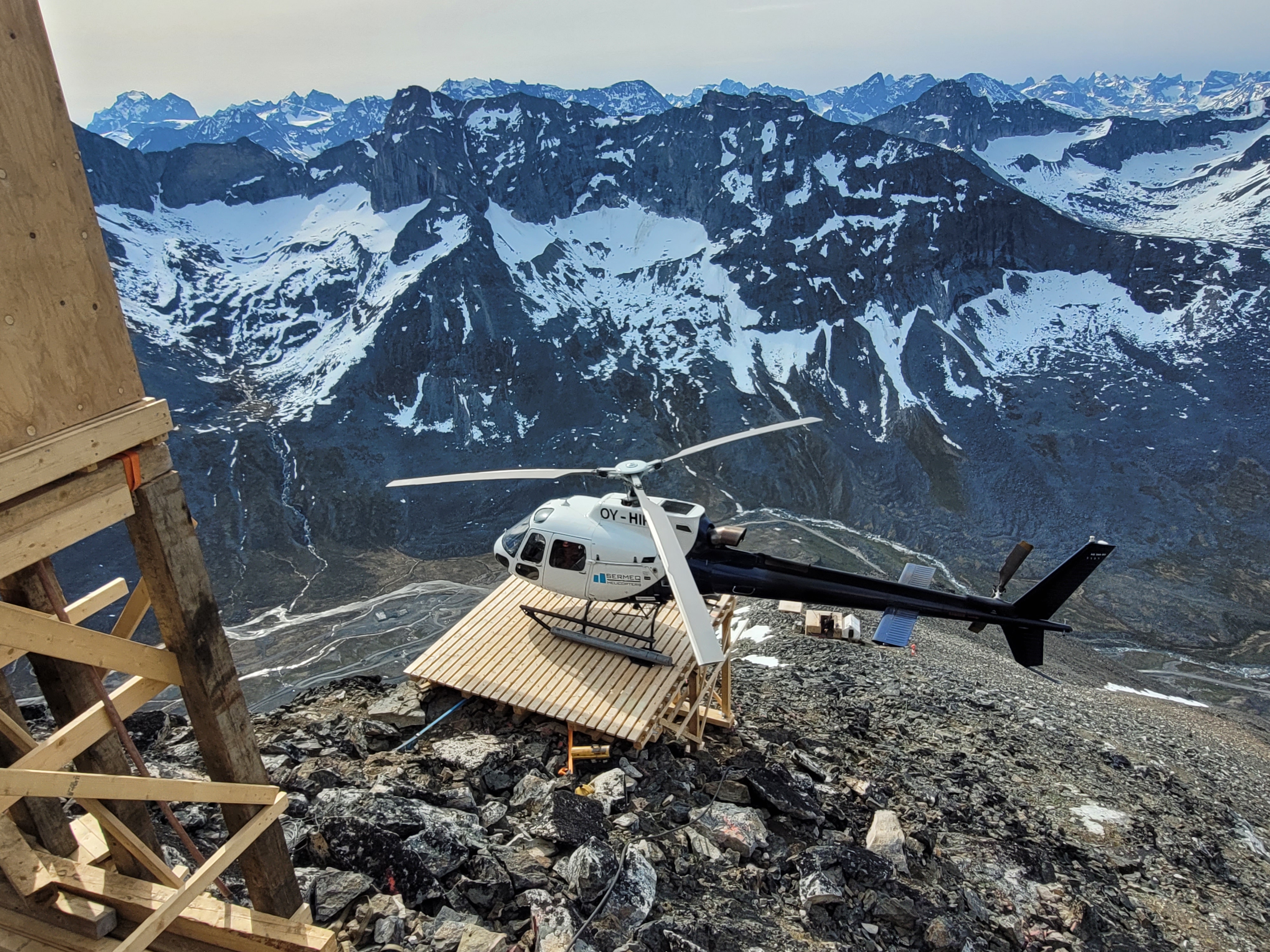
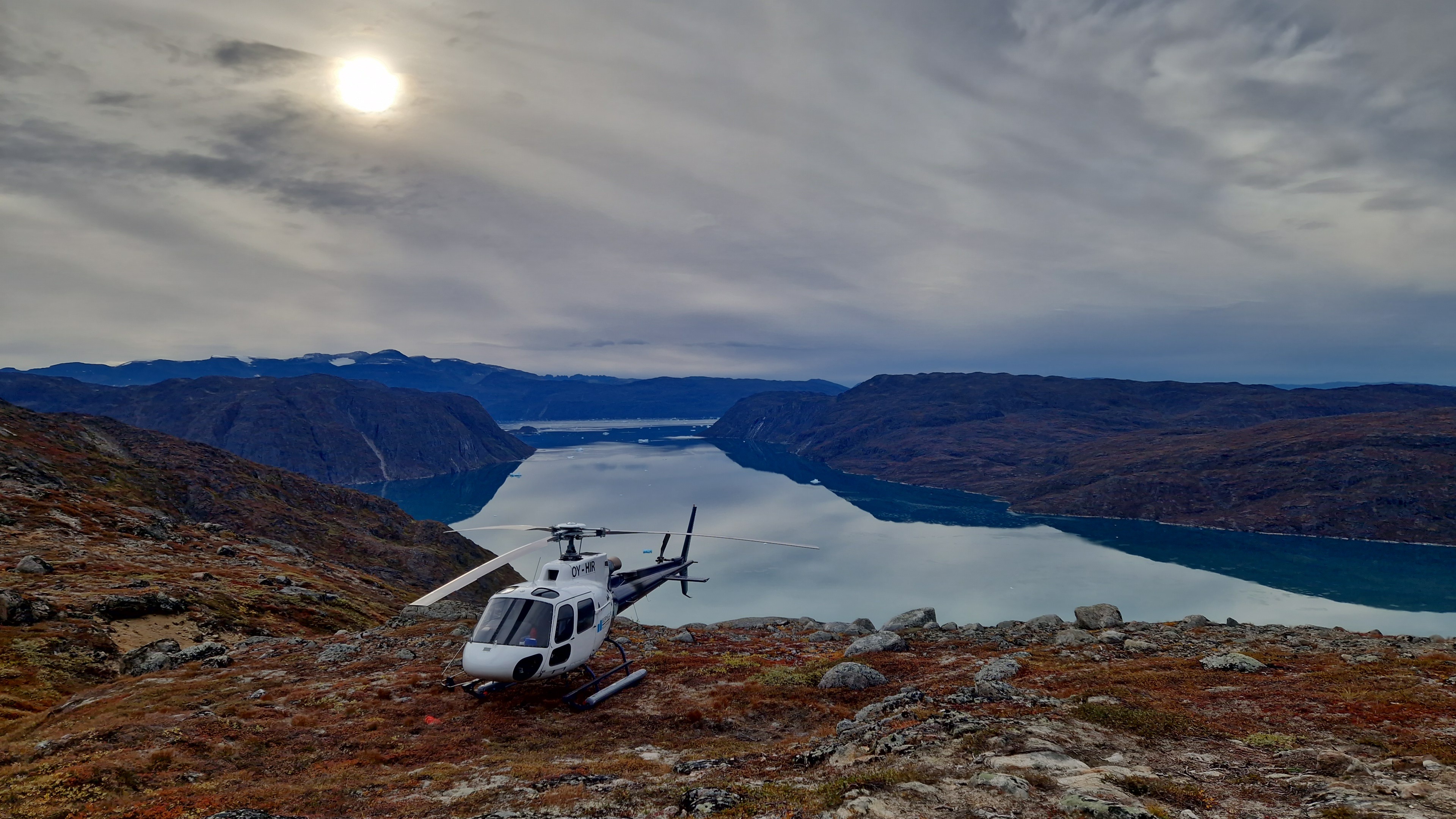
In Norway, it is normal to start on the ground as a load master and work your way up, especially to end up in the utility sector, flying HESLO (Helicopter External Sling Load Operations). “Some people have negative views of task specialists; some pilots treat them poorly, and boy, some days and weeks were horrendous. But looking back, I cherish those times, experiences, and all the knowledge some were willing to share.” It also meant she was better prepared to master the AS350 when her turn came, especially with the long line below. There were good times, too. “Being able to travel the country, see the landscape and villages, and meet people whose paths you would never have crossed if it weren’t for a job we were sent to do is a different form of richness.” Tina worked on the ground for a couple of years before she started flying again, jumping back into sightseeing, taxi flights, and some telesite work.
“I was doing seasonal work and freelancing for several companies simultaneously to make ends meet and gain experience in different types of flying and environments. Looking back, it feels almost unreal to have been flying in so many areas – across countries and even continents.”
Today, flying in Greenland, jobs change a little with the seasons, whilst some stay the same. “During high season, there are a lot of mineral drilling projects, and we all live in containers and tents in the middle of nowhere. There will be someone cooking food for everyone, along with shared dining areas, toilets, and showers. But, you get your own ‘room’ – half a tent with a little fabric wall between you and your neighbor!”
Other flying includes medevacs, bringing people and equipment to and from telesites (tele-towers for communication, TV, and radio), and general passenger flights, as there aren’t many roads between cities and settlements in Greenland.
“When the fjords freeze in winter, there are no boats either, so that’s part of what we do. And in summer, we might head out with exploration geologists or scientists, all with different remote areas they would like to visit. That gives us some challenging terrain landings, but also a nap or two during the day, when they need several hours at one location. I bring out the sleeping bag, tuck myself in, and have a nap in the back seat of the AS350 when the opportunity presents itself!”
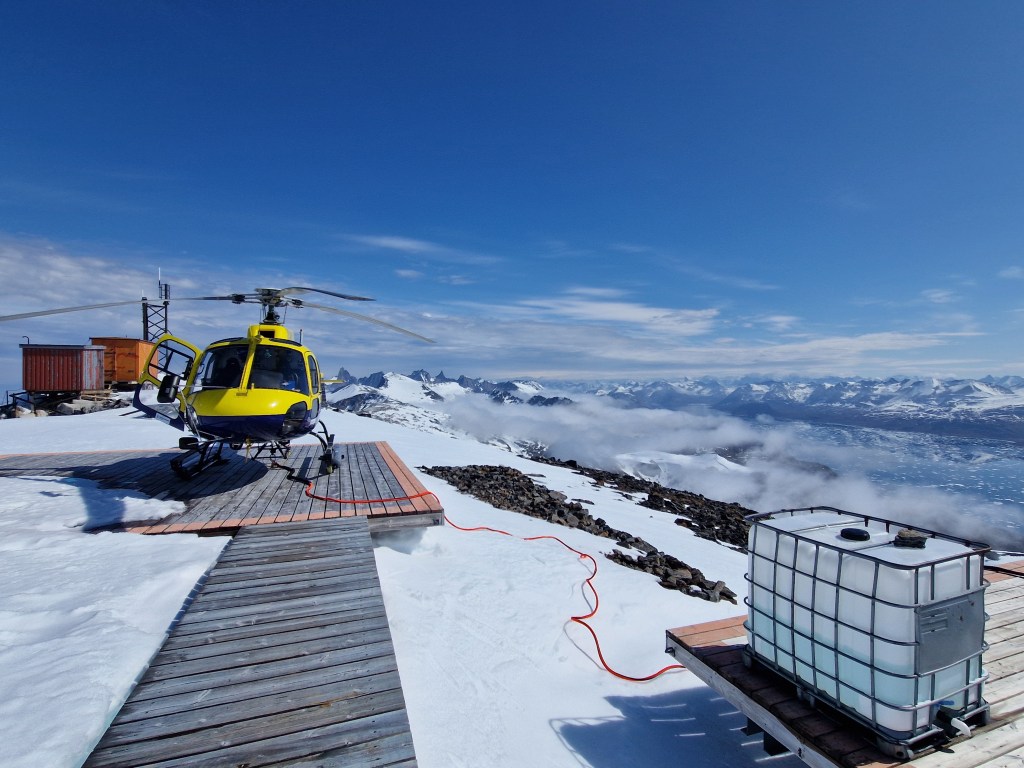
Outside of camp work, it’s living in different apartments, houses, or sometimes hotels. “You never really know where you’ll be working until you arrive, and things change fast. The days I enjoy the most are sling days where everything just lines up and works together with the weather. Shower, food, sleep, and repeat. Those days when you are truly just living in the moment – the outside world isn’t a concern; it’s just here and now.”
Like many others in the aviation industry, Tina has noticed the ‘I had a hard time getting into it, so I will have the same for others’ attitude, instead of a culture of helping, motivating, supporting, and making each other better and safer. And though she didn’t feel much focus on it during her studies or early in her career, even before the last couple of years, as the first female pilot ever hired in Sermeq and the only female helicopter pilot currently flying in Greenland, Tina does feel a little more conspicuous than before.
“I wish we would soon reach the point where women are seen as pilots, co-workers, and skilled craftsmen, rather than as ‘female pilots’ or ‘women in aviation.’ We have earned our place not through favors but through hard work, our expertise, and perseverance. There are still men who carry outdated views and try to undermine or question women’s capabilities. That kind of negativity has no place in a modern, forward-thinking industry. We’re here, we’re qualified, and we’re not going anywhere.”
In the future, Tina would love to see more opportunities for new talent to enter the industry. “Mentorship, accessible training, and broader outreach can help us bring in a more diverse next generation of pilots, engineers, and aviation professionals. This industry is so large, yet so small – especially now with social media – and the possibility to connect is almost endless.”
Her private goals are modest: simply to keep learning and improving as a pilot. “In the future, I would like to use my skills for good, like air ambulance or SAR. But I learned many years ago that this industry keeps changing and surprising, so I expect my plans to change and evolve as well!
Originally published in HeliOps Magazine Issue 160

