
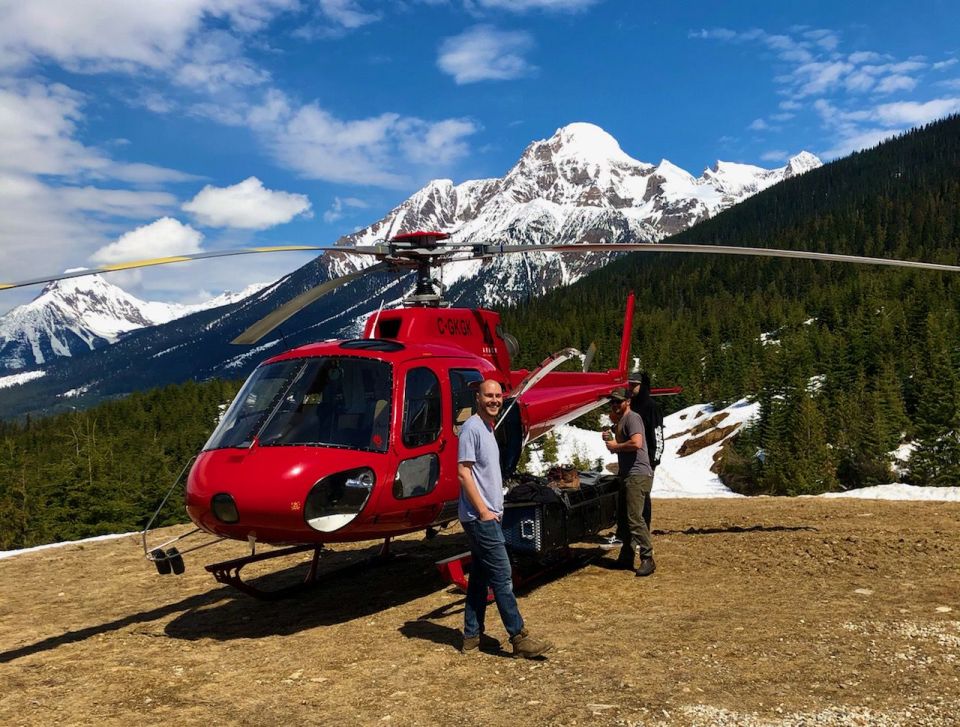
Chris Groves got into aviation from a young age.
“My parents would always take me to air shows in the Toronto area where I grew up as a kid, and I loved watching the different types of planes and helicopters.” They also travelled a lot, and several times Chris got to visit the cockpit of the various airliners they were on during flight. Imagine being allowed to do that today – what a buzz!
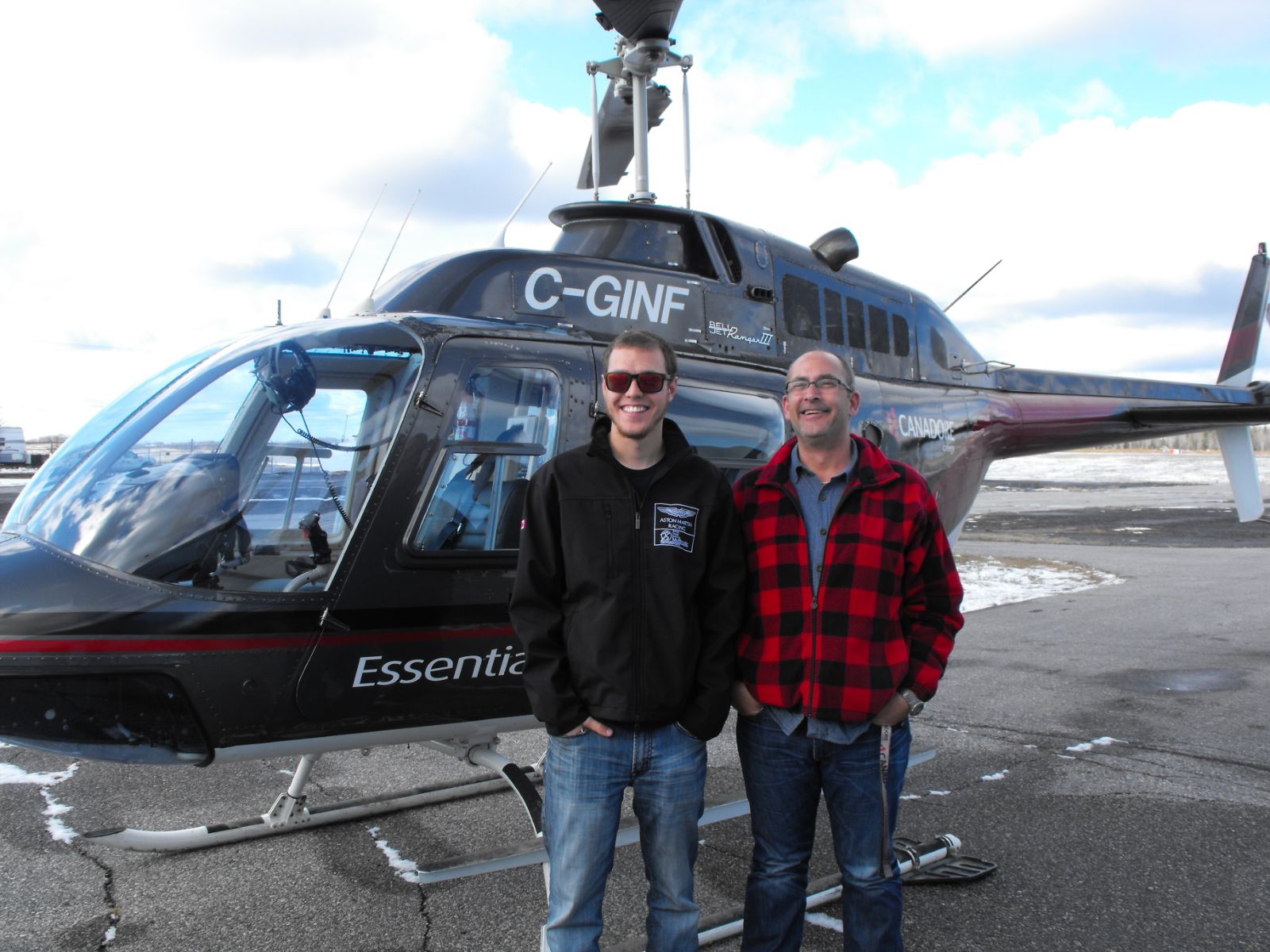
But helicopters weren’t really on his radar until he went to college to be an AME right after high school. Here, he became intrigued by the mechanics of flight and commenced flight training at Essential Helicopters (now Helicopters Canada) in North Bay, Ontario, in 2013. That flight school partnered with Canador College, so at the end of the two-semester program, Chris received a diploma and a Commercial licence.
“It was a good pace for learning the basics of flying and an understanding of how the Canadian commercial helicopter industry works. I completed the majority of my 100 hours on the R22 and added a 206 endorsement at the end of the course.” Chris’s parents had set aside money for education, so that covered about half the cost of the course; for the other half, he got a private student loan. At the time, there weren’t many grants or scholarships available on the heli side in Ontario, as most heli flight schools were privately run and did not qualify for most government funding.
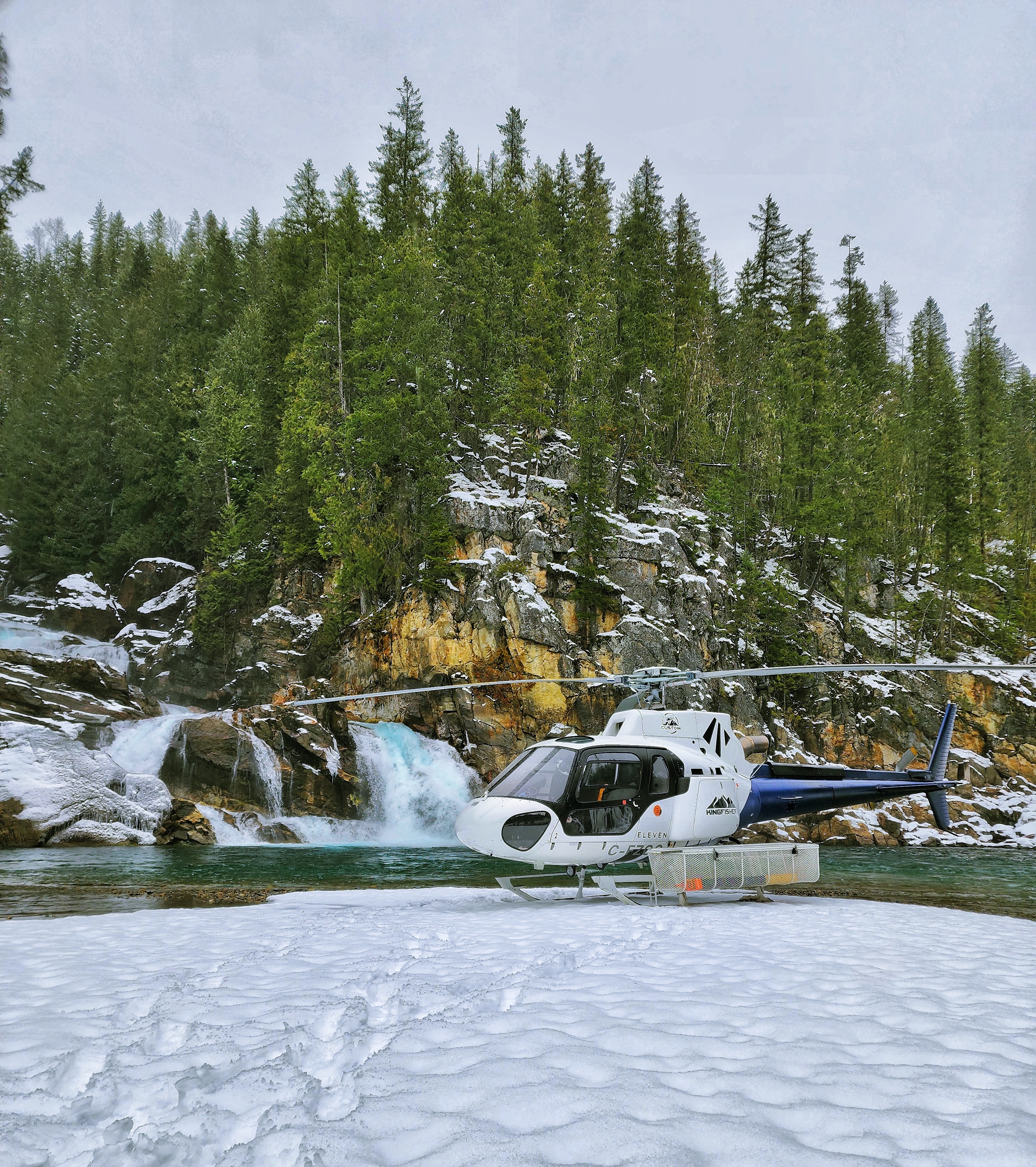
2014 marked a slight slump in the industry. Not many companies were hiring low-time pilots, or if they were, the expectation was that you would spend two to four years on the ground before you got a full-time flying job. Chris scored his first job out of flight school with Alpine Helicopters in Canmore, AB. It started as a seasonal ground crew position, but after two summers on the ground, he was fortunate enough to be promoted into a flying position doing sightseeing flights in the Longranger. “It was an incredible start to my career. Flying in the Rocky Mountains of Alberta is one of the most challenging environments in the world, and building those mountain flying skills right off the bat gave me an excellent foundation of skills.”
“I also had an amazing mentor from flight school, my instructor Jim Armstrong. Jim became a very close friend and mentor, providing invaluable support and friendship as I tried to get my foot in the door of the industry. I can confidently say that I wouldn’t be the person or the pilot I am today without Jim’s support.” Tragically, Jim died in a heli crash in 2018, leaving a massive hole in the hearts and lives of everyone who knew him. “His smile and laugh would light up a room, and when you were out flying, you would immediately know Jim was in the air: his telltale announcer’s tone dancing over the radio. Even all these years later, I can still hear his voice in my head on particularly challenging flying days – especially doing any sort of precision long line work. It’s a funny snippet he’d pull out when I was initially learning to hover: “You know, the helicopter wouldn’t move around so much if you just stopped moving your damn right hand!!”
So far, Chris’s career has been pretty varied. “I’ve been lucky enough to fly mainly in the mountains of western Canada, but in the last two years, I’ve also gotten to fly in the high Arctic and the East Coast.” After leaving Alpine at the end of 2018, he obtained an Astar endorsement and worked for several companies across Canada, mainly out of Terrace and Prince Rupert, BC. “Flying on the West Coast was especially amazing, although the coastal weather was pretty challenging at times.”
As the world began to return to normal post-COVID, Chris landed a job at a small company in Revelstoke, BC, called Arrow Helicopters. It was there that he really built his mountain-flying skills in the Astar (B2 and B3) under the guidance of a highly experienced team of pilots. He was introduced to heli skiing and heli biking, and worked on fires in the summer.
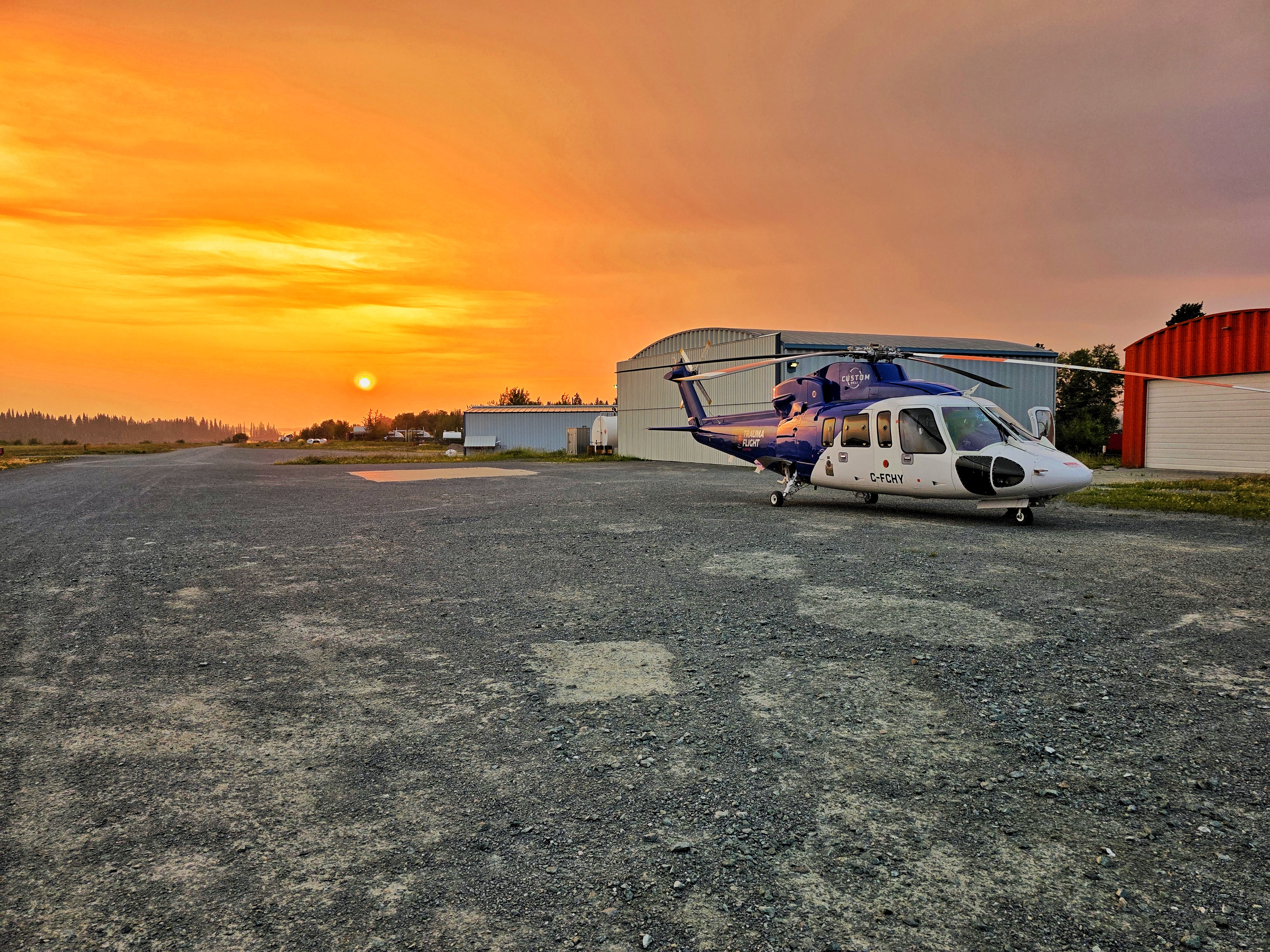
After several years there, Chris embraced change and took a position at Custom Helicopters in Manitoba. “Initially, I stayed on their VFR side, flying the Astar and 407, doing a wide variety of work from heli skiing to mineral exploration support in the Arctic and Labrador.” But last year, he was given the opportunity to get his IFR endorsement and switched over to the Trauma Flight division.
Today, Chris is an FO on the S76, doing HEMS in northern Manitoba and Newfoundland and Labrador. “I am on a pretty fixed schedule with Trauma Flight: two weeks on, two weeks off – though there are plenty of opportunities for overtime if you want. It’s such a welcome change after the mixed schedules typical of VFR work. Generally, we do one week of day shift and one week of night shift, though there is some flexibility depending on crew availability.”
The typical workday generally involves a lot of hurry-up-and-wait. “We are on call 24/7, so it is pretty relaxed – until the call comes in. Then there’s a flurry of action as you flight-plan, push the helicopter out of the hangar, and launch on the call. There is more waiting while the medics attend to the patient.
Easily the coolest part of this new job has been learning to fly on NVGs and building night-flying experience. “I’m still getting used to the S76; certainly one of the weirdest parts has been learning how to ground taxi on the wheels. It feels wrong in a helicopter to taxi around like a plane!”
“My favourite aircraft is certainly still the Astar, especially the B3. Such a fun aircraft to fly, with so much power available and extremely versatile for all sorts of work.”
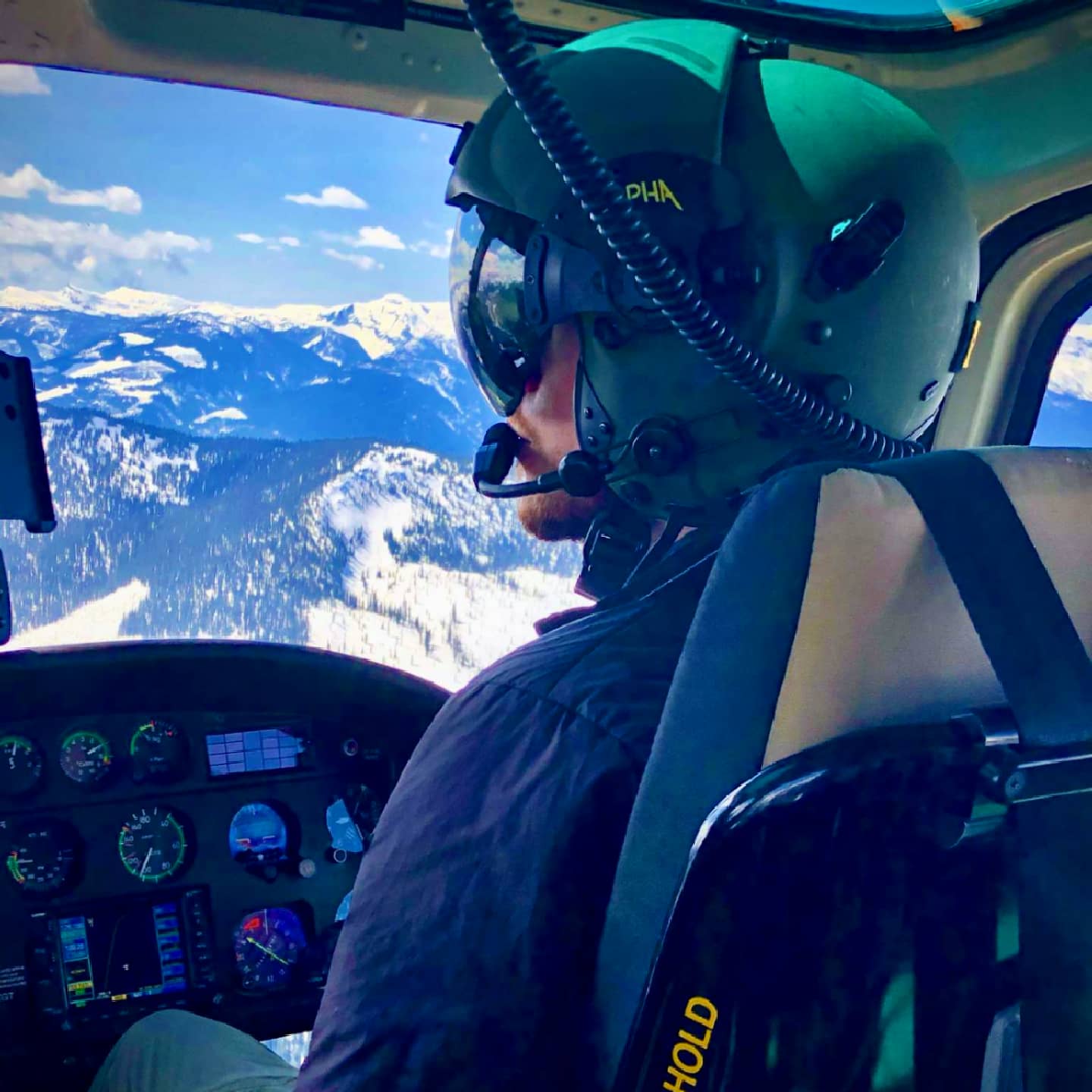
When he’s home in Canmore, AB, Chris prefers to be outside, hiking or climbing. “I also love working on cars, so I’ll either be wrenching on my personal vehicle or helping friends with repairs on theirs. My partner and I also love road-tripping into the mountains and going camping; getting out into nature is big for both of us.”
Chris is passionate about driving change in the industry and feels it is crucial to push for greater equity and inclusion across the board, as well as reform of the aviation medical system. “The heli industry has been an old-boys’-club for so long. Underpinnings of misogyny and machismo not only result in an unsafe flying culture but can also keep women and people of color from getting into the industry, or being able to progress into management positions where they can effect real change.”
“Of course, that same old boys’ mindset also directly shapes the regulations. When it comes to mental health, especially, it feels impossible for pilots to seek out real and meaningful support that would actually make the industry safer overall. Pilots need access to these services without fear of losing their medicals and being unable to fly.”
“Aviation is one of those industries where the highs and lows are super exaggerated. You can go from hero to zero in the blink of an eye; all it takes is one small mistake or slip-up.” Chris feels lucky to have had mostly highs in his career so far. “The views you get, the places you land, and the people you meet along the way are phenomenal.” His rock-bottom moments have been relatively minor, by incident standards. “They’ve also been the best learning experiences, leaving me with a clearer picture of how I want to shape my career and conduct myself.”
In the future, Chris plans to keep pushing for change in the industry, moving away from the old models making advancement difficult. “I feel like this will also help to address the rampant staff shortages affecting all aspects of the industry, from pilots to engineers. Hopefully, as the boomers retire and younger generations move into management positions, we will slowly see a shift in culture toward more progressive, inclusive mindsets.”
Originally published in HeliOps Magazine Issue 159

