
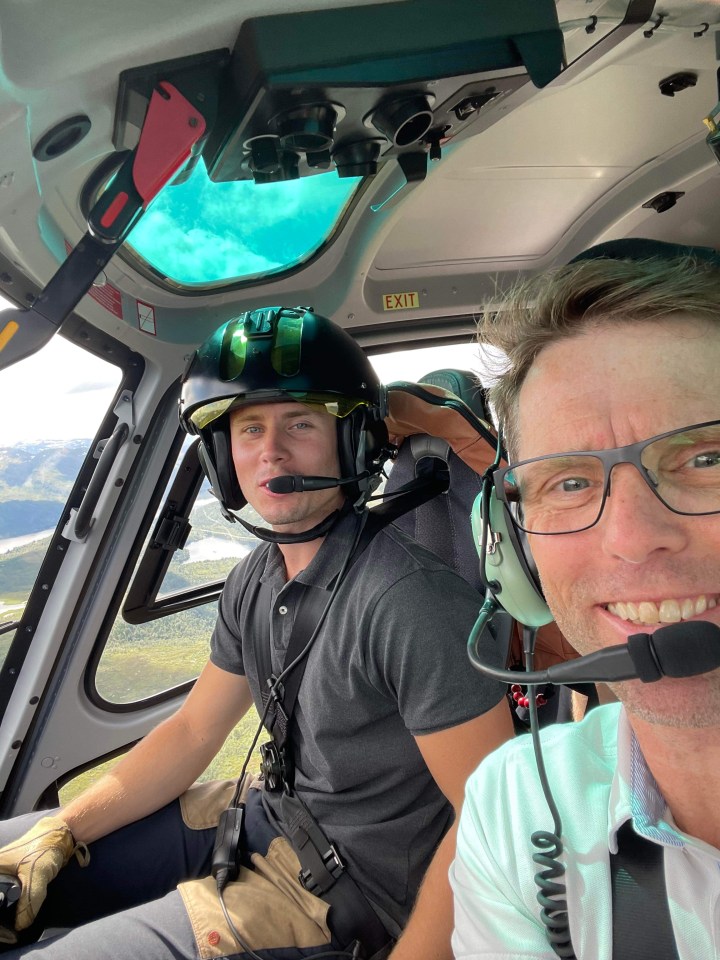
Growing up in Norway, a small Sondre Senderud would gaze up at the sky, full of admiration for his uncle, who flew both seaplanes and helicopters. “He used to wave the wings of his seaplane as he passed over our house on the way to and from the fjords with passengers. That was a big part of what lit the spark for me.”
But there’s a sad side to that story. “My uncle later died in a helicopter crash, and because of that, flying wasn’t something we talked much about at home.” Still, the idea of becoming a pilot never really left him, until eventually, he couldn’t hold it in any longer.
“I remember going to my mother to tell her something I thought would be hard for her to hear. She asked if I was going to be a father. “No.” Was I going to study nursing? “No.” Then I finally told her: I wanted to go to school to become a helicopter pilot. It wasn’t an easy conversation, but once I said it out loud, there was no turning back.”
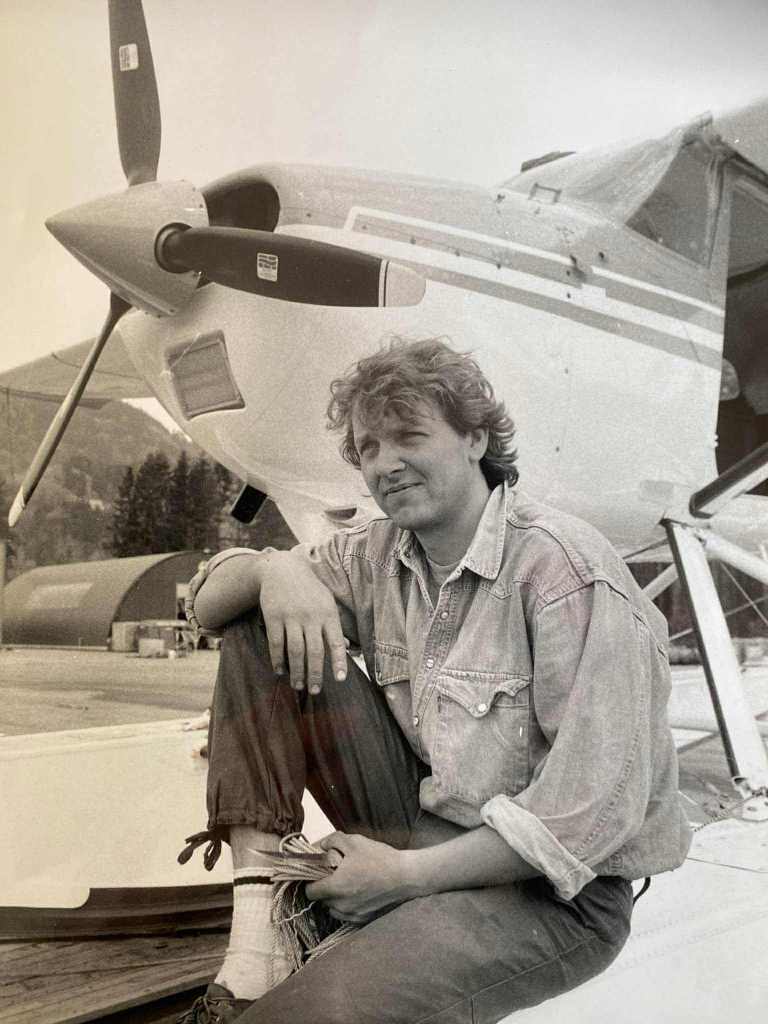
Sondre didn’t head straight into aviation. “I first trained as a mechanic and worked on tractors and snowmobiles. The workshop where I had my job was right in the flight path of my local airport. While I was wrenching on engines, I’d hear the sound of helicopters overhead, heading out on missions or returning home. Every time I stopped and looked up, it hit me the same way – That’s where I want to be. Not standing on the ground fixing machines, but in the cockpit, flying them.“
“Once I’d made up my mind, I knew I had to give it a shot. I started my training at the European Helicopter Center at Torp in Sandefjord. Most of my first hours were in the Robinson R22, and I’ll never forget the mix of nerves and excitement sitting in the cockpit for the first time with my hands on the controls.”
“We’re fortunate in Norway to have a government student loan system that helps cover a big part of the cost of flight training. Without that, I don’t think I could have made it happen.” But even with that support, it was still a significant financial stretch.” There were plenty of extra costs that had to come out of my own pocket, and every penny went straight back into making sure I could keep flying until I held a CPL in my hand.”
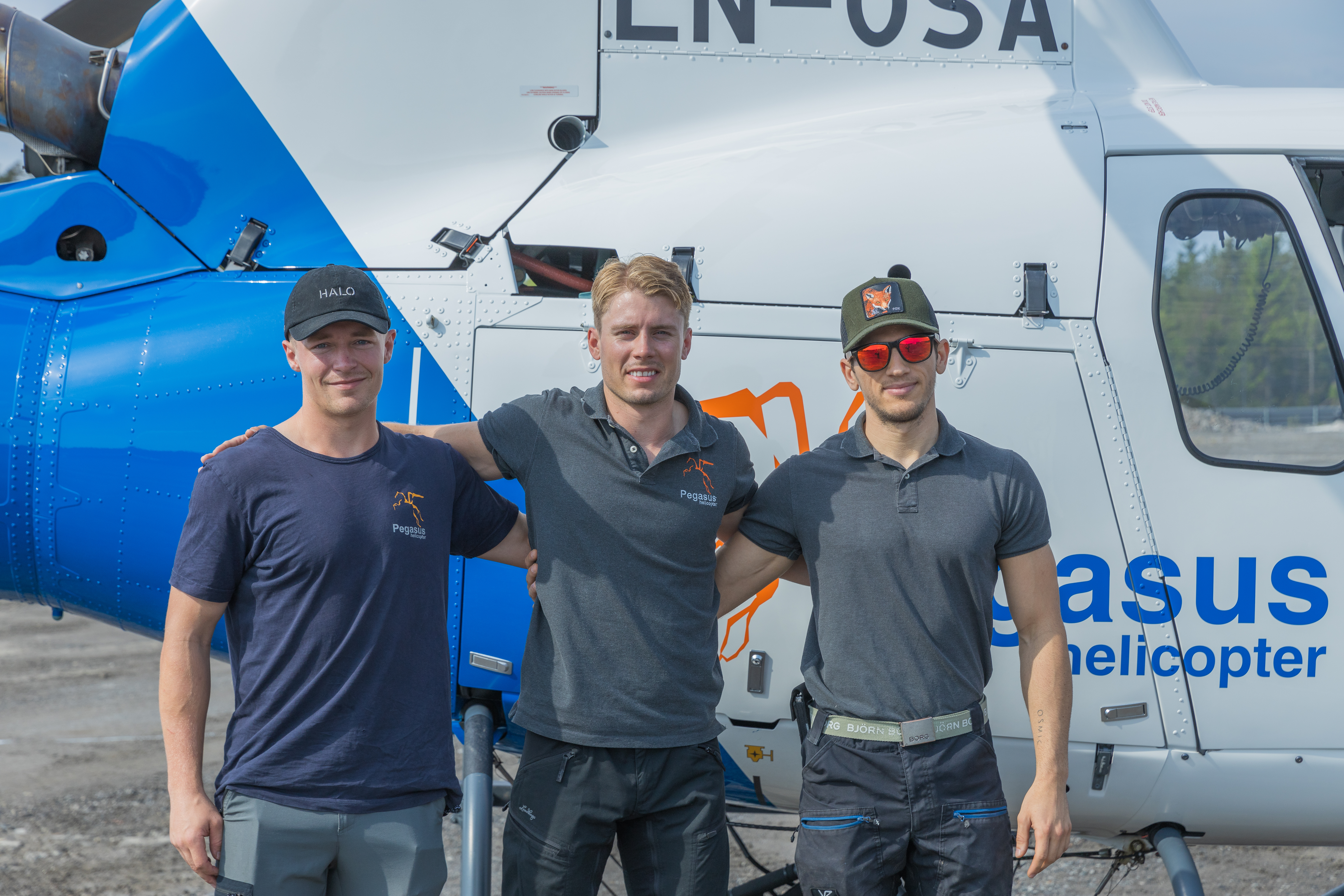
It also wasn’t just the flying – the theory exams demanded a lot of work and discipline. At one point, Sondre found it so difficult to focus that he saw the only solution was to lock his phone in the mailbox for the duration of his study sessions. A tough grind for so many, Sondre agrees that, in the end, it made passing feel even more rewarding.
Then the real challenge began – getting a job in the industry. “There’s a reason people call the CPL a ‘license to learn,'” Sondre says. “For a low-hour pilot in Norway, there are usually two main ways in: either take the Flight Instructor route and hope for a position, or start on the ground as a loadmaster with an inland operator.”
“Since bush flying and sling work had always been my dream, the choice was easy. Sometimes you have to create your own luck. One of the operators was right beside the school, and instead of just watching from a distance, I asked the base manager for a coffee and a chat. I hoped it might lead somewhere, though I never expected much. Not long after, they needed a new loadmaster – and that one coffee ended up being the start of my career.”
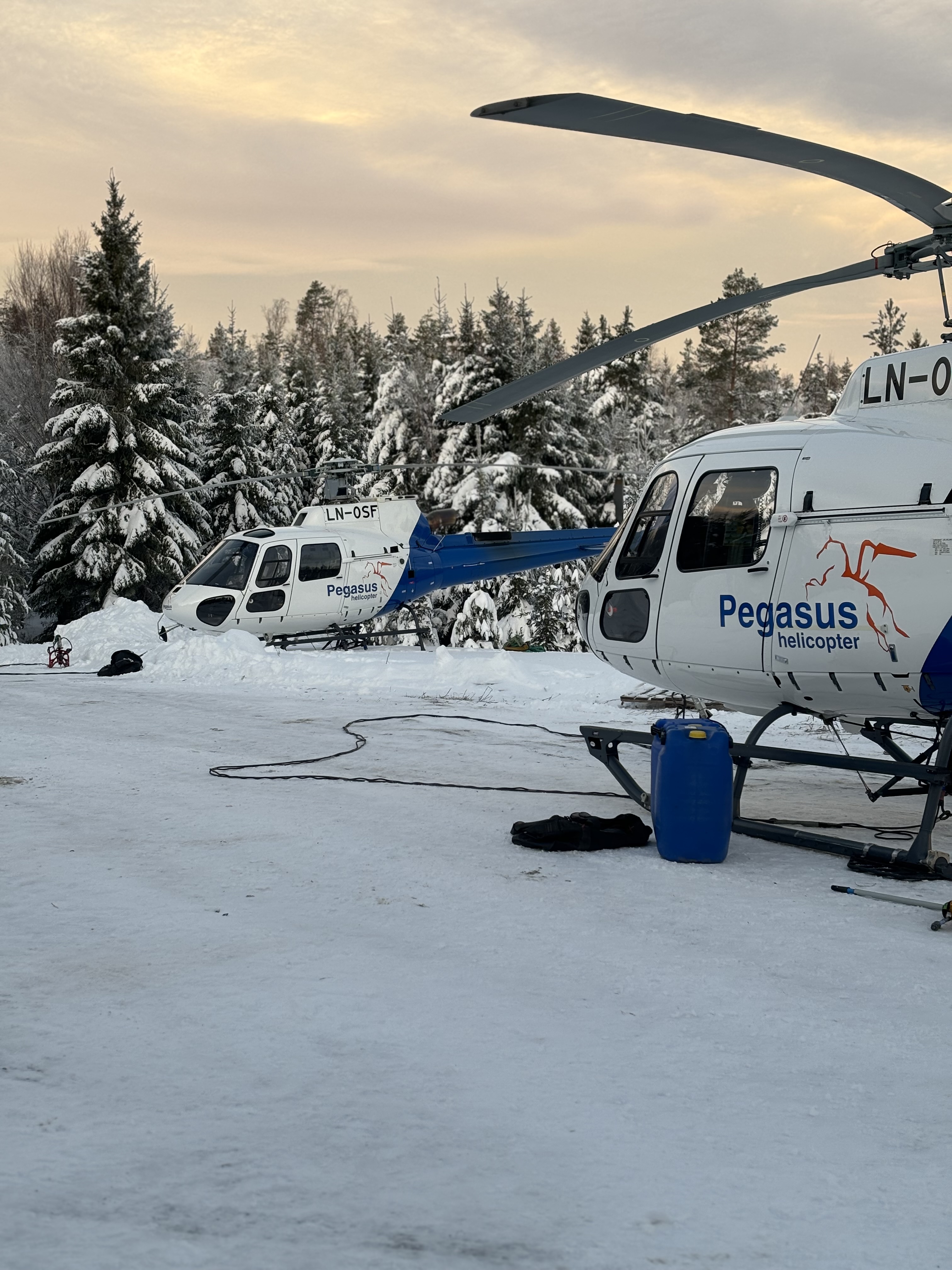
Sondre spent the first year solely as a loadmaster, loading and learning, before he finally got his type rating on the H125 and could begin logging a few hours here and there on ferry flights. Slowly but surely, the hours in his logbook began to grow.
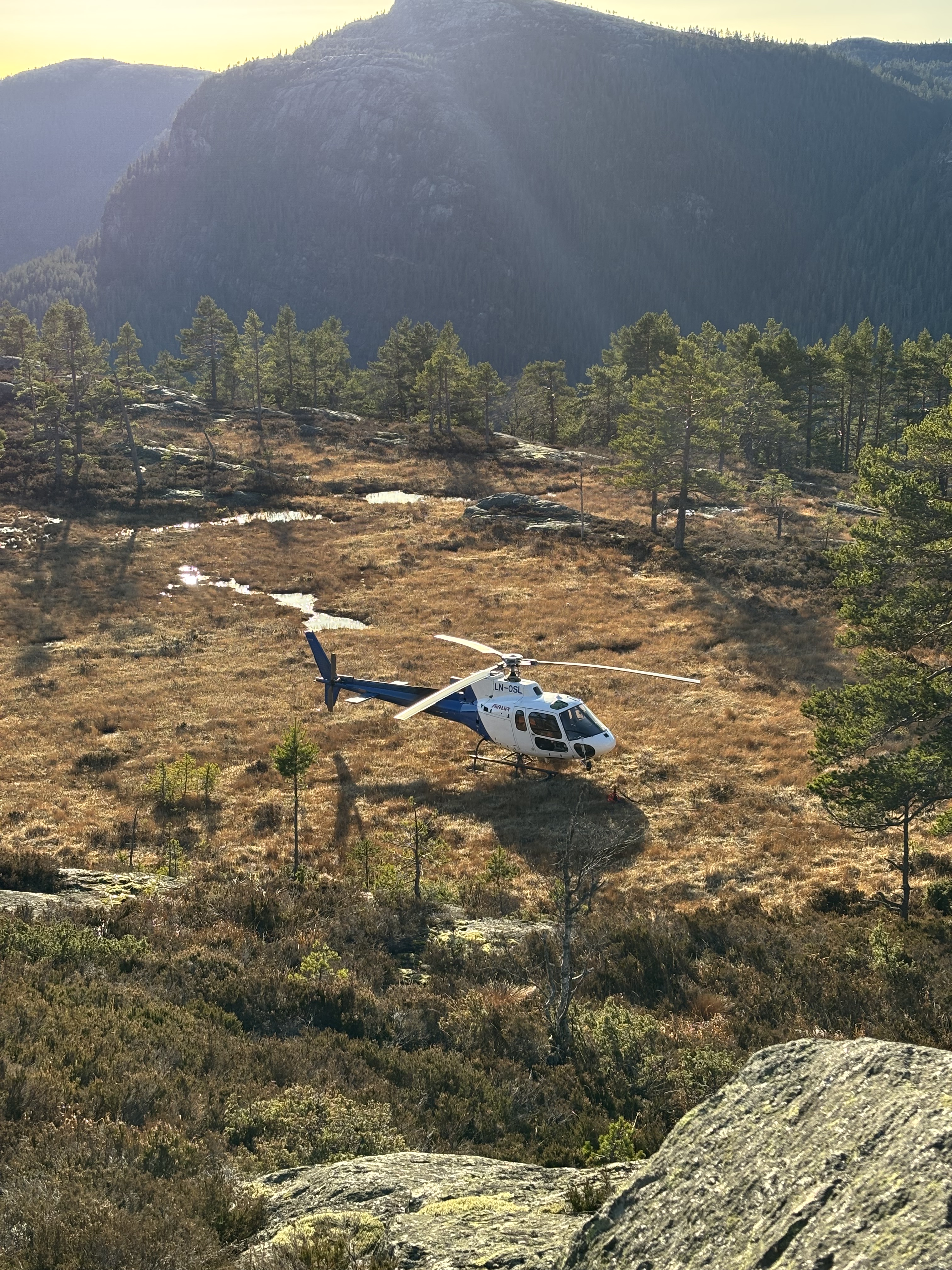
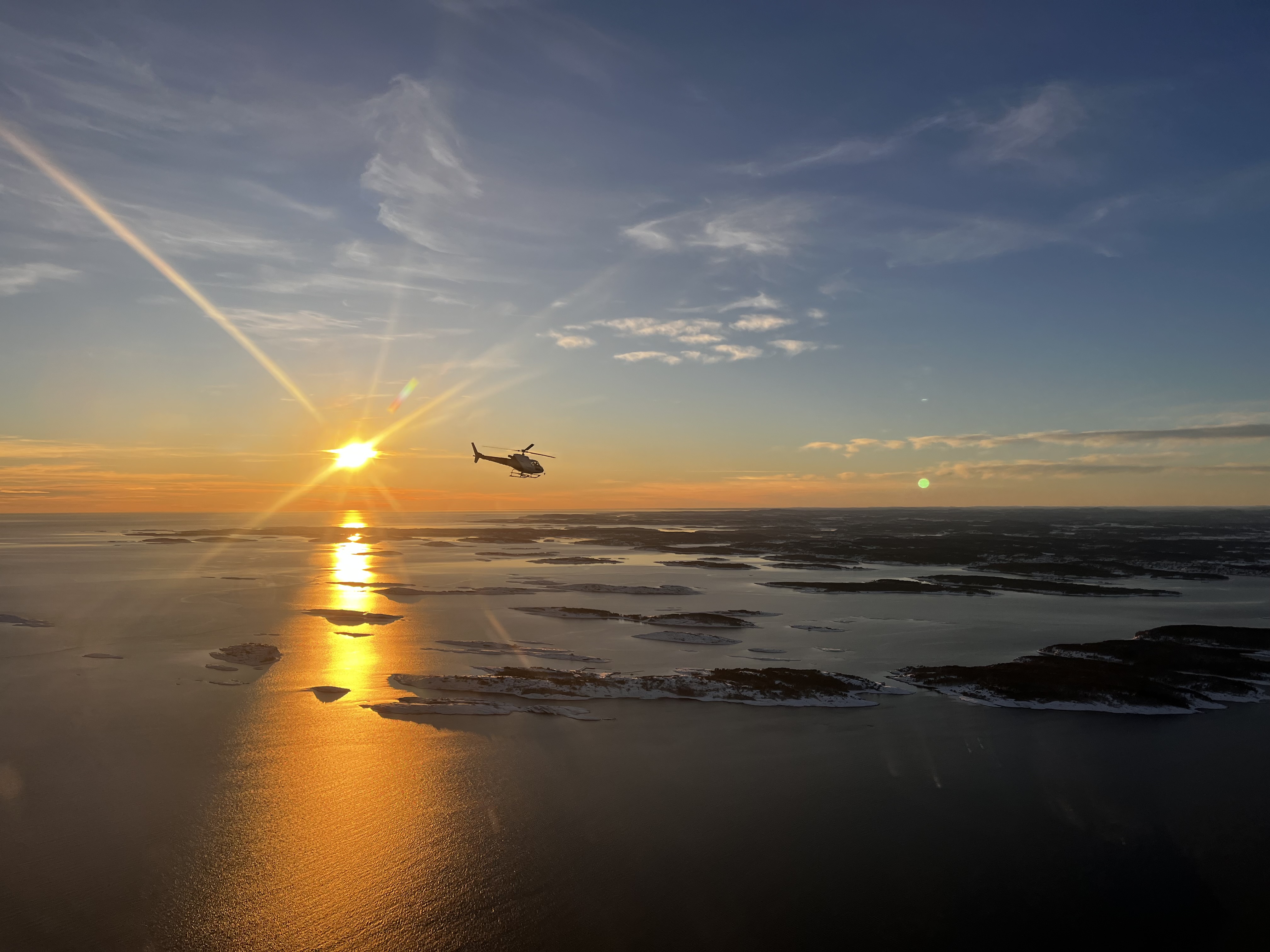
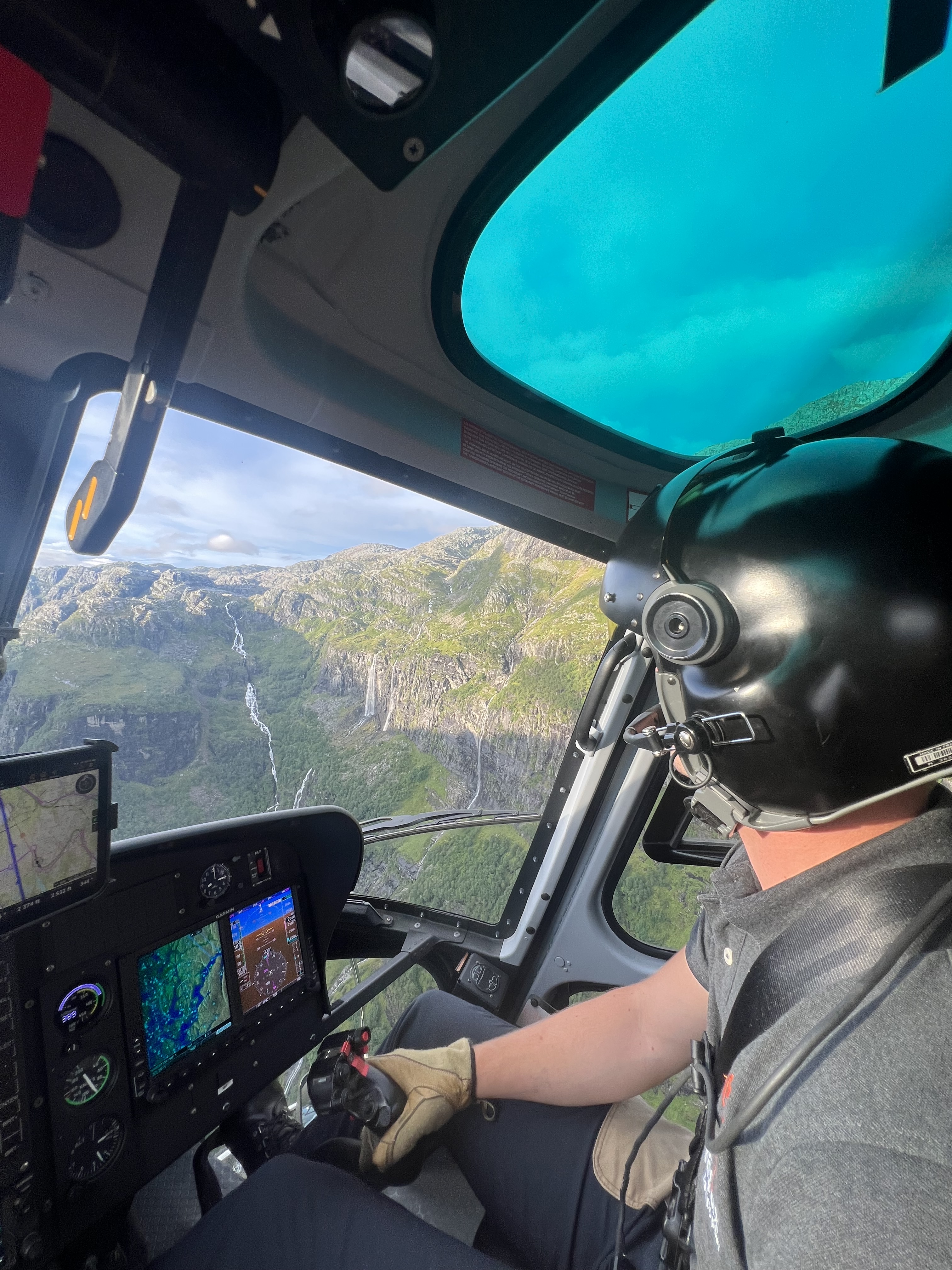
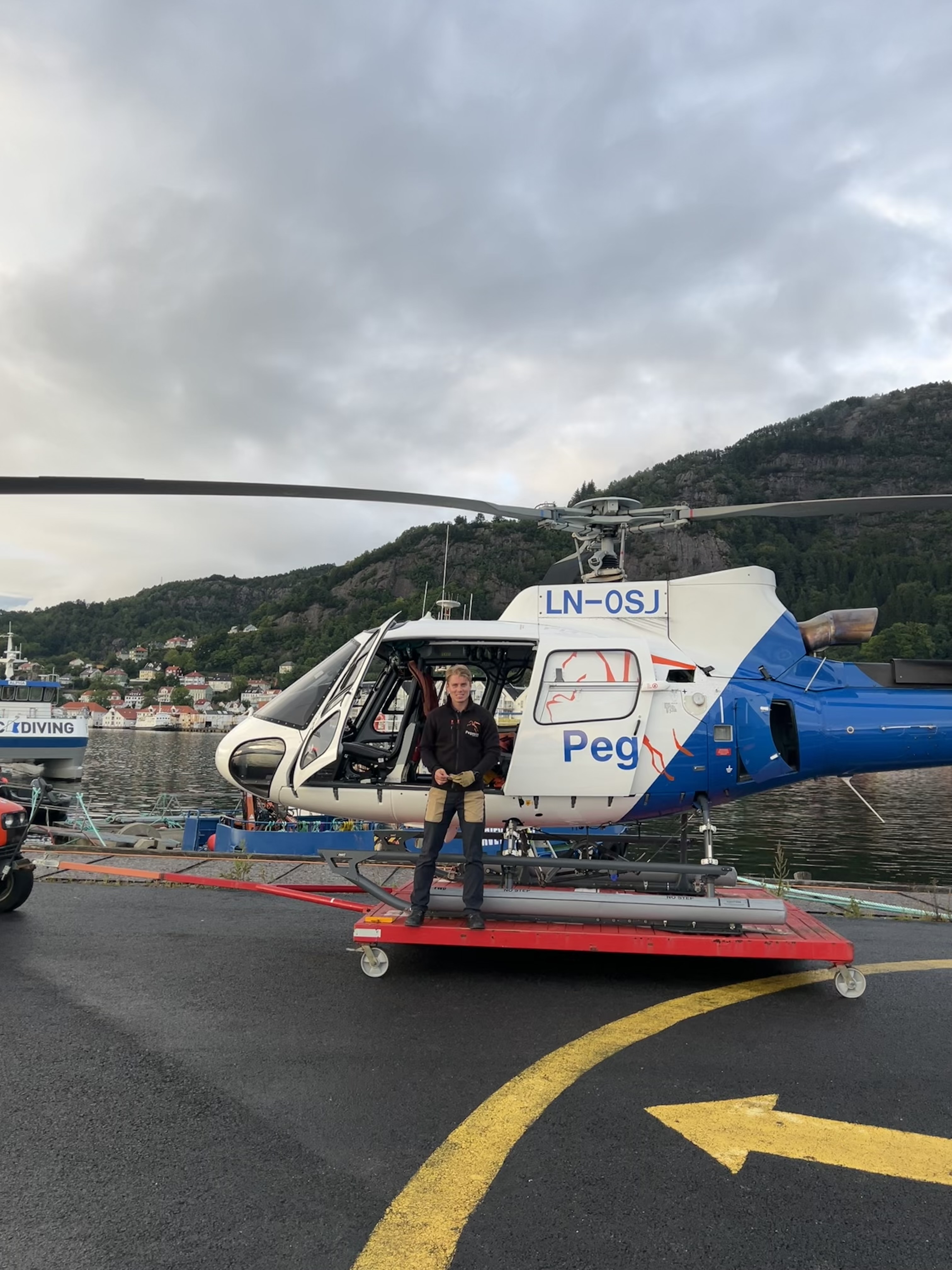
The real breakthrough came in the summer of 2023, when he was given responsibility for much of the flying out of a base in Bergen, on Norway’s west coast. “From there, I flew sightseeing trips through fjords, mountains, and glaciers – the very same landscapes I knew my uncle had flown over years earlier. Our base was right by the sea, at the exact spot he used to come and go with his seaplane, which made the whole experience feel even more meaningful. It was a busy summer with long days, but also a very rewarding one – both personally and in terms of flight hours.”
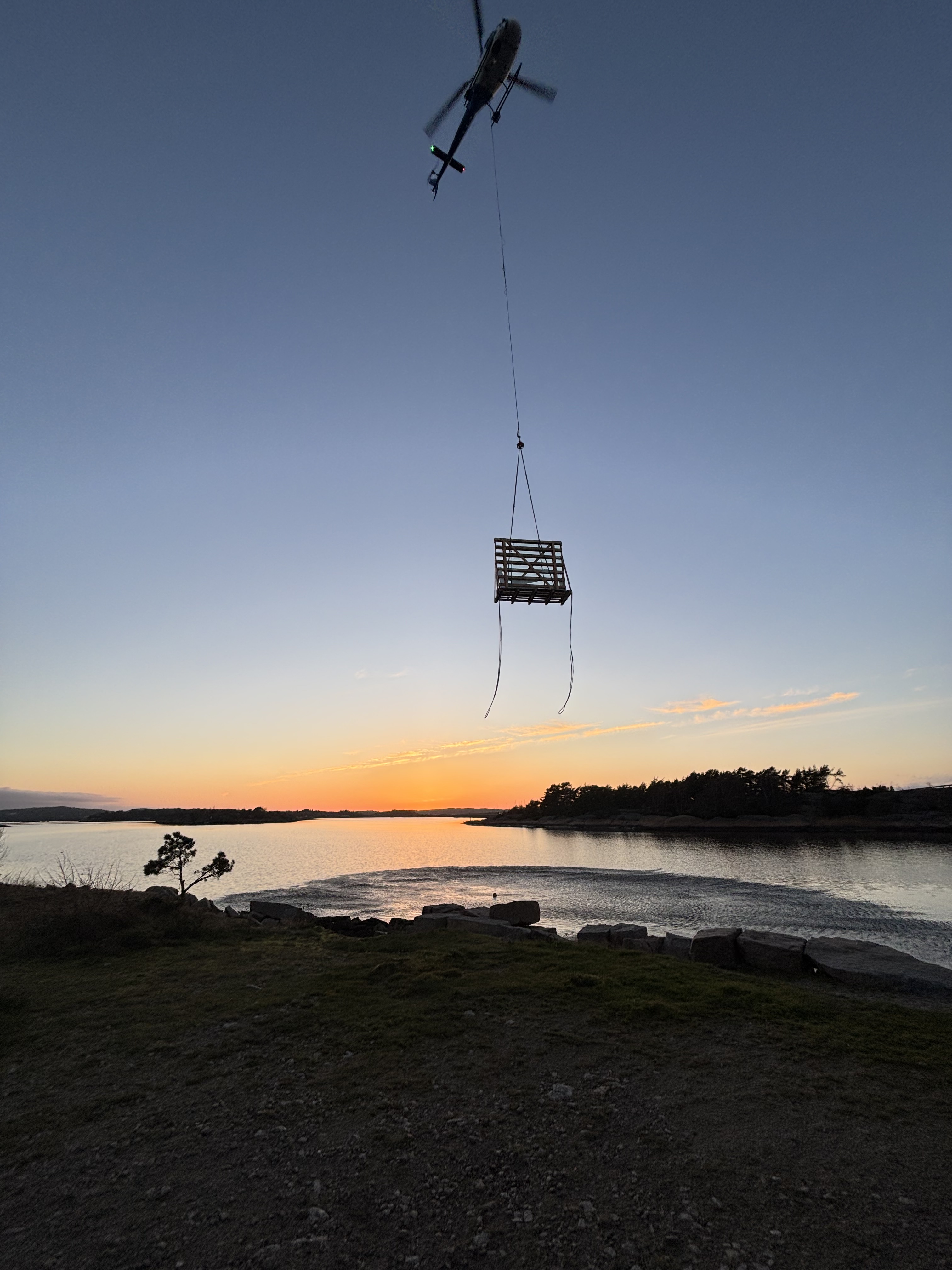
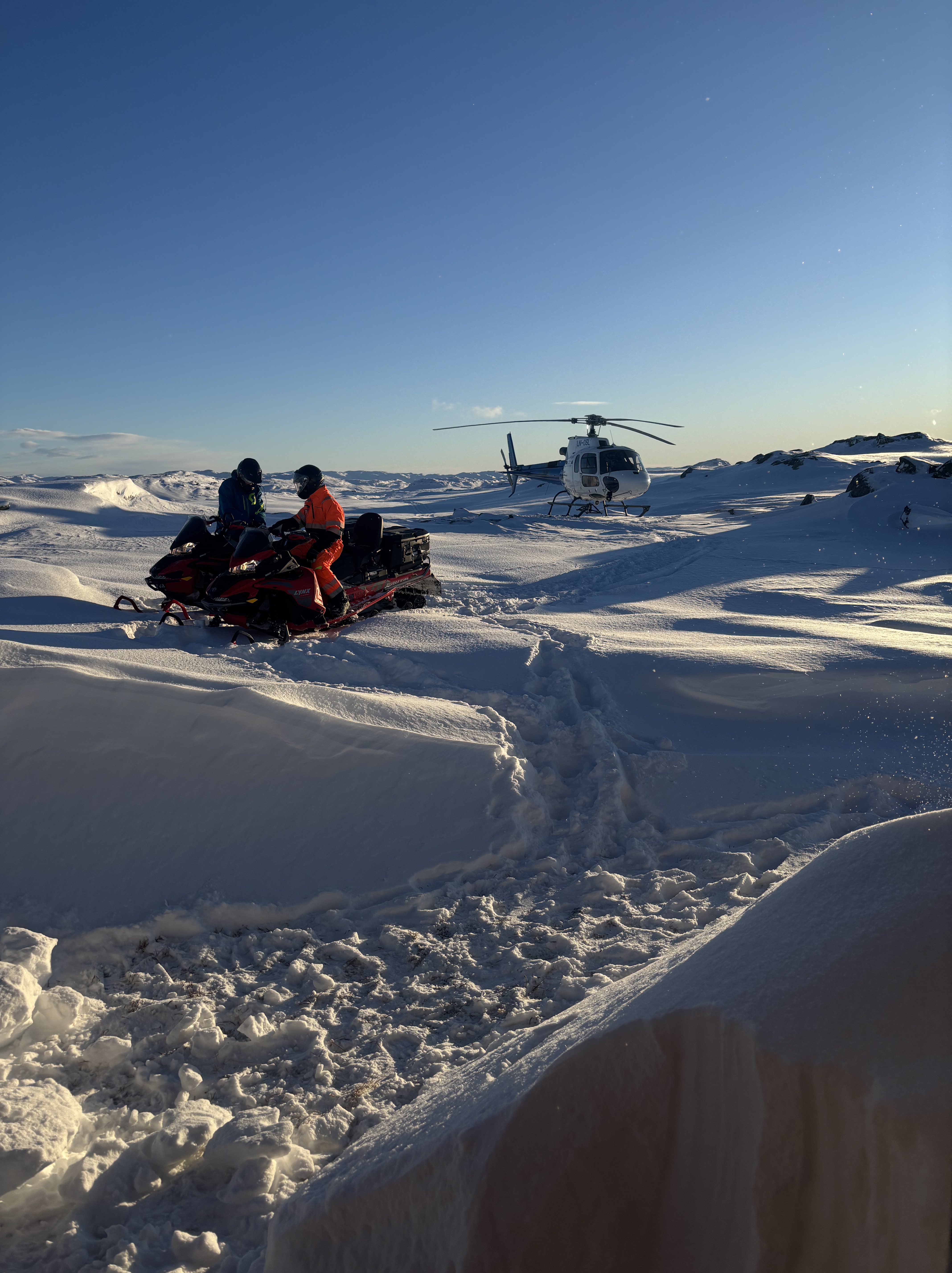
Since then, the flying has become more regular. Sondre has also been able to get into what was his main event, even before he started training – sling load operations. “These days, I’m flying sling on a daily basis. Some days I’m the loadmaster on the ground, hooking and guiding, and other days I’m in the cockpit flying the loads myself.”
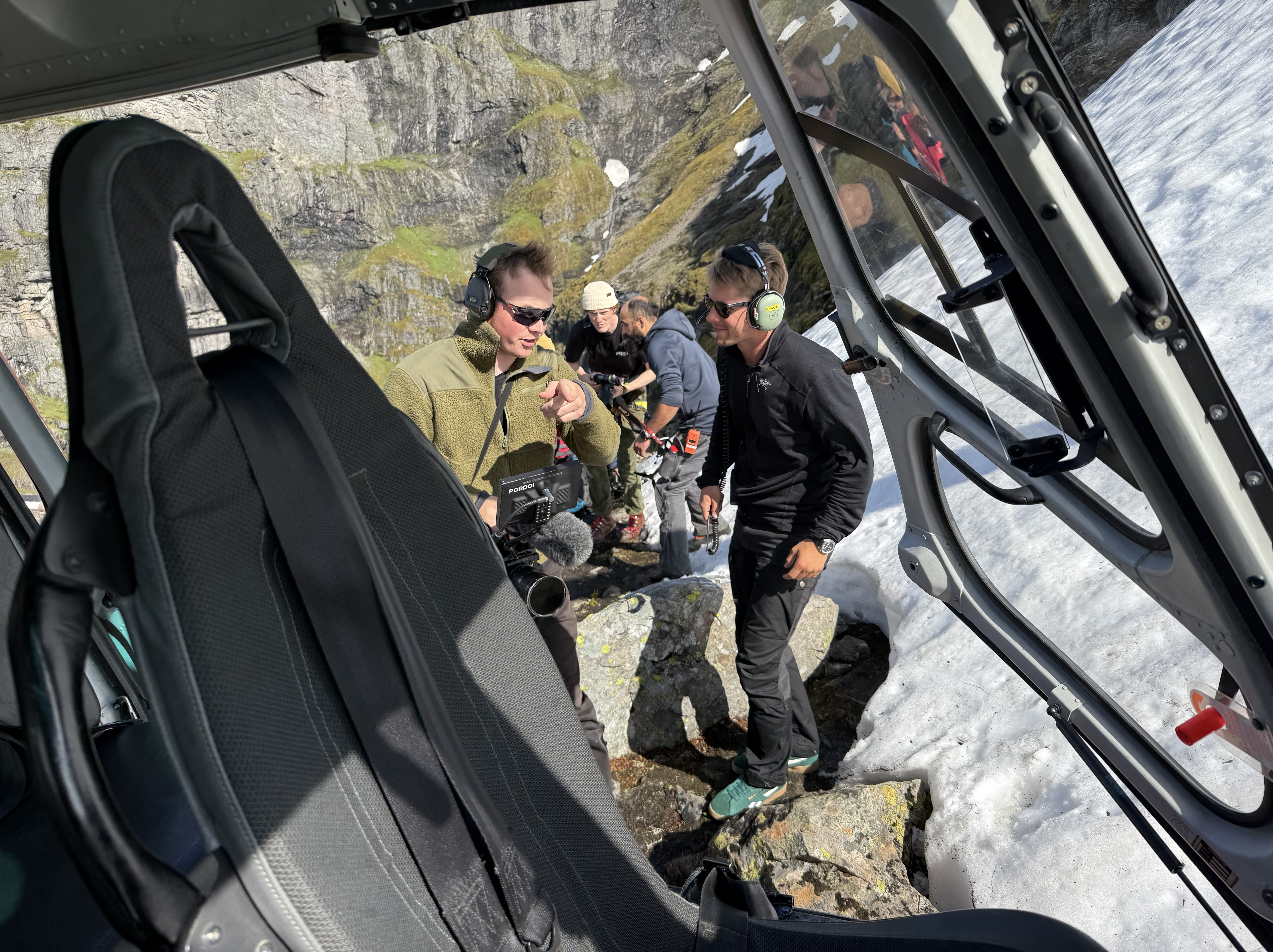
A typical day starts early, usually with checking the weather and going over the plan for the day while the first cup of coffee kicks in. From there, anything can happen – one day it’s flying building materials to a cabin along the coastline or on a mountaintop, the next it’s dropping skydivers, flying hunters to the mountains, or jobs for powerline and telecom companies. That variety is exactly what makes the work so rewarding for most people in the industry – no two days are ever the same.
“And sometimes there are unexpected ‘perks’ too,” Sondre grins. “On one sling job, flying building material out to a cabin, the downwash tipped over a grill at the neighboring cabin. It came away with a dent but still worked perfectly – so it ended up as a ‘new’ grill at home. Not exactly a standard benefit package, but one of those funny little side effects of working with rotor wash.”
Looking ahead, Sondre’s biggest hope is to keep building sling load experience and climbing the next steps in the HESLO ladder. “One day, I’d love to try mast assembly and stringing operations – constructing things like powerline masts – which right now feels like the ultimate challenge.”
“More than anything, I hope I can hold on to the spark that made me want to fly in the first place and, along the way, pass on some of what I’ve learned to others coming up behind me.”
Originally published in HeliOps Magazine Issue 161

