
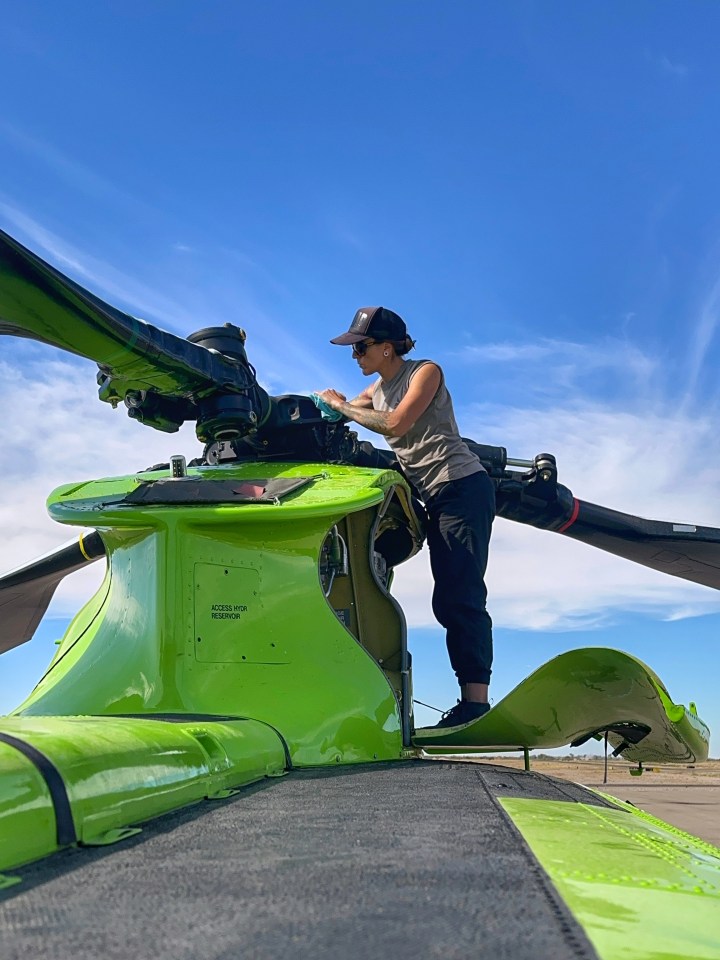
‘Too many hobbies, not enough time!’ is one of Mariah Dugan’s central ethos – though flying helicopters wasn’t one of them until a bit later in life.
In high school, Mariah instead became obsessed with snowboarding and wanted to be a professional snowboarder. Chasing that dream, she became a professional athlete, competing at this level for several years.
Mariah worked various jobs over the years to support the snow-bum lifestyle – one of them being a Sushi Chef. “I had a friend who made sushi in a ski town who randomly asked if I wanted to learn how to make sushi. I’m pretty sure he asked me as a joke initially; I didn’t even like sushi at the time, but I said yes.” She had no idea that decision would lead to a 10-year career in the restaurant industry.
“I actually really enjoyed it in the beginning, and it was the first time in my life that I started to have some sort of financial stability, but I was never truly passionate about it. If you’ve ever worked in a restaurant, then you probably know that the work environment can be pretty toxic. I grew tired and became less and less enthusiastic about making sushi. It got to the point where I resented the thought of going to work. I knew something had to change and that I needed to get out ASAP, so I started searching for my escape. Then, one day, when I was driving to work, I passed a fire on the side of the highway and saw a helicopter doing bucket drops.”
Mariah became fascinated by the idea of flying. “I was filled with curiosity and wondered what it would take to learn how to fly.” She began researching but was quickly overwhelmed and discouraged by the cost. “I didn’t really know where to start. Learning to fly just didn’t seem like a feasible option, so I practically wrote it off.”
“I thought my curiosity would eventually move on to the next thing, but it didn’t. I was fixated on the idea of flying for almost a year before I finally decided to schedule a demo flight with a local operator.”
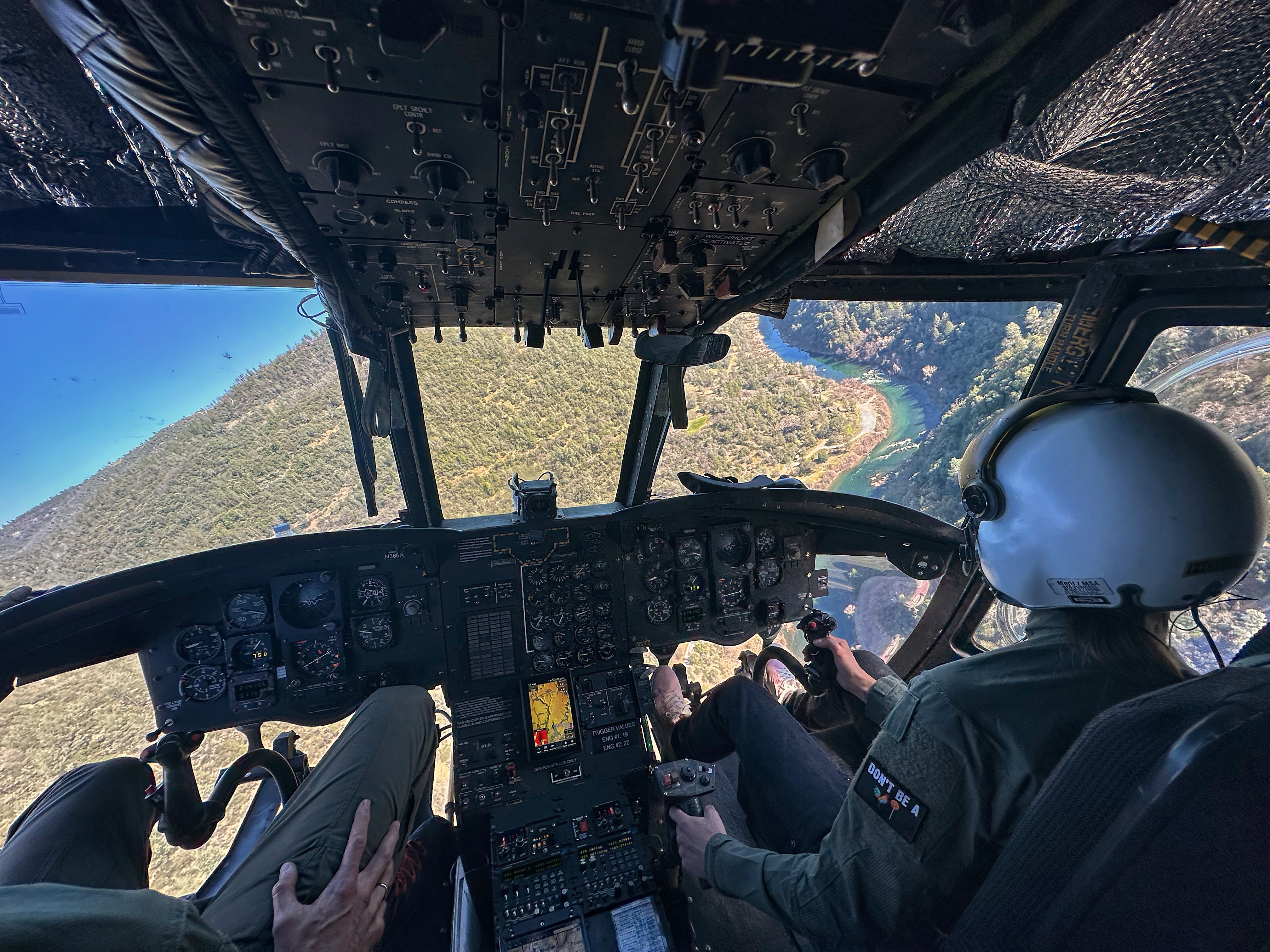
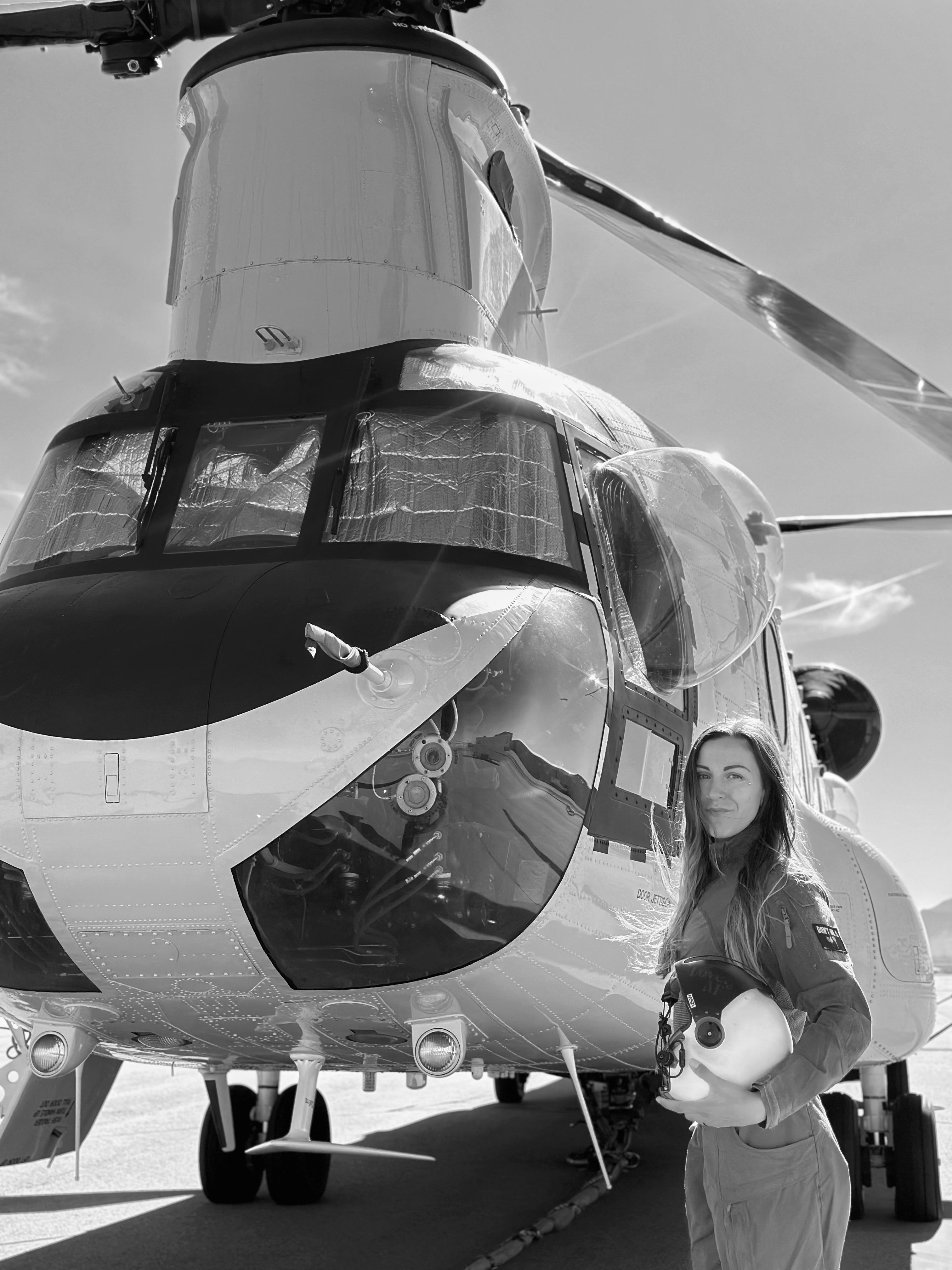
A first-generation pilot, Mariah had no prior knowledge or experience in aviation before attending flight school. “I didn’t really know any pilots, either, so I didn’t have anyone to ask for advice that could relate to what I was going through. Working a full-time job (that I hated) and going through flight training was, without question, the hardest thing that I’ve ever done.”
“Becoming a pilot has challenged me physically, mentally, and financially. I used money from a college education fund, which was set up for me after my father passed away, to pay for my PPL, but the rest of my flight training was self-funded. I became an egg donor to make some extra money and ended up being a six-time donor. Each time I went through the donation process, I had to take several weeks off of flight training due to the side effects of the fertility meds and to recover from the surgical procedure. My husband and I also refinanced our home to help cover the costs of flight training. This was enough to get me through my Instrument Rating and CPL, but it wasn’t going to cover my instructor ratings.”
Mariah applied for numerous scholarships through several different organizations, but never received any cash scholarships. “I did, however, receive the Airbus Inadvertent Instrument Meteorological Conditions Course and the Oregon Aero Crew Resource Management Instructor Course through the Whirly Girls organization, which were both incredible.” By this point, though, she was entirely out of funds and seriously considering taking out a personal loan.
Then, her luck changed. “Just as I was finishing up my CPL, I was approached and asked if I’d be interested in a SIC position doing fire and utility work in the CH-47 Chinook. Being a fresh commercial pilot right out of flight school without any real-world experience, I didn’t think I’d actually get hired, but I would have been crazy to say no.” She had a phone interview, followed by an in-person interview, and was subsequently offered the job. “I couldn’t believe it. How did I land my dream job right out of flight school?!”
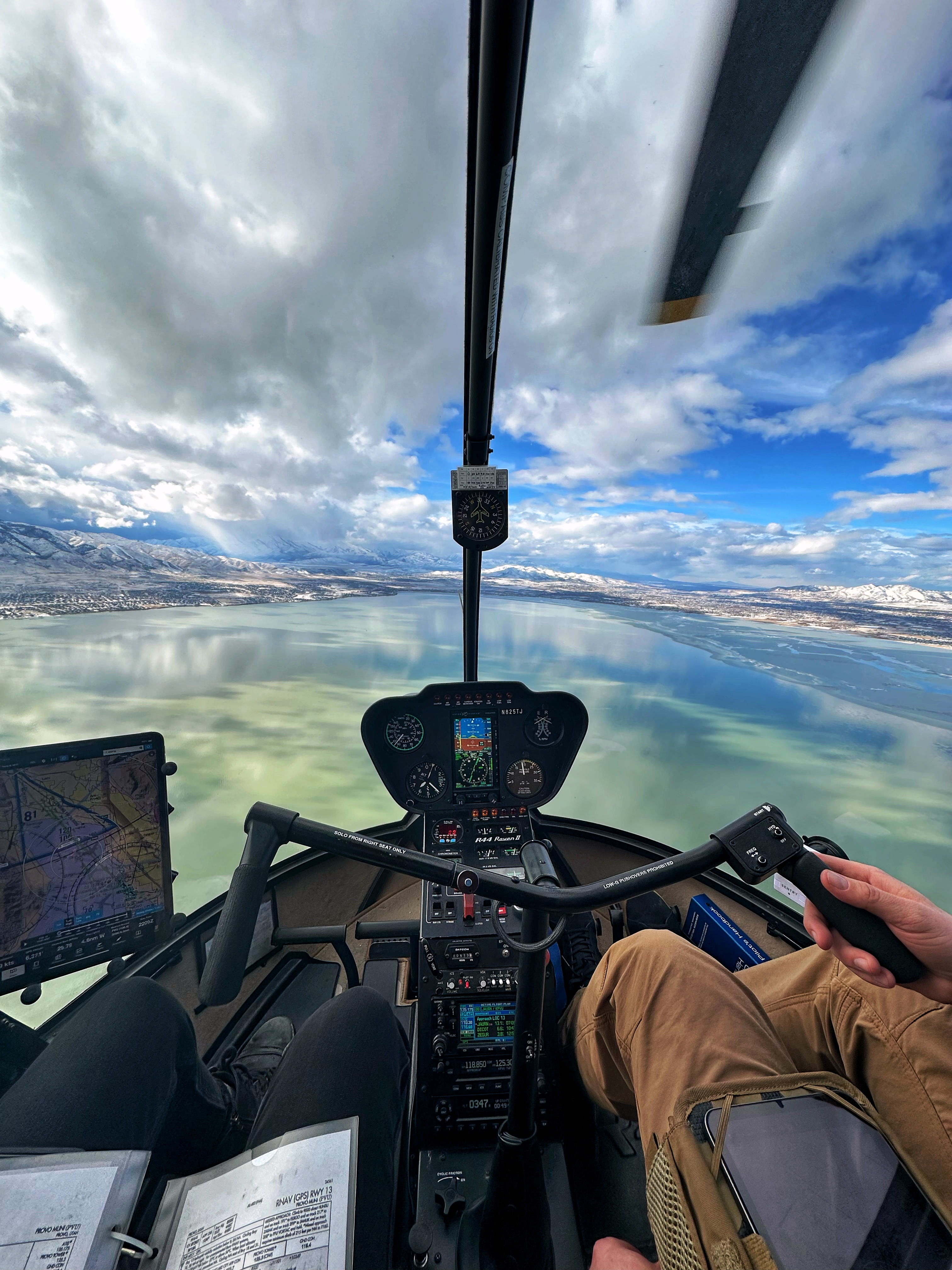
During Mariah’s first season as an SIC, she was able to save enough to pay for her CFI rating, and after her second season, she completed her CFII. In the grand scheme of things, it took just over four years to finish all of her helicopter ratings.
“Going from the Robinson R22 and R44 to the Chinook was pretty intimidating, to say the least. I went straight from simple to complex with nothing in between.” There was certainly a learning curve, but Mariah entered the job with an open mind and was eager to learn. “Having the opportunity to fly with and learn from skilled, experienced pilots and to get acquainted with fire from the right seat has been an invaluable learning experience. Flying fire is extremely rewarding, and I absolutely love the dynamic work environment. Every mission has the same objective, to some extent, but each mission presents different variables that pose new challenges.”
The job doesn’t come without sacrifice, though. “I work a 12/6 schedule and am hardly home from April through September – sometimes even later, depending on the season. Inevitably, I miss a lot of events and get-togethers with friends and family, which can put a strain on home life.” Mariah works up to a 14-hour duty day, with eight of those hours spent flying. “The majority of the time, we are working in hot, dry climates where it’s practically impossible to escape the heat, and we don’t always have good accommodations or amenities. Some days are better than others, and it’s not always easy, but I’m still grateful every single day that I get to call this my job.”
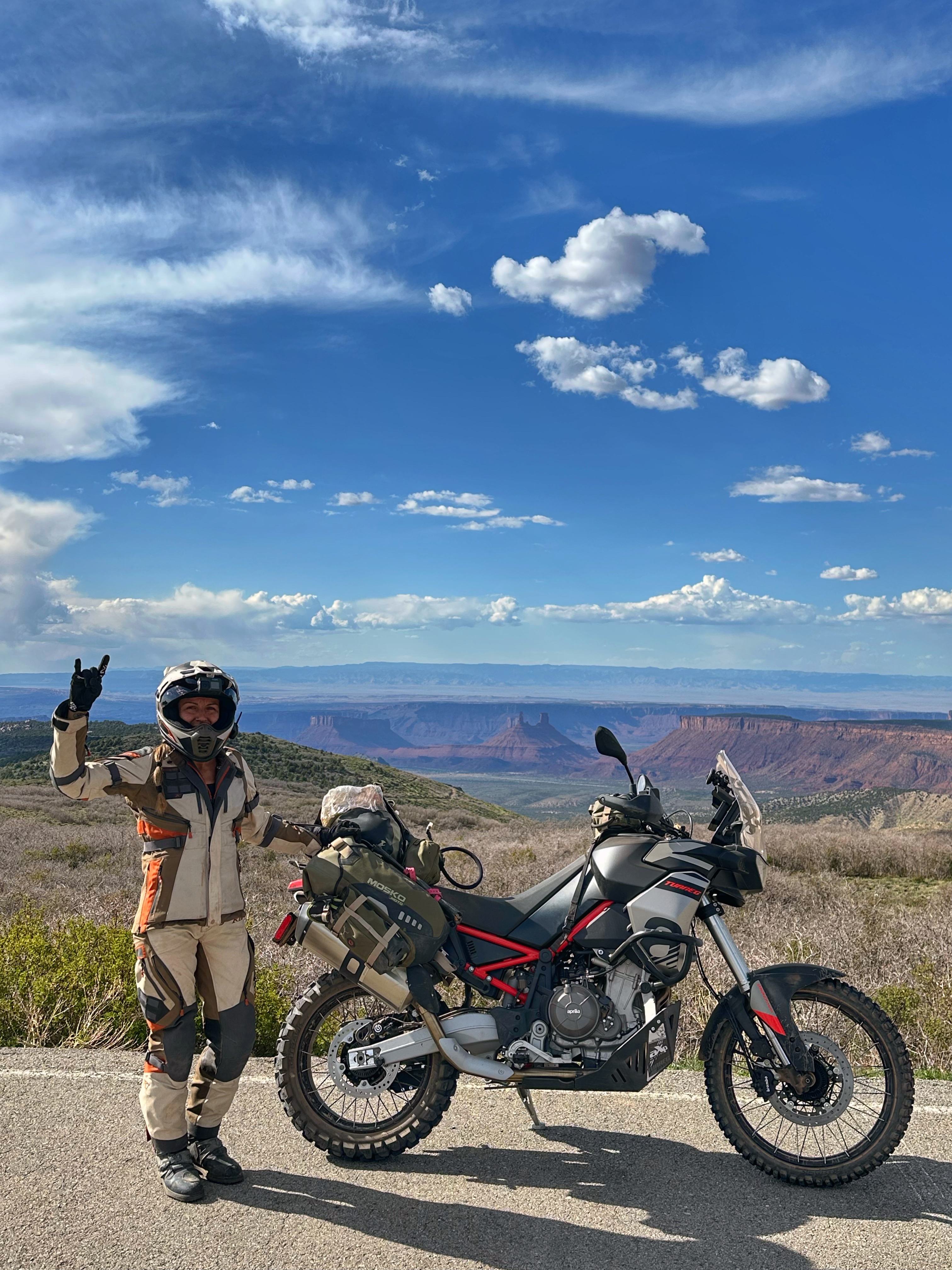
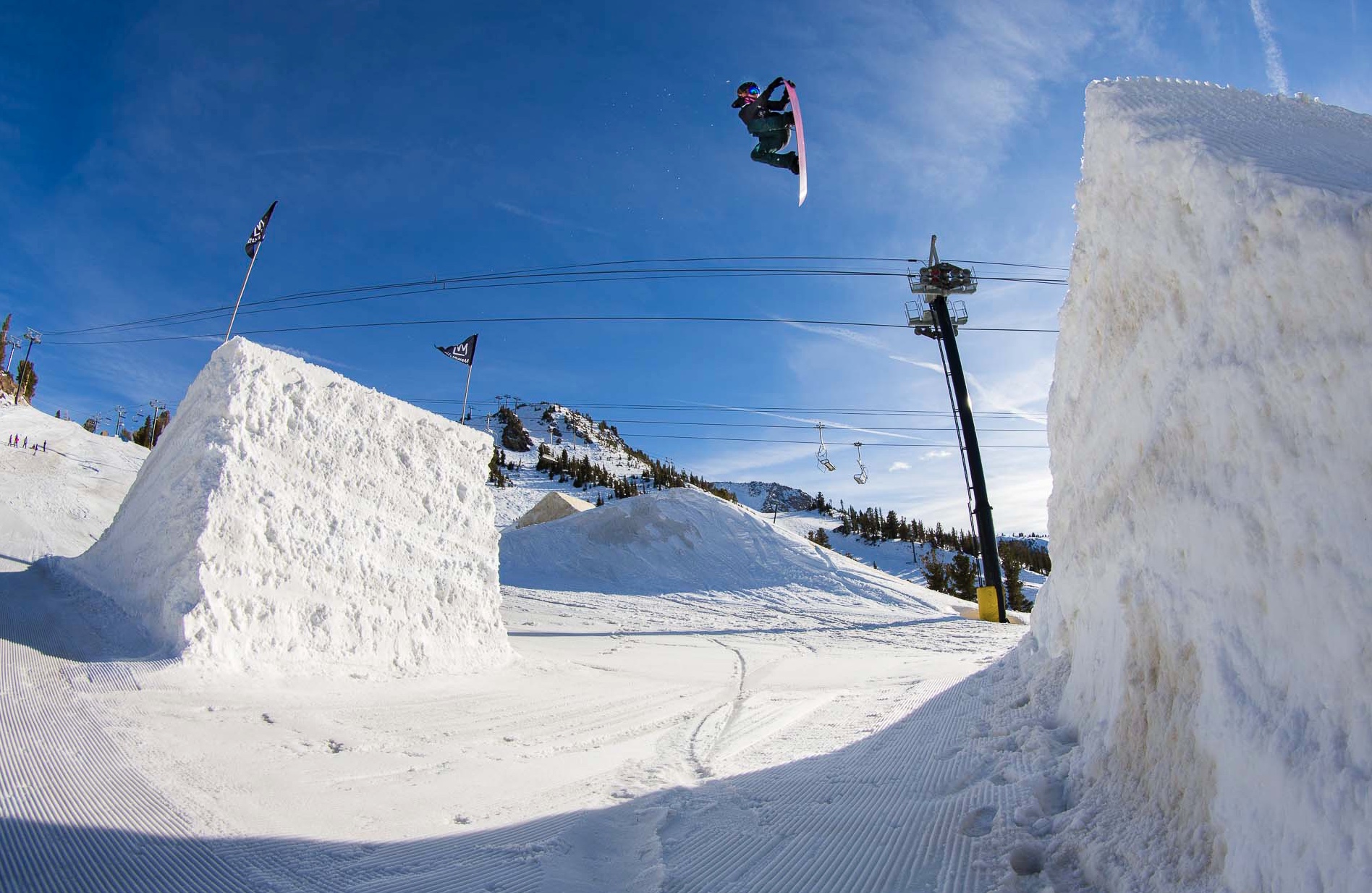
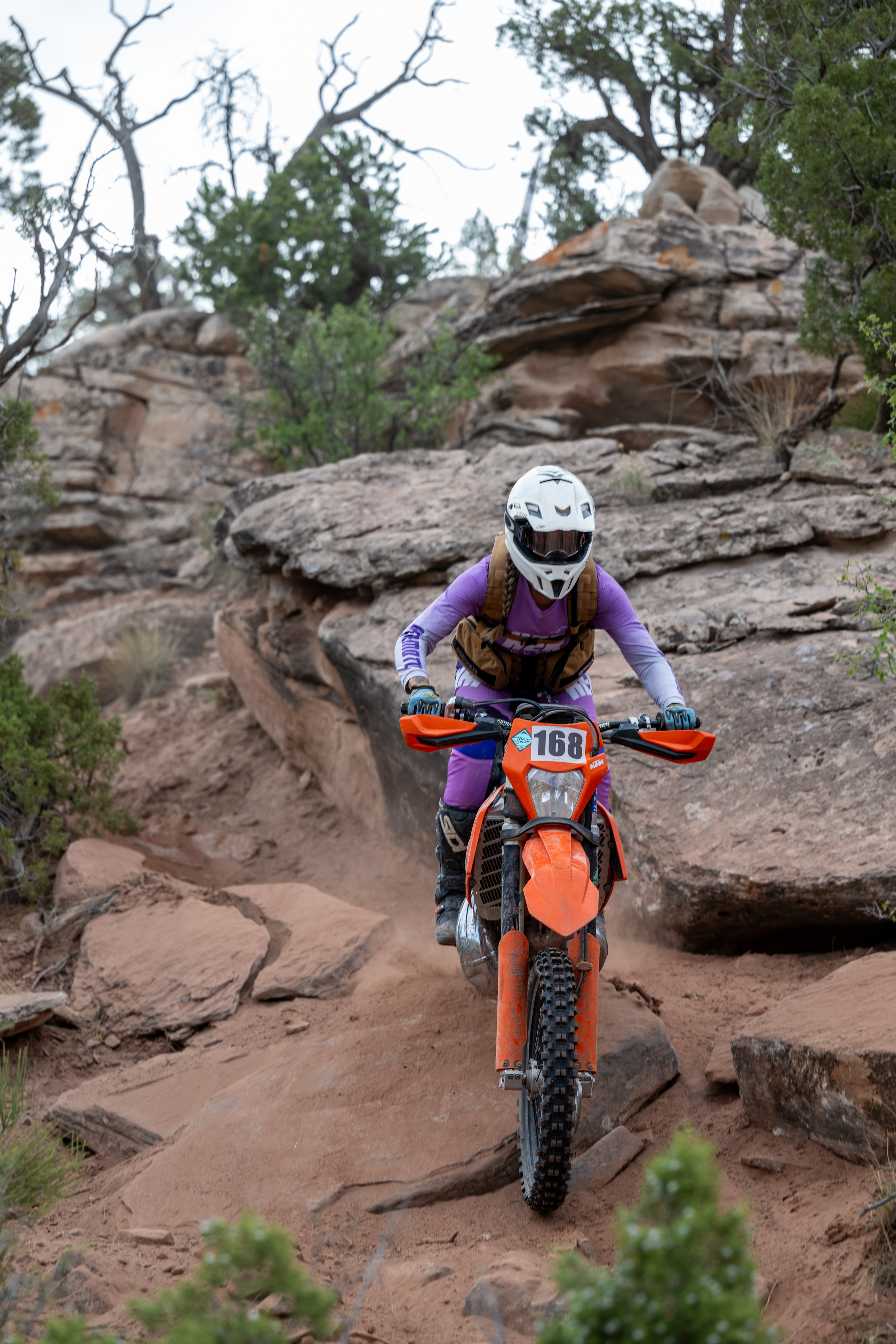
When she does get a day off, you can find Mariah racing dirtbikes, chasing the thrills she used to get on the slopes. “I typically ride hard enduro, but I also enjoy some good mountain singletrack. I think I enjoy riding hard enduro so much because it’s like a problem that you have to solve in order to get up a challenging feature or make it to the end of a difficult trail. You’re constantly analyzing the terrain in front of you and calculating the risk of each line to figure out the best way to navigate it based on your riding ability. To progress and learn new skills, you have to get comfortable being uncomfortable.” She also enjoys riding street bikes, adventure motorcycles, and mountain bikes. “Last summer, my husband and I rode the Colorado Backcountry Discovery Route (BDR), which was an eight-day, seven-night motorcycle trip – 1,600 miles of mostly off-road trails. This summer, we have a two-week trip planned to ride the Idaho BDR, which will be about 2,400 miles door-to-door. I still snowboard occasionally, but not nearly as often as I used to. I keep it pretty mellow on the slopes nowadays.”
Mariah is now in her third fire season as an SIC and plans to start working as a flight instructor as soon as the fire season concludes. “Eventually, I would like to work my way back into fire and utility, but we’ll see where the journey takes me.”

