
“As a kid, I would always look to the sky when aircraft passed over, and I loved airshows. When it came time to decide what to do for a career, I knew it needed to be hands-on and dynamic. Initially, I thought about going into corporate aviation flying business jets, but then I took an introductory helicopter flight and got hooked on the rotor wing experience. Now I love to fly it all – whichever machine matches the mission the best.”
Things began to take shape in 2006 at Silver State Helicopters. A fresh-faced Ty Burlingham joined the first class at the new location in Salem, Oregon – along with around 50 other students who had signed up, with only a single R22 to service them all. Nevertheless, with a bit of financial assistance, Ty could fully commit and finished 17 months later with a CFII Rotorcraft Helicopter and CFI SEL.
After finishing his ratings, Ty started working for his flight school as a CFII. That lasted about four to five months – at which time the flight school abruptly went bankrupt and closed up shop. Ty would have to find a new home to build hours for the next couple of years.
“Obstacles in this industry are everywhere, especially when you are trying to get off the ground; you must see them as opportunities. Every time something has cropped up, I’ve learned important lessons. For example, when Silver State went bankrupt, I stayed up all night sending out resumes and then making phone calls the next morning to get in front of someone before the waves of other CFIs came knocking. When my wife became pregnant before we had the income stream to support a baby, I took a side job as a security guard – purely to get my foot in the door with a large operator I knew would be hiring pilots in the coming spring.”
“You learn to network and build those human connections to get yourself going. There are no handouts in aviation; you have to want it, and you have to show up for it.”
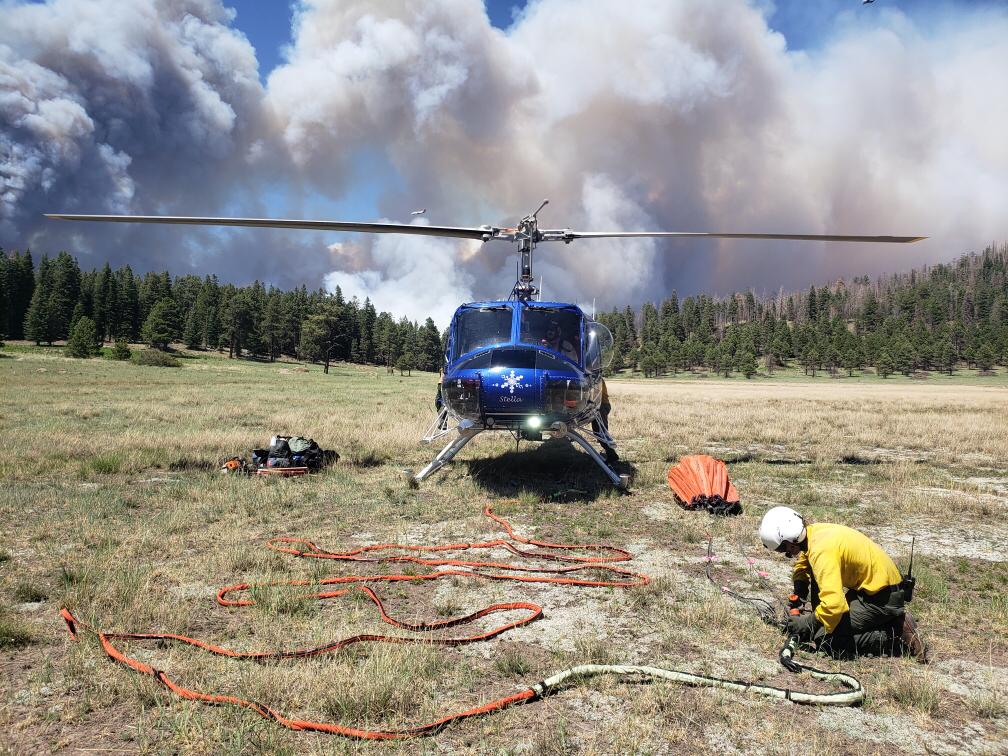

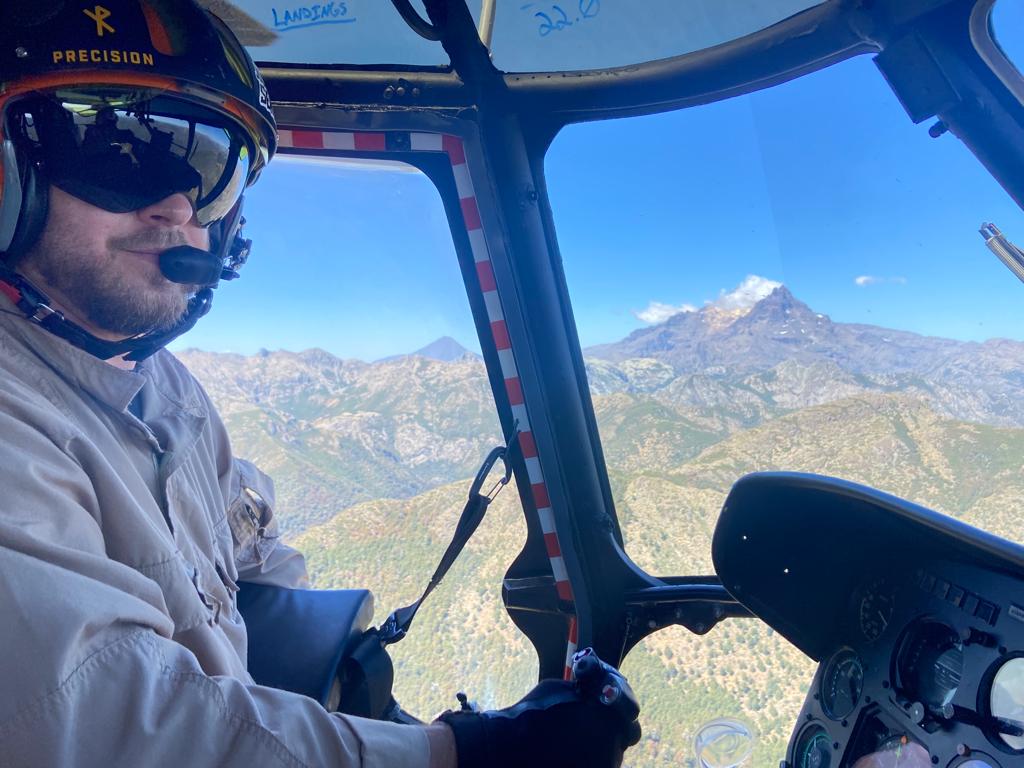
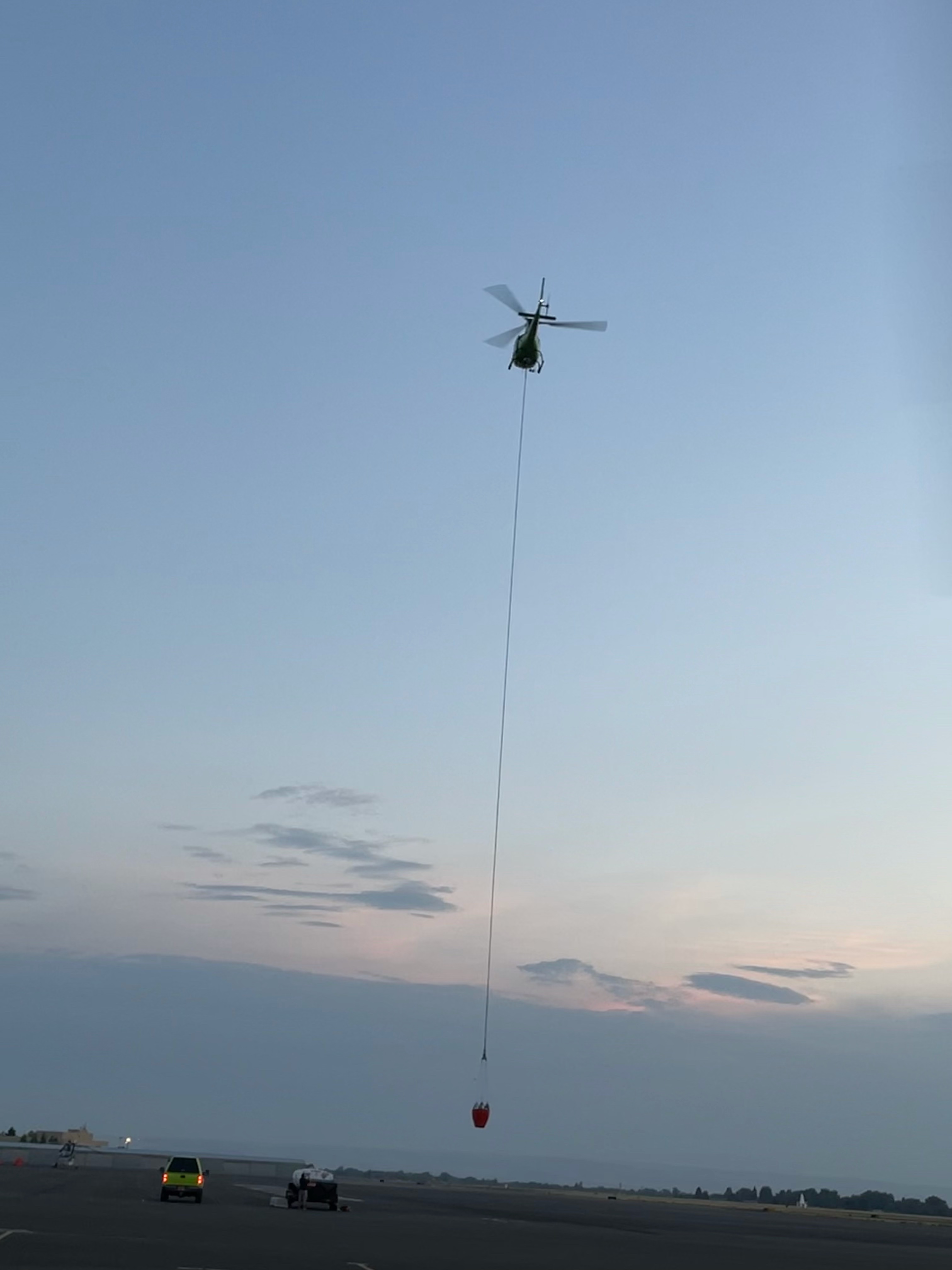
Ty’s subsequent hours accrued as a CFII for a smaller company, which meant convenient opportunities to fly turbine aircraft and gain utility flying experience. “I moved into the utility powerline world, flying the MD500. That started with powerline patrols, then inspections, which led to platform, longline, and HEC (Human External Cargo) operations. I switched companies to one that offered a 14/14 schedule and worked all over the US and Canada, building and maintaining powerlines.”
But, when Columbia Helicopters commenced their hiring process, Ty’s side plan fell into place, and he landed his first “real” flying job, stepping out of the security guard uniform and into the cockpit as SIC on the Vertol CH-107 11.
In 2015, he started contracting with Precision, initially flying the MD500 and then getting into the AS350. “That contract job developed into full-time work with them in 2016, and I’ve been here ever since.”
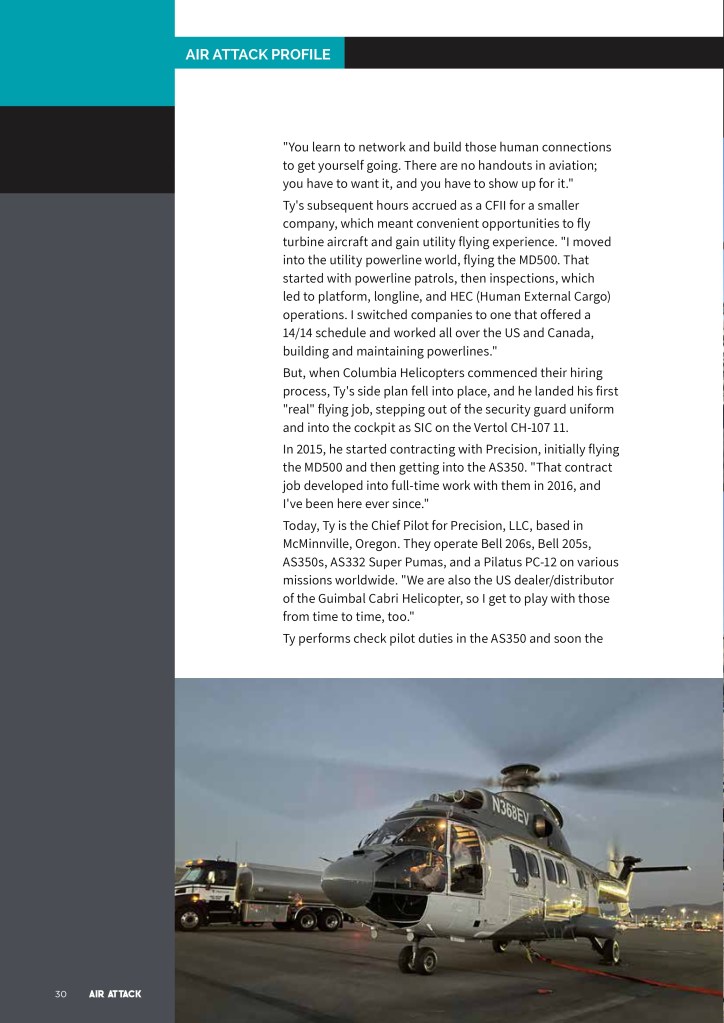
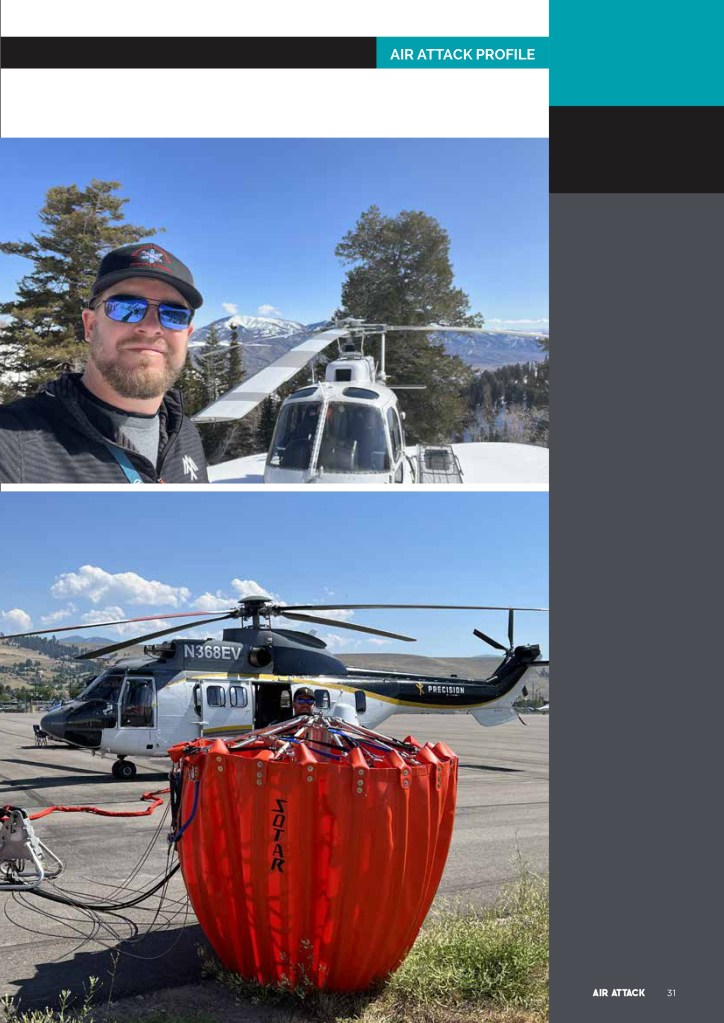
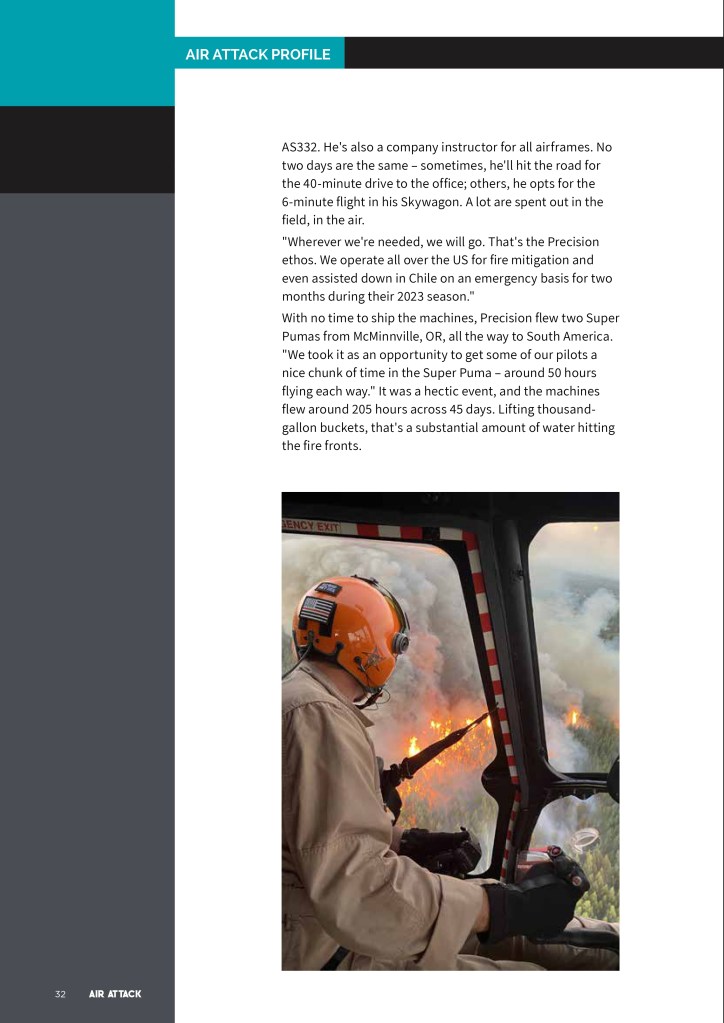
Today, Ty is the Chief Pilot for Precision, LLC, based in McMinnville, Oregon. They operate Bell 206s, Bell 205s, AS350s, AS332 Super Pumas, and a Pilatus PC-12 on various missions worldwide. “We are also the US dealer/distributor of the Guimbal Cabri Helicopter, so I get to play with those from time to time, too.”
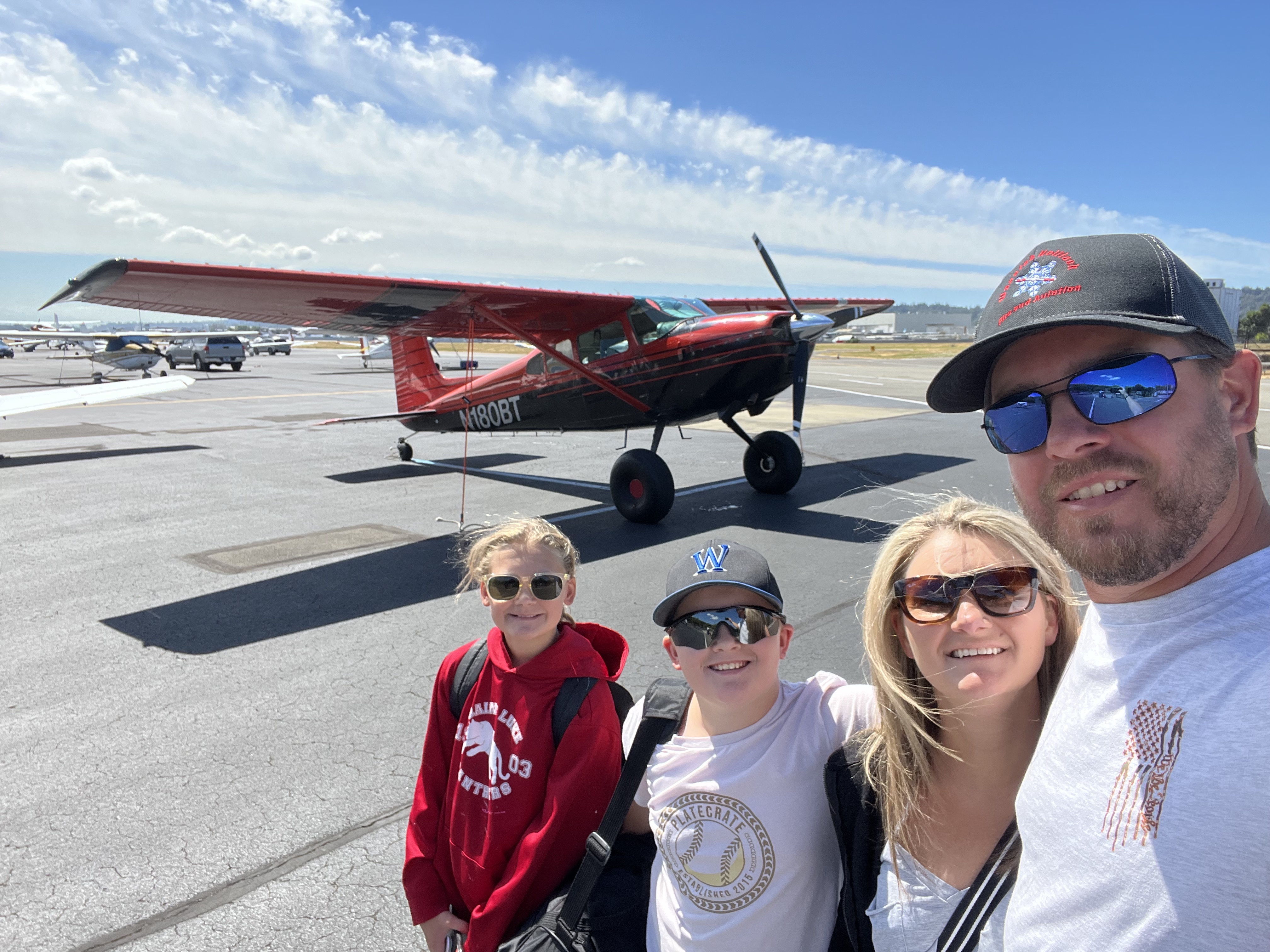
Ty performs check pilot duties in the AS350 and soon the AS332. He’s also a company instructor for all airframes. No two days are the same – sometimes, he’ll hit the road for the 40-minute drive to the office; others, he opts for the 6-minute flight in his Skywagon. A lot are spent out in the field, in the air.
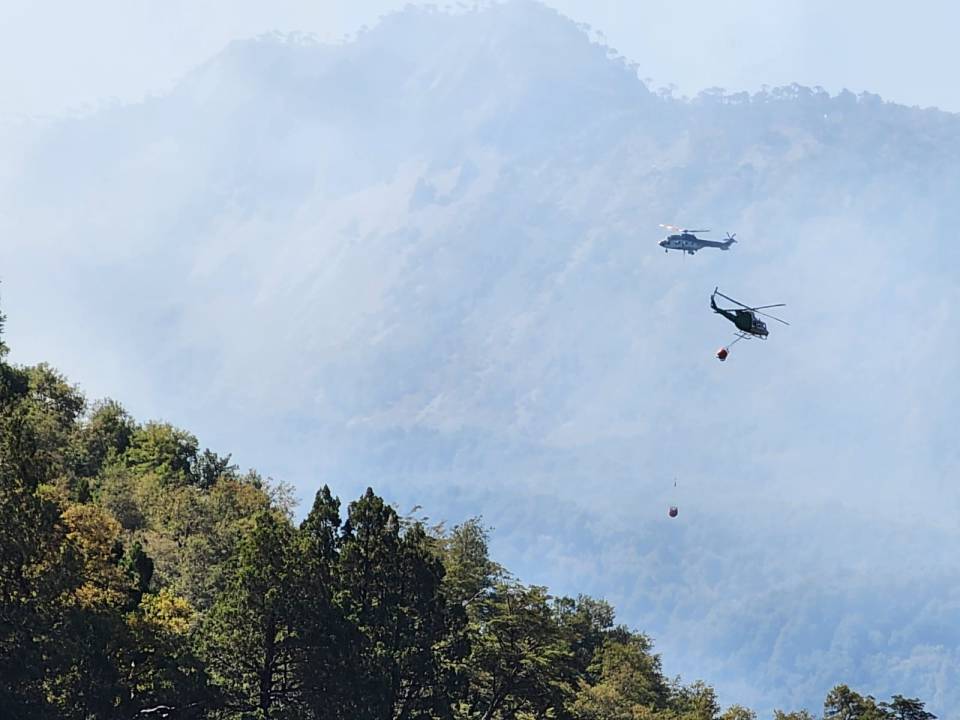
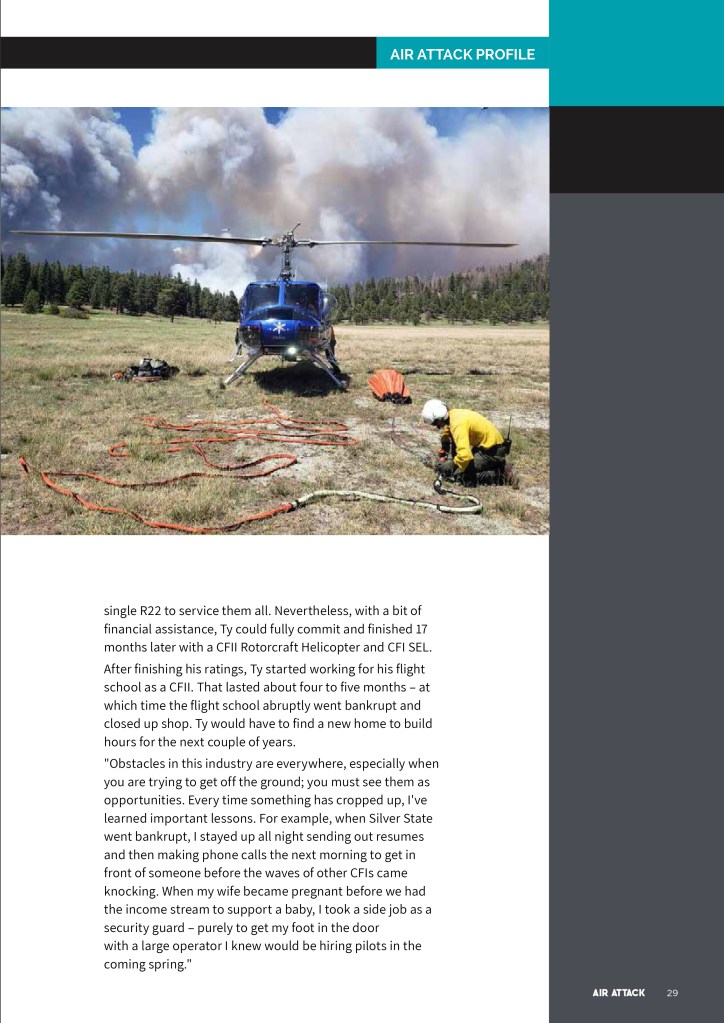
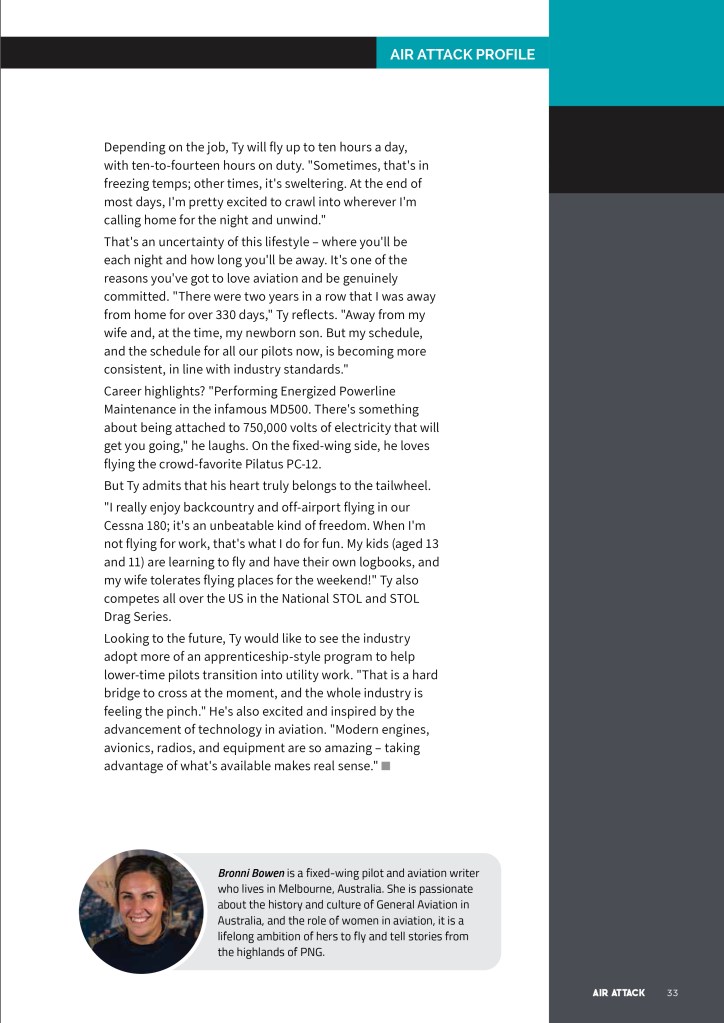
“Wherever we’re needed, we will go. That’s the Precision ethos. We operate all over the US for fire mitigation and even assisted down in Chile on an emergency basis for two months during their 2023 season.”
With no time to ship the machines, Precision flew two Super Pumas from McMinnville, OR, all the way to South America. “We took it as an opportunity to get some of our pilots a nice chunk of time in the Super Puma – around 50 hours flying each way.” It was a hectic event, and the machines flew around 205 hours across 45 days. Lifting thousand-gallon buckets, that’s a substantial amount of water hitting the fire fronts.
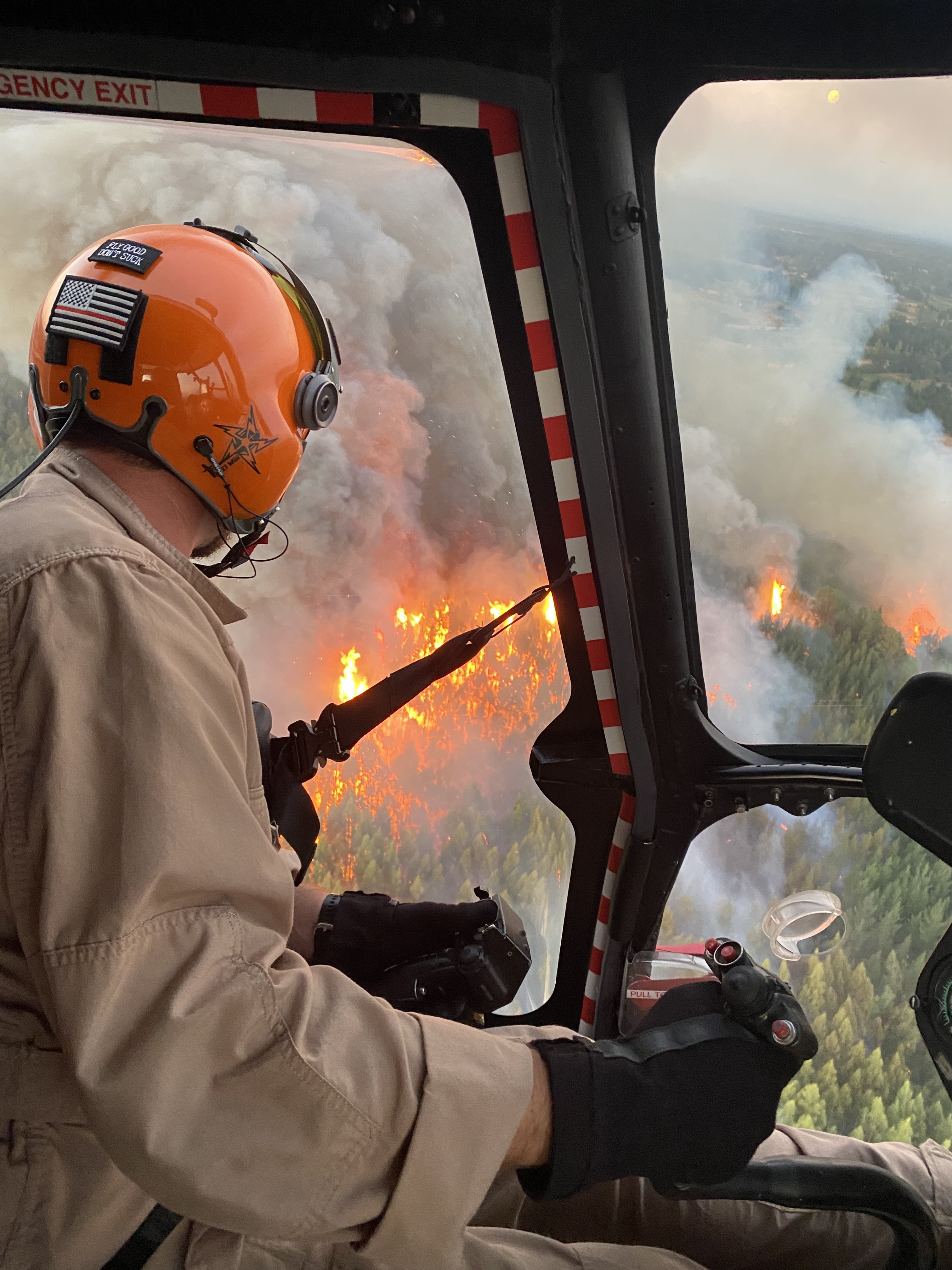
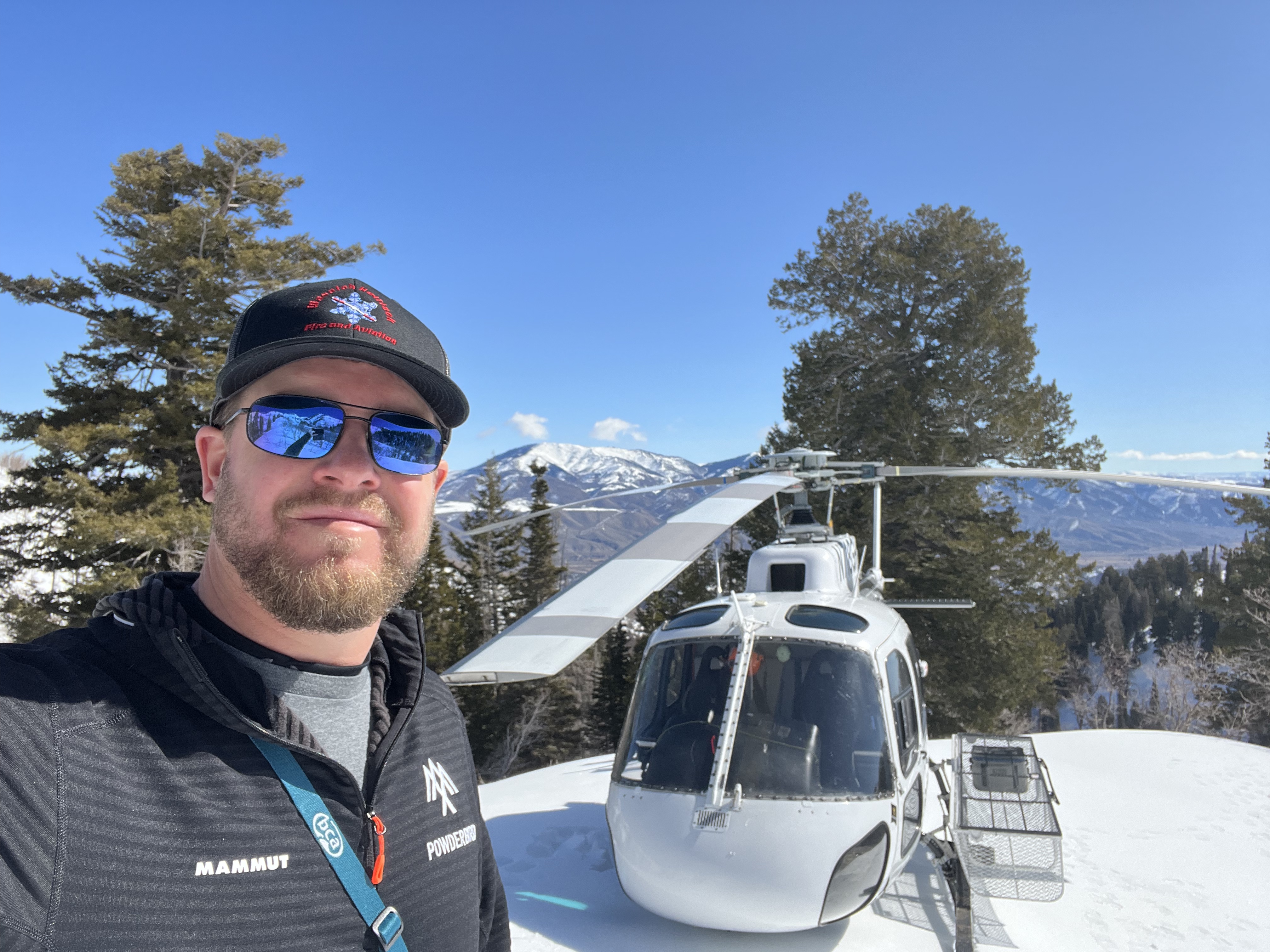
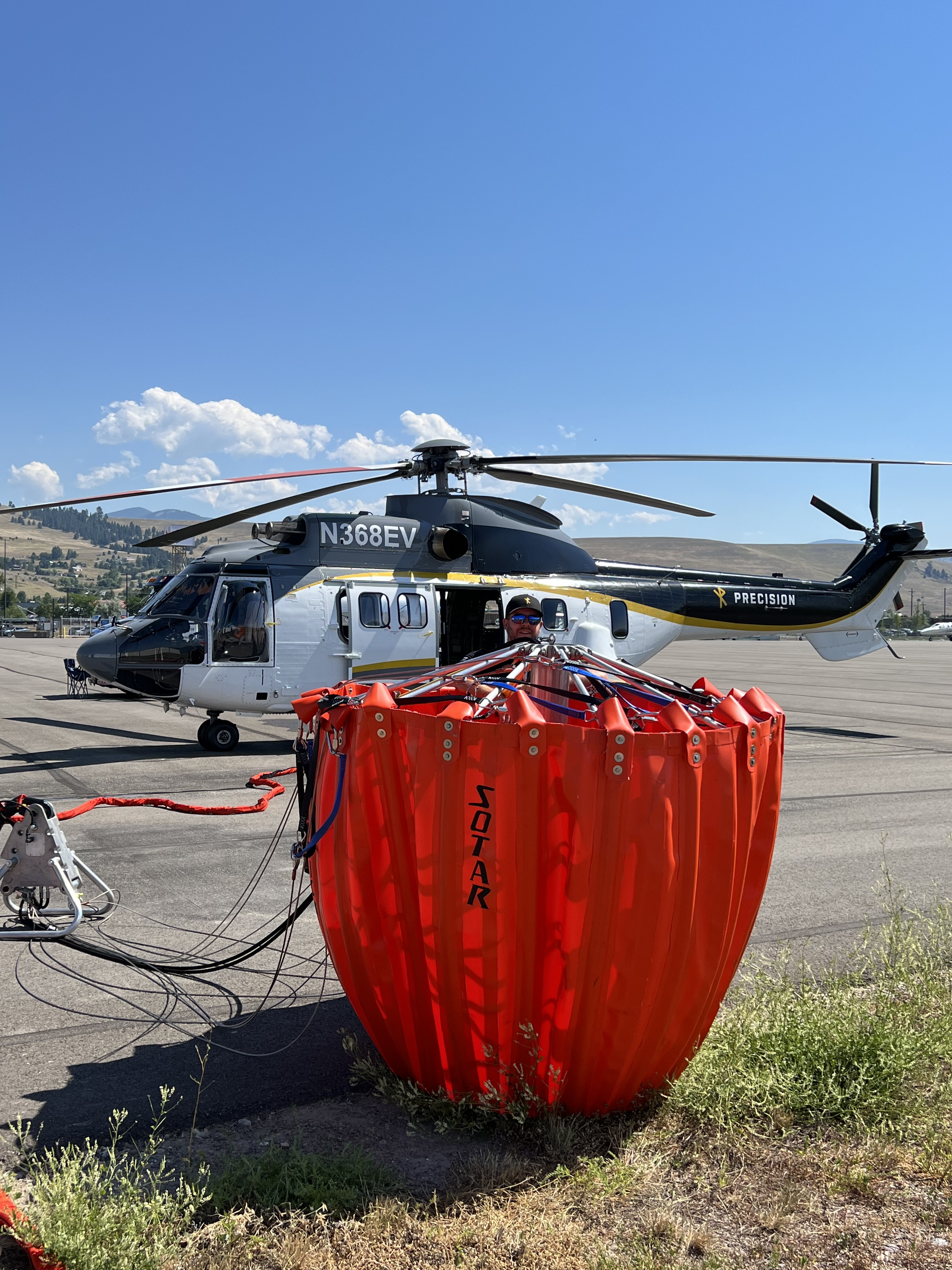
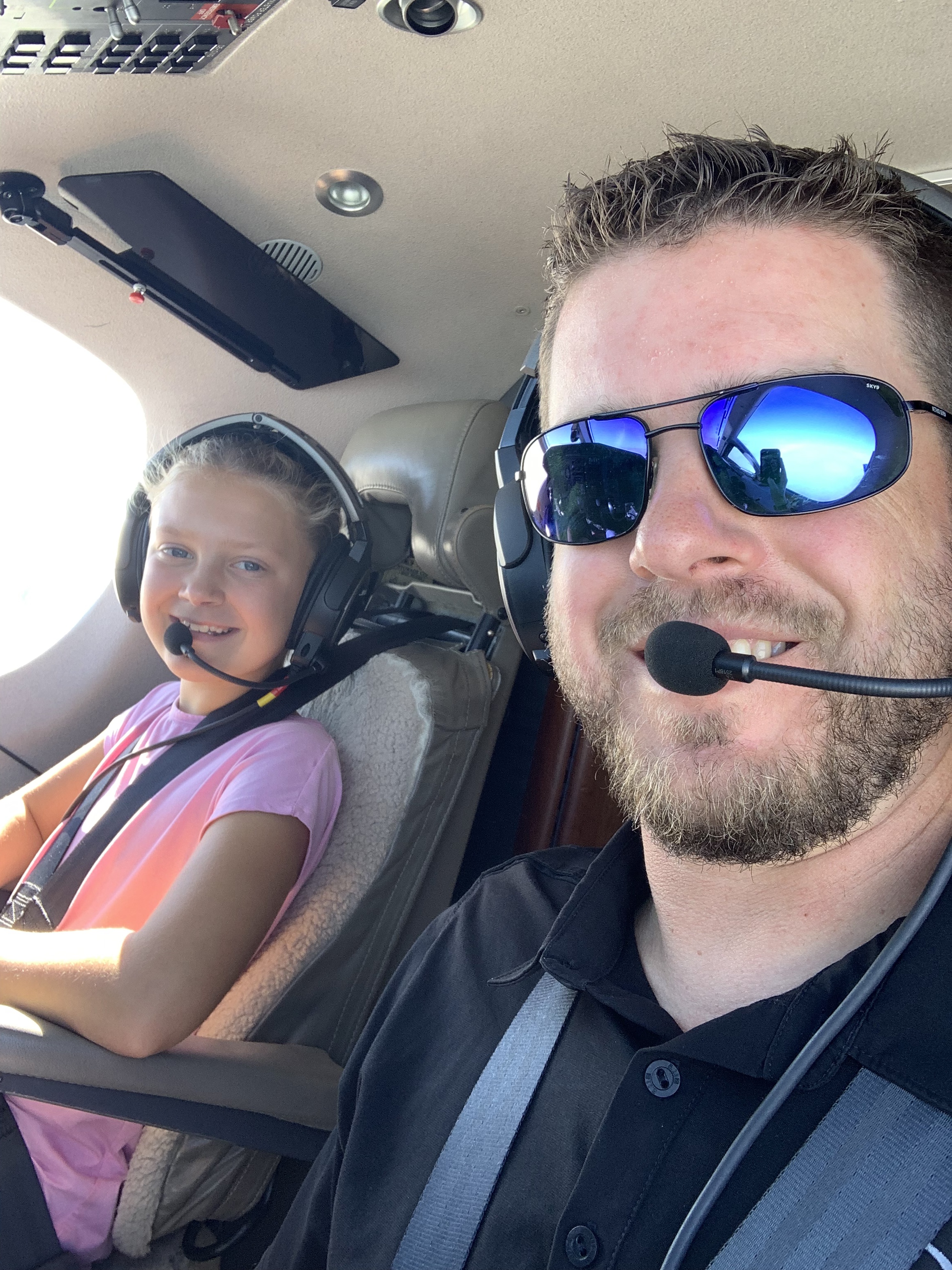
Depending on the job, Ty will fly up to ten hours a day, with ten-to-fourteen hours on duty. “Sometimes, that’s in freezing temps; other times, it’s sweltering. At the end of most days, I’m pretty excited to crawl into wherever I’m calling home for the night and unwind.”
That’s an uncertainty of this lifestyle – where you’ll be each night and how long you’ll be away. It’s one of the reasons you’ve got to love aviation and be genuinely committed. “There were two years in a row that I was away from home for over 330 days,” Ty reflects. “Away from my wife and, at the time, my newborn son. But my schedule, and the schedule for all our pilots now, is becoming more consistent, in line with industry standards.”
Career highlights? “Performing Energized Powerline Maintenance in the infamous MD500. There’s something about being attached to 750,000 volts of electricity that will get you going,” he laughs. On the fixed-wing side, he loves flying the crowd-favorite Pilatus PC-12.
But Ty admits that his heart truly belongs to the tailwheel.
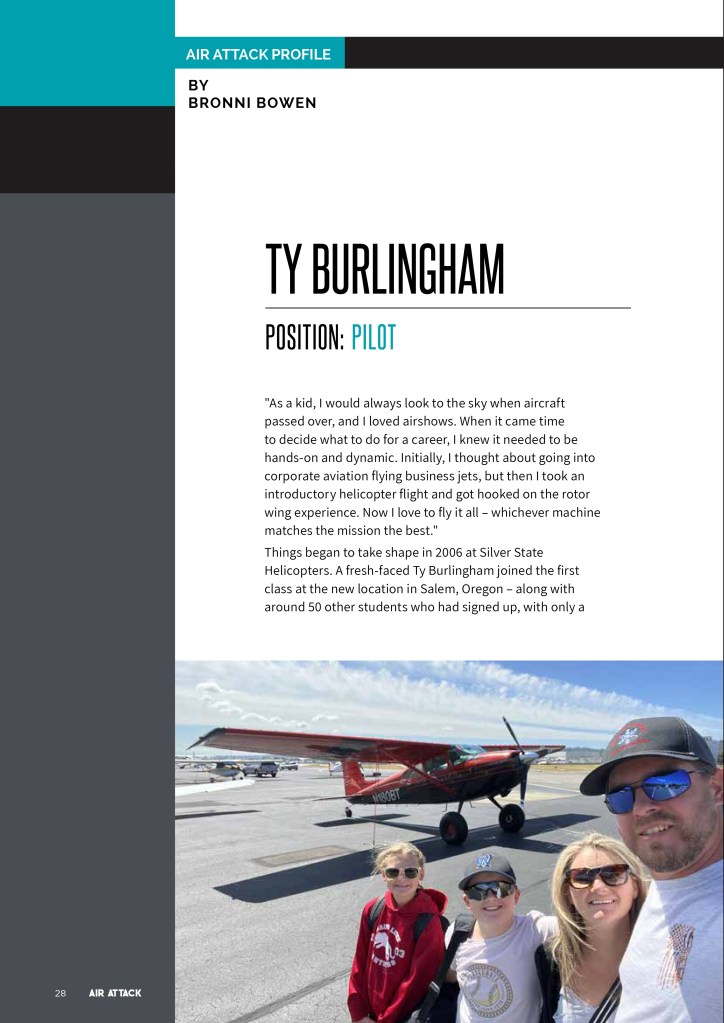
“I really enjoy backcountry and off-airport flying in our Cessna 180; it’s an unbeatable kind of freedom. When I’m not flying for work, that’s what I do for fun. My kids (aged 13 and 11) are learning to fly and have their own logbooks, and my wife tolerates flying places for the weekend!” Ty also competes all over the US in the National STOL and STOL Drag Series.
Looking to the future, Ty would like to see the industry adopt more of an apprenticeship-style program to help lower-time pilots transition into utility work. “That is a hard bridge to cross at the moment, and the whole industry is feeling the pinch.” He’s also excited and inspired by the advancement of technology in aviation. “Modern engines, avionics, radios, and equipment are so amazing – taking advantage of what’s available makes real sense.”
–– AA
Originally published in Air Attack Magazine Issue 33
 Bronni Bowen