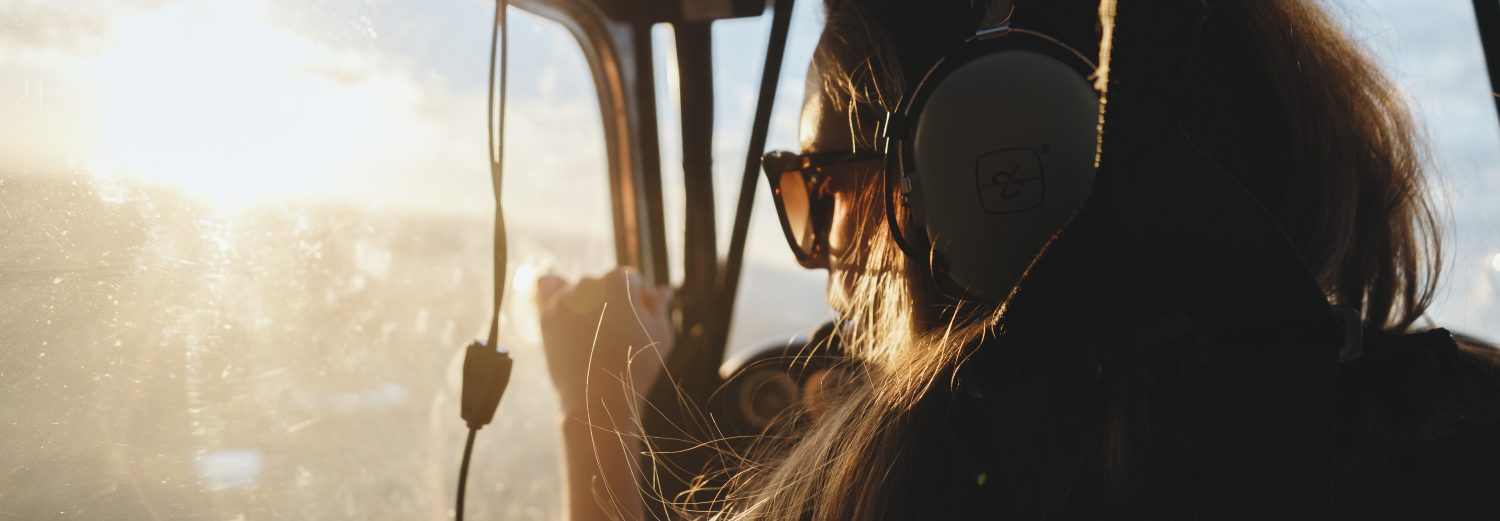
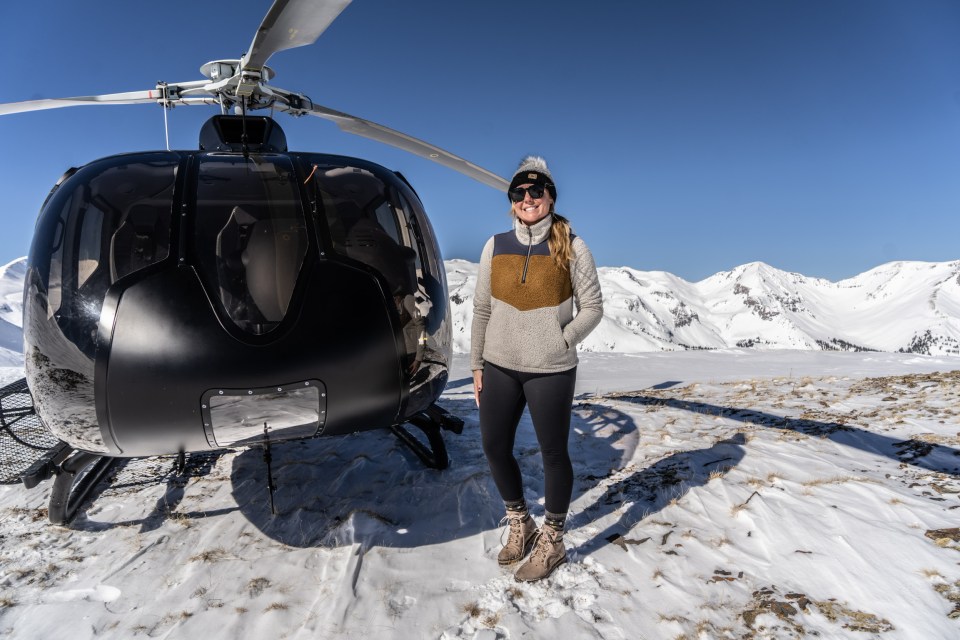
“I have many ‘whys,'” says Sam. “I never grew up in an aviation family. No one in my family is a pilot or flies. But I always had a love for aviation – I just never really thought it was attainable. I didn’t quite know how to pave that path when I was younger.”
Instead, Samantha Poirier attended college – “which I did very poorly at” – moved away from home, went out to work in the real world, and ‘experienced life.’ By this point, she realized she had to pursue her aviation dream.
So, she sold her horse and used that money to get her private fixed-wing license. “All of my training was self-funded. Although I applied for many scholarships along the way, the only one I was ever awarded was at this time. It helped me immensely. Flight training, building hours, check rides – it was all so expensive.” To pull it off, Sam moved back home with her parents, worked two jobs, and flew.
Sam’s flight school was owned by Jack Taylor in Loveland, CO, called Colorado Contrails. It was a small school, but the quality of CFI’s was exceptional. “My first flight instructor is a huge contributing factor as to why I am a pilot to this day,” Sam admits.
In the beginning, Sam was aiming to fly private jets – a lucrative, attractive lifestyle for many reasons. Presently, though, she met a few helicopter pilots, witnessed their work, and ended up being pulled in that direction.
“Helicopters are working aircraft, and they all have a special function. Whether it is landing remotely, delivering goods on a sling load, transporting patients to a hospital, or rescuing people who need to be hoisted out, they often serve the purpose of helping. Couple that with the actual flying and the views and my heart was won.”
Sam converted quickly. “None of the initial flight training was tricky or hard. I love flying helis and am lucky that it comes naturally to me. I started in January and took my check ride in May. From there, I went to Alaska and got the experience and training I needed, then went to Jerry Trimble Helicopters in Oregon for my commercial rotorcraft check ride.”
Later, Sam attended HeliStream in California for her instrument rating. “The instrument rating was definitely my biggest challenge; I was just at a tough time in my life when I went through the training and check ride.”


She stuck it out, though, her typical strength of character emerging. “Once I make my mind up to do something, I am very focused, disciplined, and hard on myself to see it through.”
“And, regardless – I still loved every part of flight training, and I still love learning. Anytime I can take a course or get further instruction to better myself, I indulge.”
Like many pilots, Sam earned a wide variety of experience in various landscapes and environments early on. She flew air tours and wine tours, wedding flights and photo flights, ferried helicopters, and dried cherries – “Those were my first real jobs, and then once I gained that experience, I began flying in the wildlife industry, working with wildlife biologists flying aerial surveys and captures of big game across North America.”
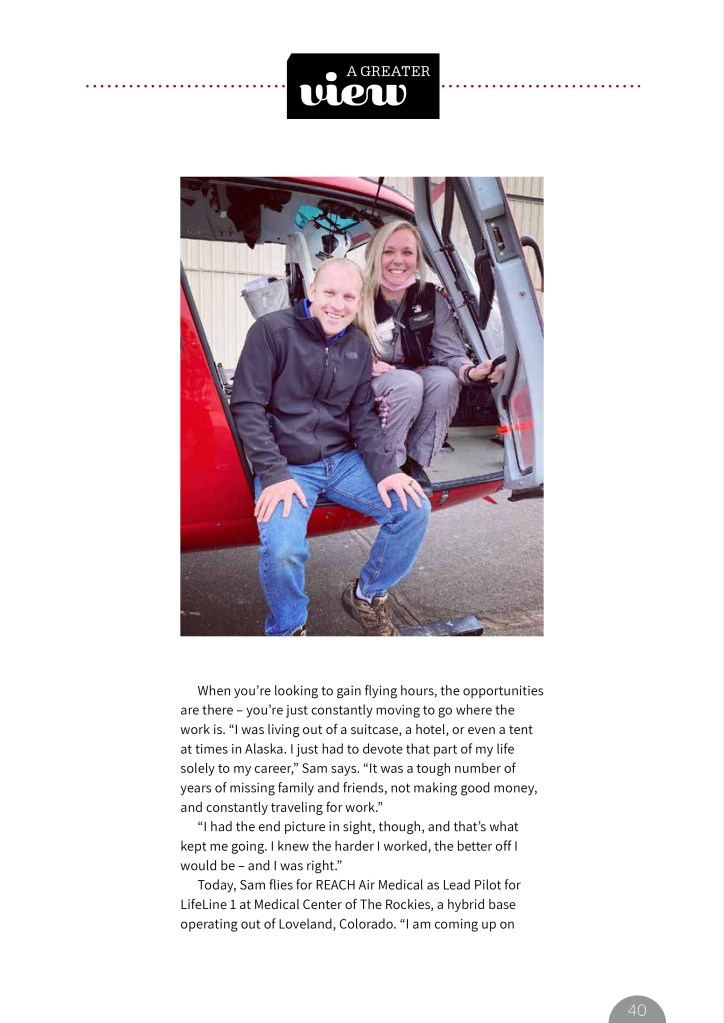
When you’re looking to gain flying hours, the opportunities are there – you’re just constantly moving to go where the work is. “I was living out of a suitcase, a hotel, or even a tent at times in Alaska. I just had to devote that part of my life solely to my career,” Sam says. “It was a tough number of years of missing family and friends, not making good money, and constantly traveling for work.”
“I had the end picture in sight, though, and that’s what kept me going. I knew the harder I worked, the better off I would be – and I was right.”

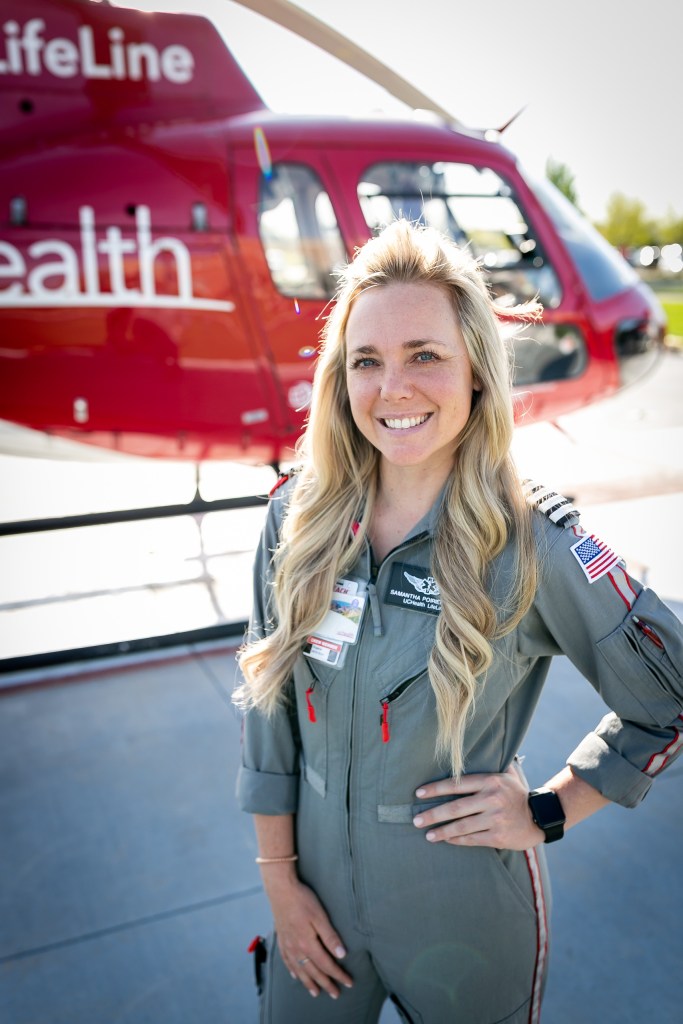
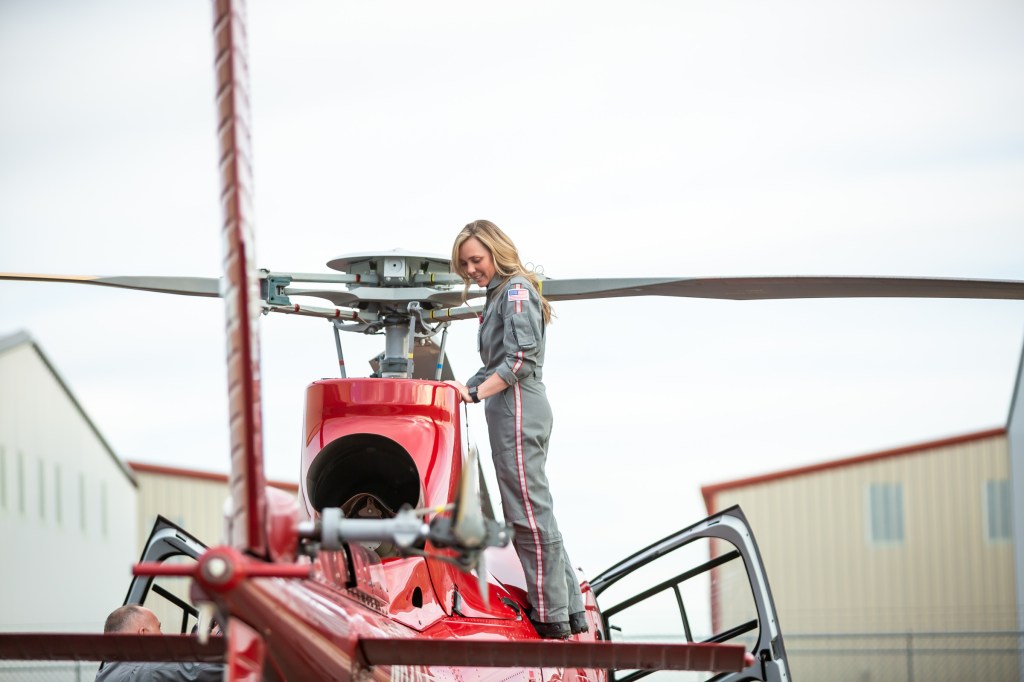
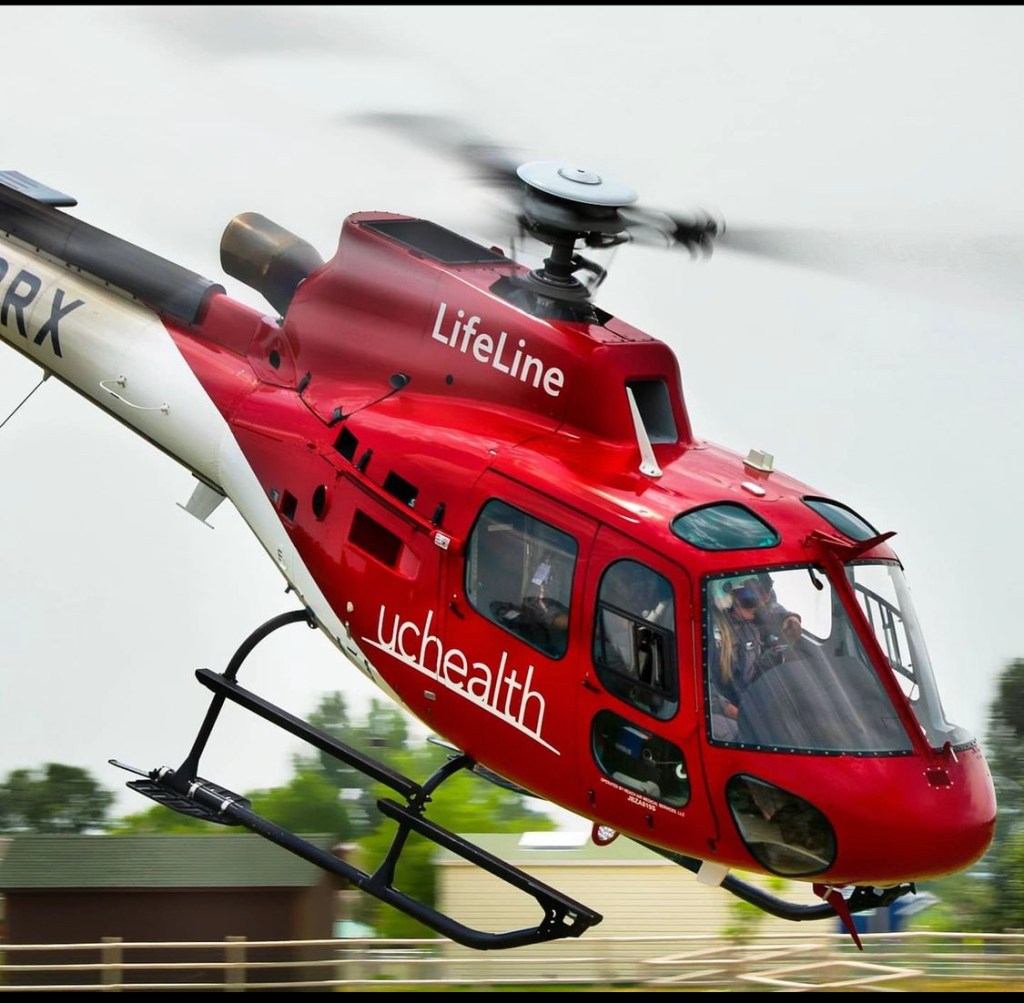
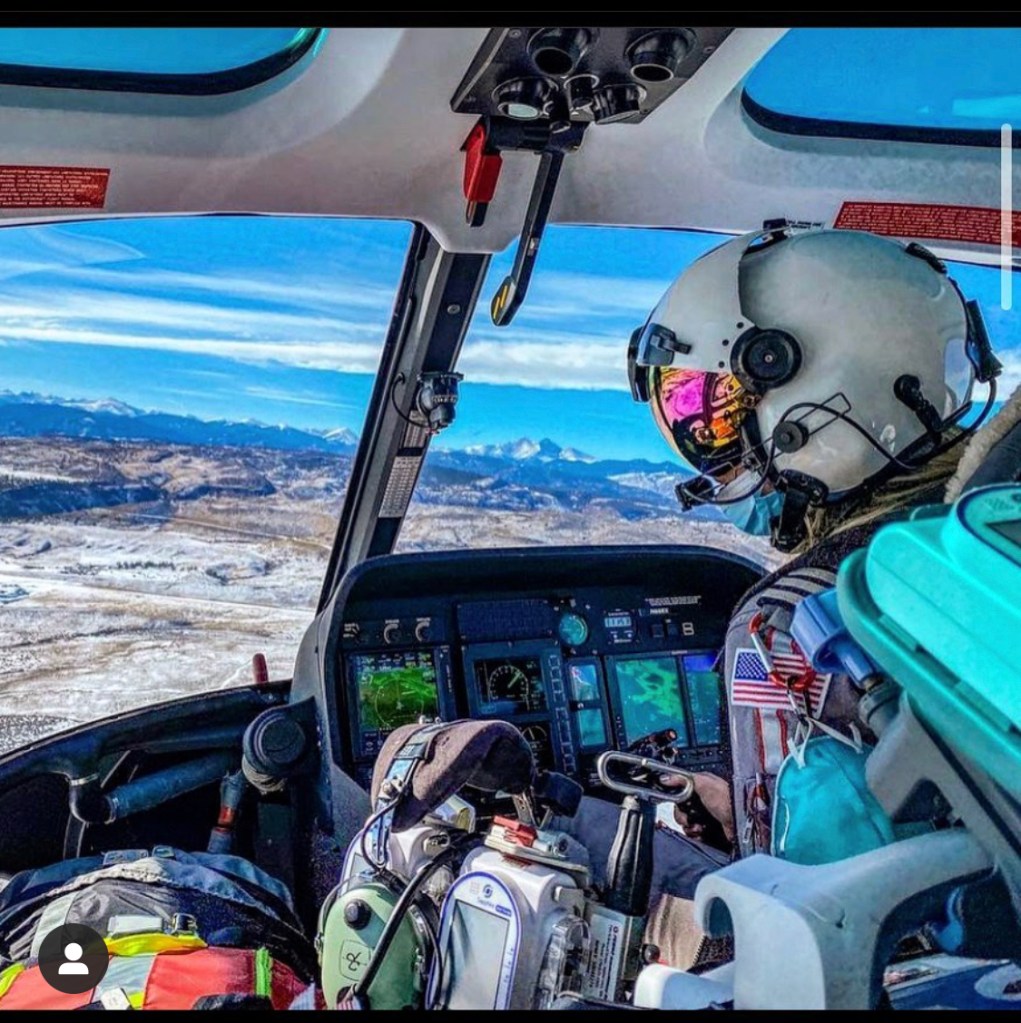
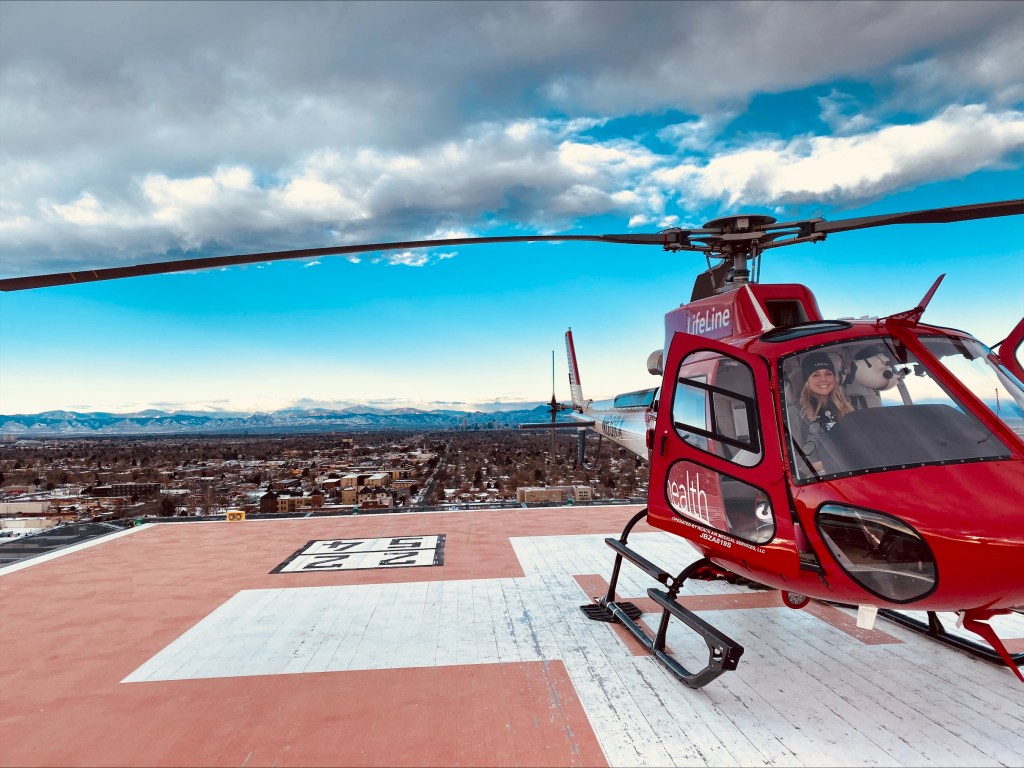
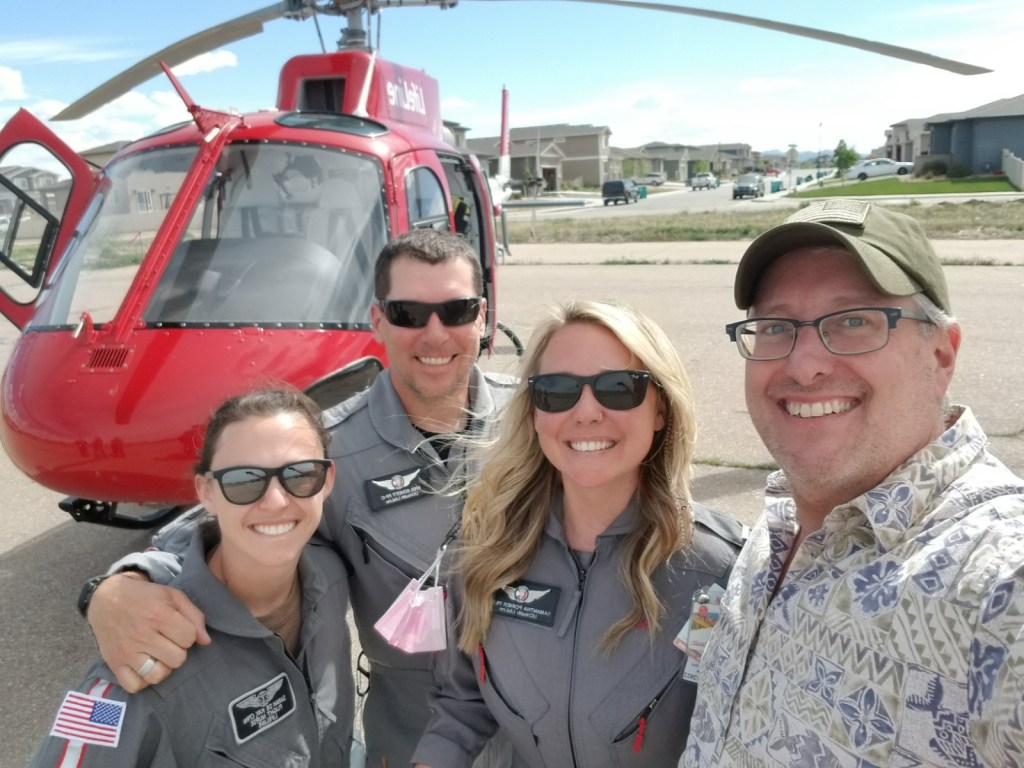
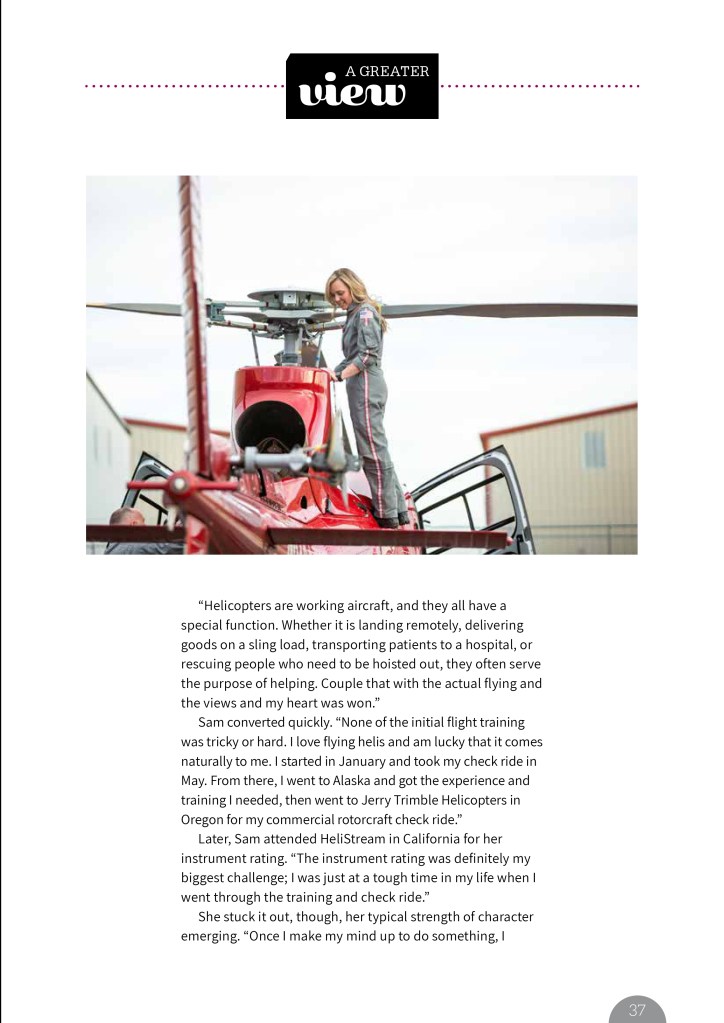
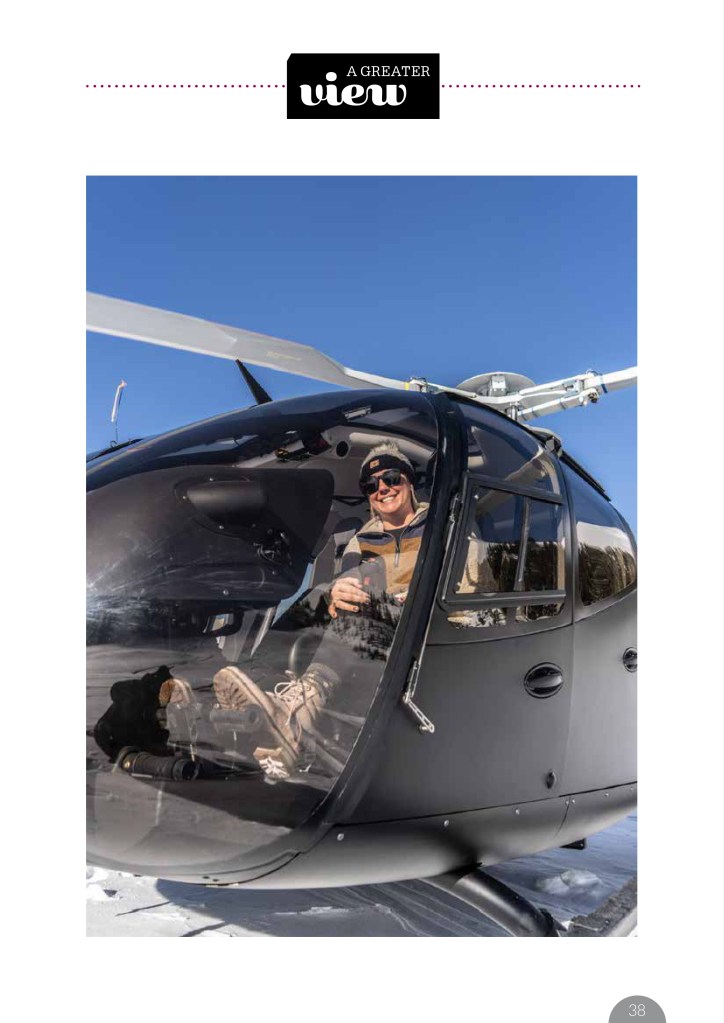
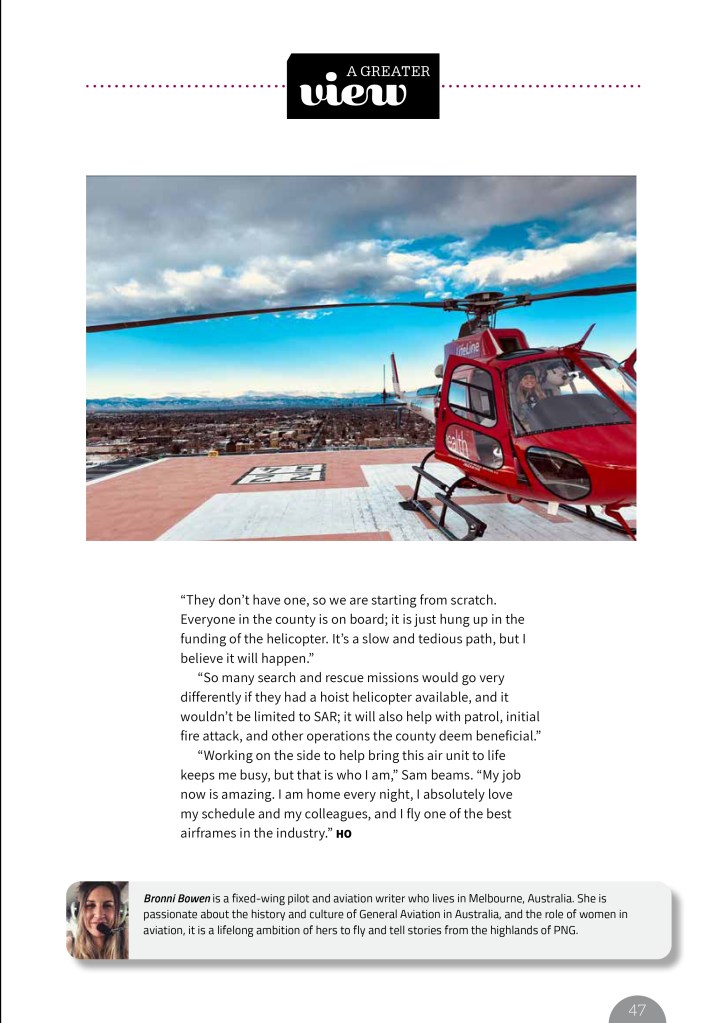
Today, Sam flies for REACH Air Medical as Lead Pilot for LifeLine 1 at Medical Center of The Rockies, a hybrid base operating out of Loveland, Colorado. “I am coming up on my fifth year now. I love working for REACH; they have been nothing but a great company to be part of.”
Sam’s days involve working closely with her medical crew in the mountains and across the front range of Colorado. “We fly the H125, and our flights are made up of inter-facility transports (IFTs) and scene calls. I am on a day or night shift; we swap back and forth every other week.”
“Our base is at 5,000′, and we have many mountains, close, all over 10,000′. We are always flying in the mountains, which is my favorite. I adore the H125; it’s a little workhorse. Even though it’s small inside, it truly performs so well and is the best airframe for our operating area.”
“The best part about my job, and why I love it so much, is that I get to fly every day and help save lives. As a team, we all play a critical role in our flights and are often put in tense situations. I knew at a young age I was not cut out for the typical eight-to-five desk job, which is why I love going to work here every day.”
Sam also likes to keep things interesting outside of the EMS sphere. “Recently, I flew for a company in West Texas that did helicopter hog hunts. Then, last year, I flew for a private operator out of Moab who has a black H130. I love that airframe, and the missions I flew were amazing: heli-ski drops in Telluride, CO, floating drops along rivers, mountain biking, and base jumping/sky diving missions. That was a lot of fun!”

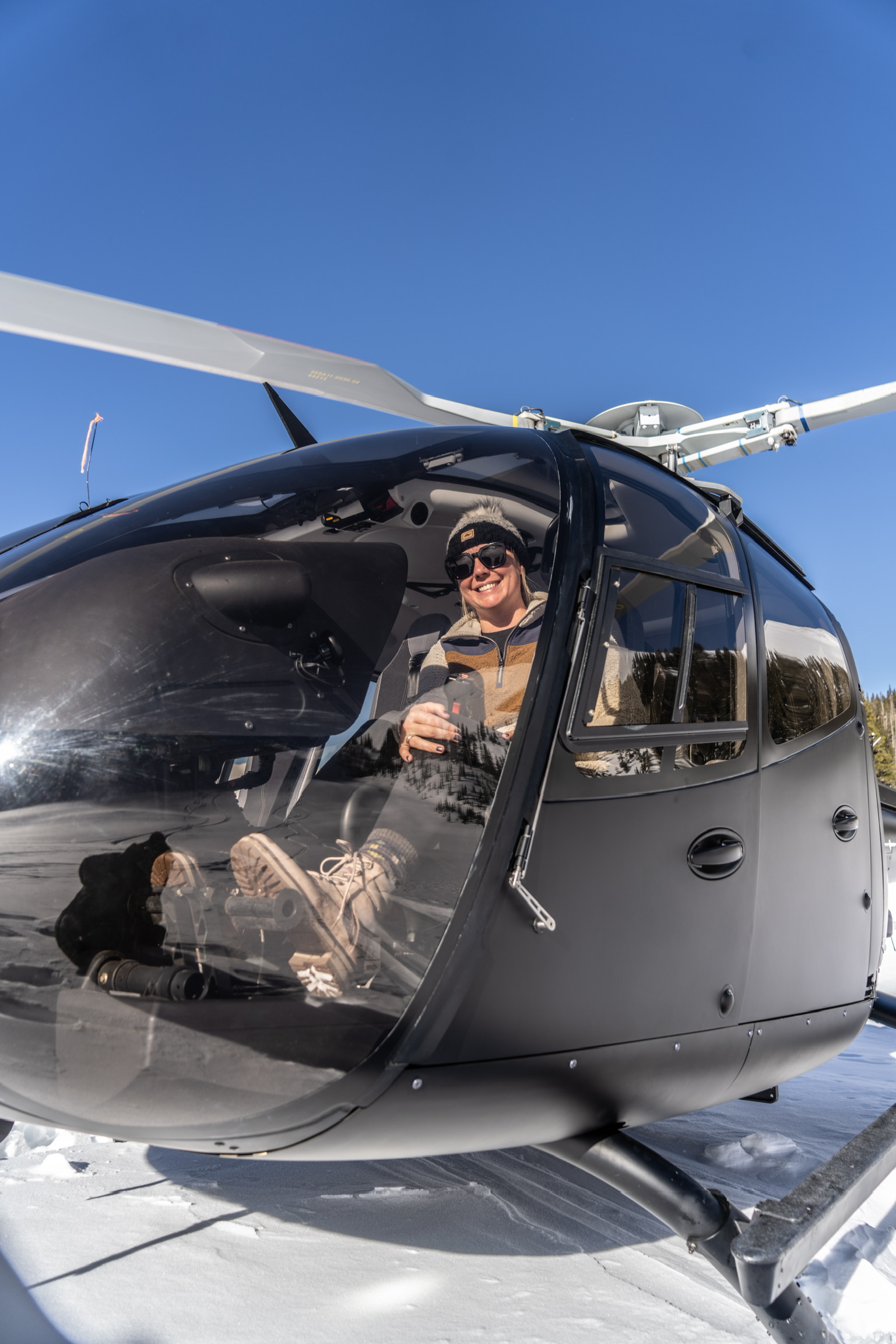
Sam ponders what is next. “I love REACH and the rewarding aspect of flying EMS. The next move up from Lead Pilot would be Assistant Chief Pilot, which is definitely next on my horizon and one of my goals – that position doesn’t open very often, though. I would love to learn how to hoist and add that to my resume.”
In the meantime, she’s working with the Larimer County Sheriff’s Office in northern Colorado to develop an air unit. “They don’t have one, so we are starting from scratch. Everyone in the county is on board; it is just hung up in the funding of the helicopter. It’s a slow and tedious path, but I believe it will happen.”
“So many search and rescue missions would go very differently if they had a hoist helicopter available, and it wouldn’t be limited to SAR; it will also help with patrol, initial fire attack, and other operations the county deem beneficial.”
“Working on the side to help bring this air unit to life keeps me busy, but that is who I am,” Sam beams. “My job now is amazing. I am home every night, I absolutely love my schedule and my colleagues, and I fly one of the best airframes in the industry.”
First published in HeliOps Magazine – Issue 147 (Kia Kaha Media) in ‘A Greater View’, a column profiling women in the heli industry, worldwide.



 Bronni Bowen