
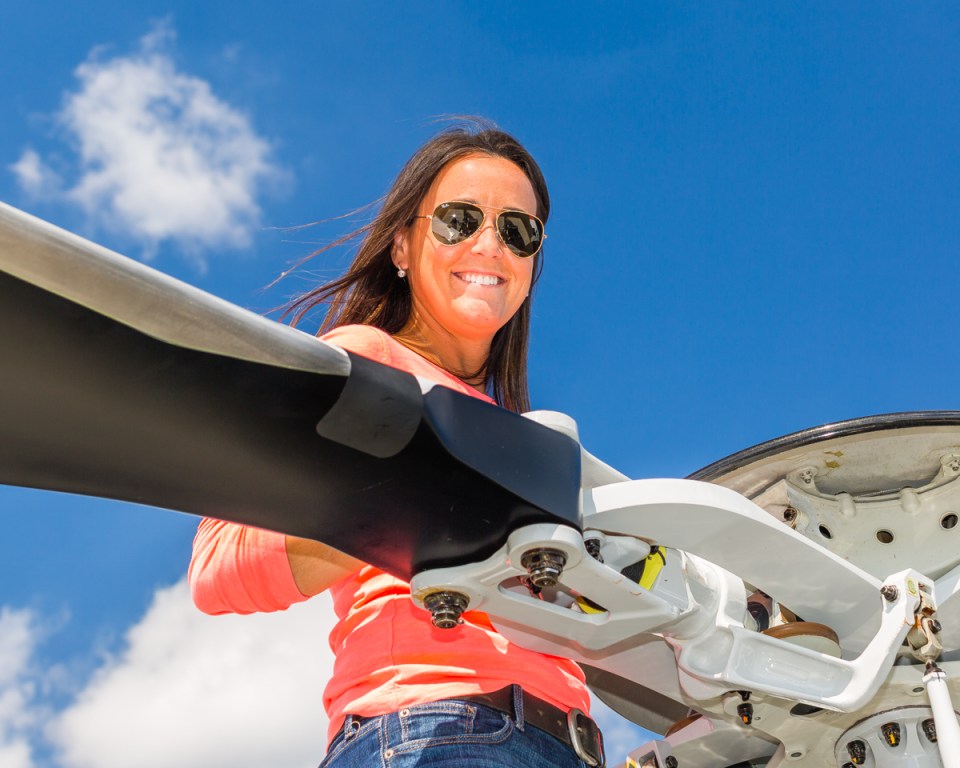
Jenn Mulkern grew up with aviation in the family. Her father is a helicopter pilot, and she had her first ride in an R22 at the ripe old age of six weeks. “As soon as I could reach the controls, he started teaching me how to fly the BH206, and any time he had room in the helicopter, he would take me so I could practice.”
Things progressed with ebullient momentum. At her third birthday party, a tiny Jenn lead a game of ‘Pin the Tail Rotor on the Helicopter.’ On her 16th birthday she soloed, going on to become a commercial pilot at just 19 years old.
“I was very fortunate to have an incredibly supportive family when it came to getting me through the licenses. They took out a second mortgage, and my ‘job’ was to put all my effort into training, which I did, paying them back once I entered the workforce.”
After graduating high school, Jenn went to Florida for flight training and obtained her commercial, CFI, and CFII over a period of one year. She instructed in the Boston area before landing a job flying a Bell 407.
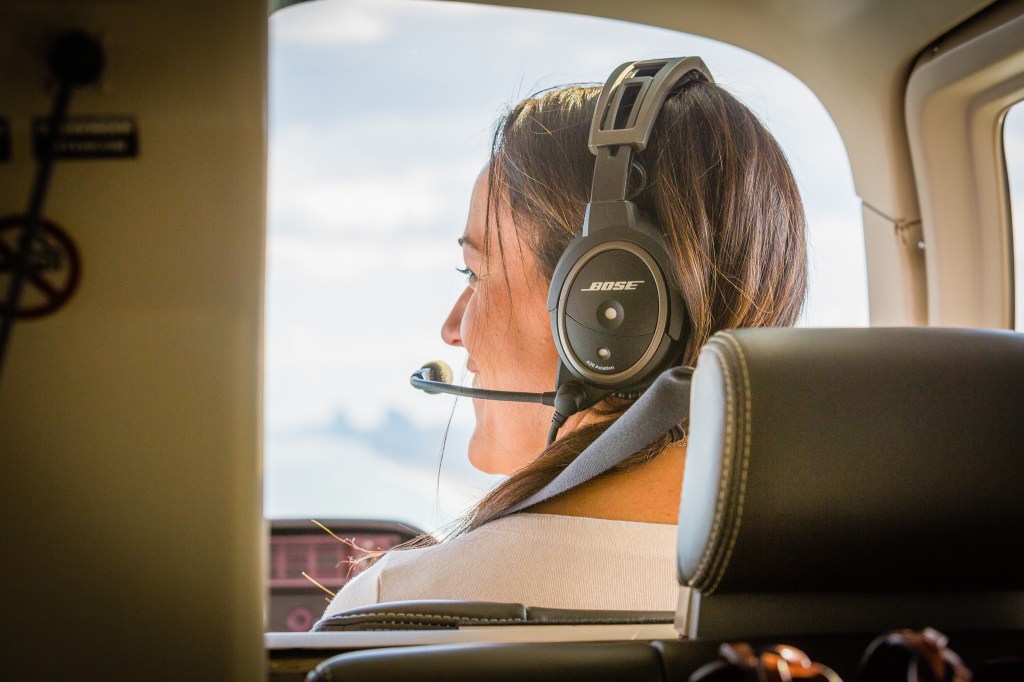
“I started out flight instructing, like most new civilian helicopter pilots, and in the six years following that, I flew for a private family all over the USA and Canada. This was an on-demand operation with a lot of cross-country and off-airport landings.”
“One of my favorite jobs for that family was my first international trip with them. We flew the BH407 from Maine to their fishing lodge in Canada, followed by a trip to Québec City for lunch and a tour. My job was to coordinate everything from customs timing to flight plans, transportation, and reservations.”
“The flight was beautiful, and all my preparations meant everything came off without a hitch. Even the busy controllers at Québec City Airport were beyond accommodating, allowing us to do a low-level tour around the city on our way in. This was a rewarding and challenging adventure for a young, low-time pilot!”

Jenn flew Electronic New Gathering back in Boston for a time, then a stint in utility and charter work in the greater New England area.
“I have had a very diverse career so far, but I think the most challenging aspect, for me, was trying to build hours to be marketable. When I started training, the industry was saturated with pilots, and it was hard to get your foot in the door anywhere, even if you did have the hours. The rotor-wing world is small and tight-knit. It’s all about who you know, so networking is really important. It took a lot of time and positive interactions to build a solid reputation within the industry.”
“I think the aviation industry, as a whole, has a very competitive ‘pay your dues’ type of attitude. Yes, experience is essential, but I think a more supportive community would benefit anyone looking to take that first step and get into aviation as a career. The more we can share experience around and try to help low-time pilots build their knowledge base, the more it will help us shape a sustainable future for the industry and the people in it.”
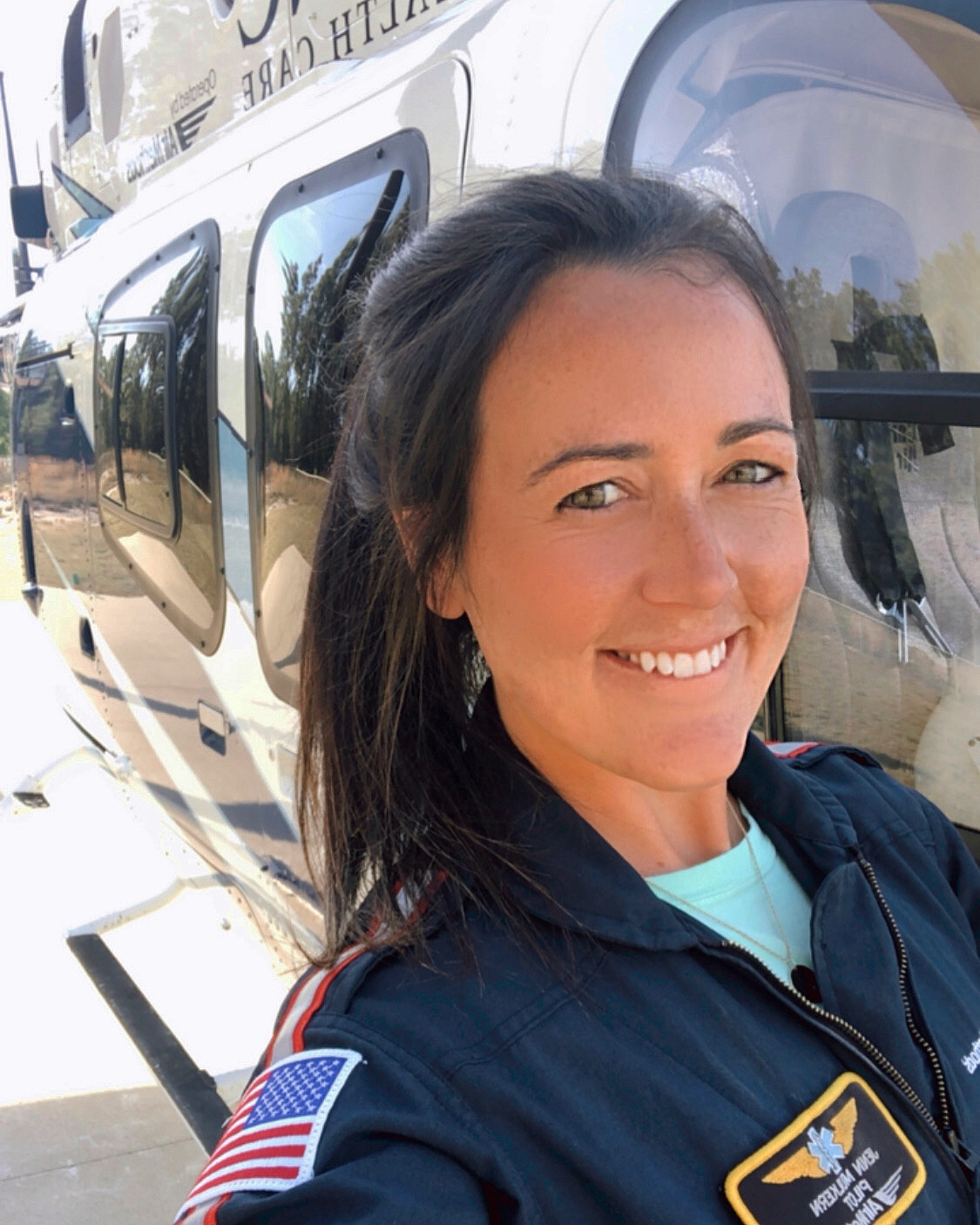
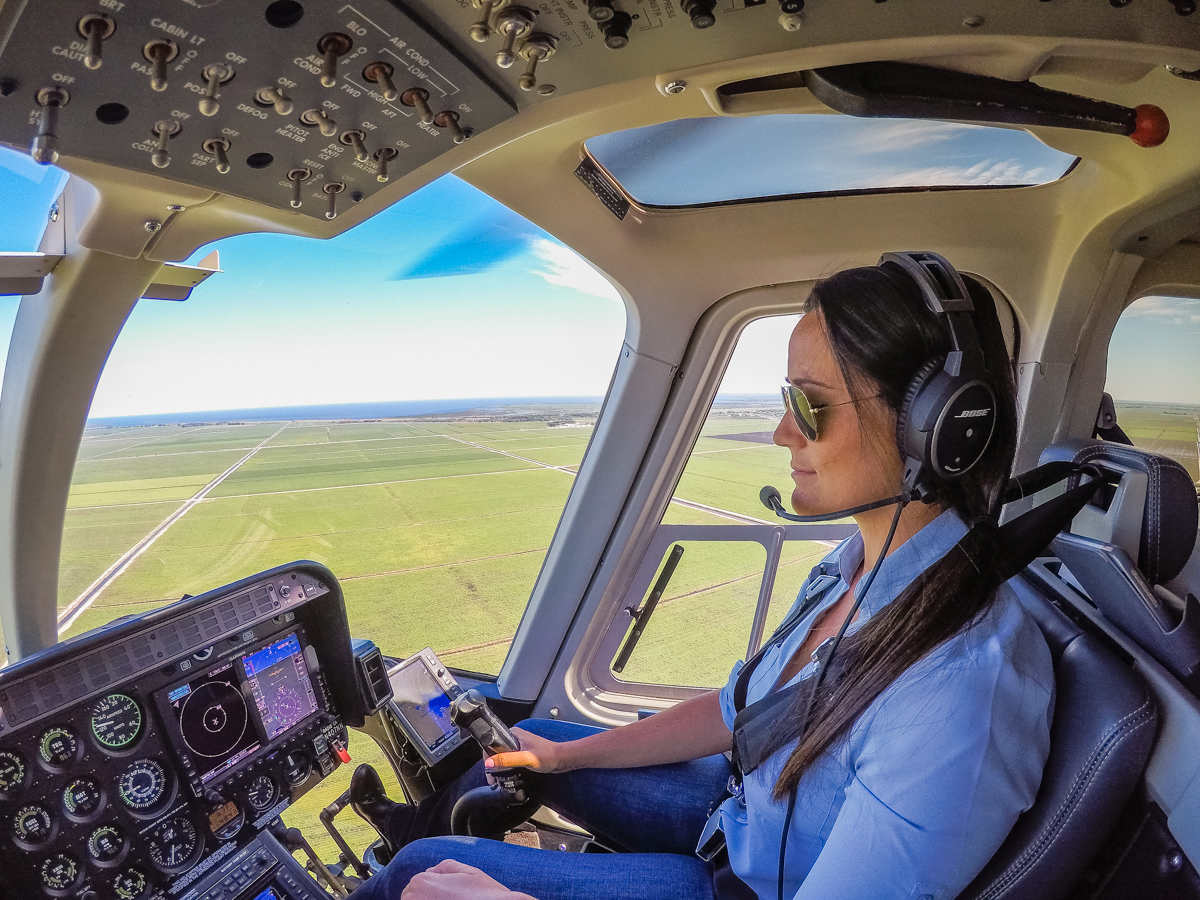
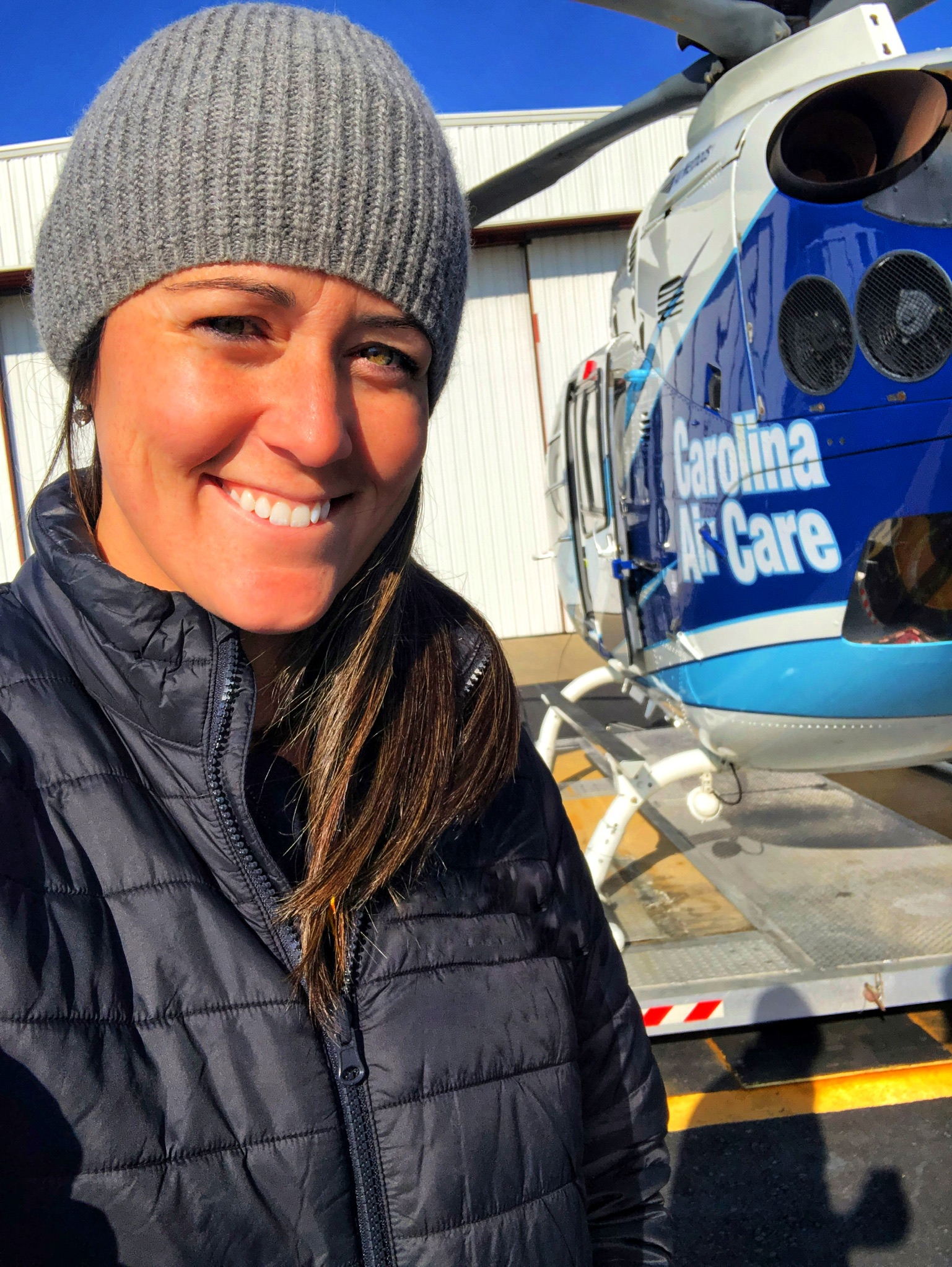
Jenn flies for Air Methods and the UNC Carolina Aircare program (University of North Carolina) and is coming up to four years of service. She loves this work and using her skills to do good for the community.
“We fly Medevac – anything from scene calls to interfacility transfers and NICU/Pediatric transports. My primary aircraft is an EC135T2+, and my secondary aircraft is a BH429.” Pilots work 12 to 14 hours, and the medical crews work 24-hour shifts.
“We are on-call for transport, meaning that, when dispatch contacts us, we have to flight-plan, fuel-plan, and check weather for the desired route in a matter of minutes. I really enjoy the fast pace and challenges of that type of environment. Every day is different, and we are always having to adapt to new circumstances and situations.”
“On top of that, I work with some of the most talented nurses and medics I have ever met. They inspire me to work hard and provide a stable environment so they can do their job in the back of the aircraft efficiently and effectively. I feel lucky to be able to come to work and help the people of North Carolina every day.”
Jenn agrees that it is as vital as ever for women in aviation to be visible since they represent such a small percentage. Throughout her career, she has looked to other female mentors and pilots to help mold herself into the professional she is today.
“I am proud to be a part of the 5%, and, at this stage in my career, I try to use my social media platform (@heli_jenn) to encourage and inspire future female pilots. I do my best to answer as many questions and direct messages as possible about getting into the industry in the hope that we can continue growing and nurturing that demographic.”
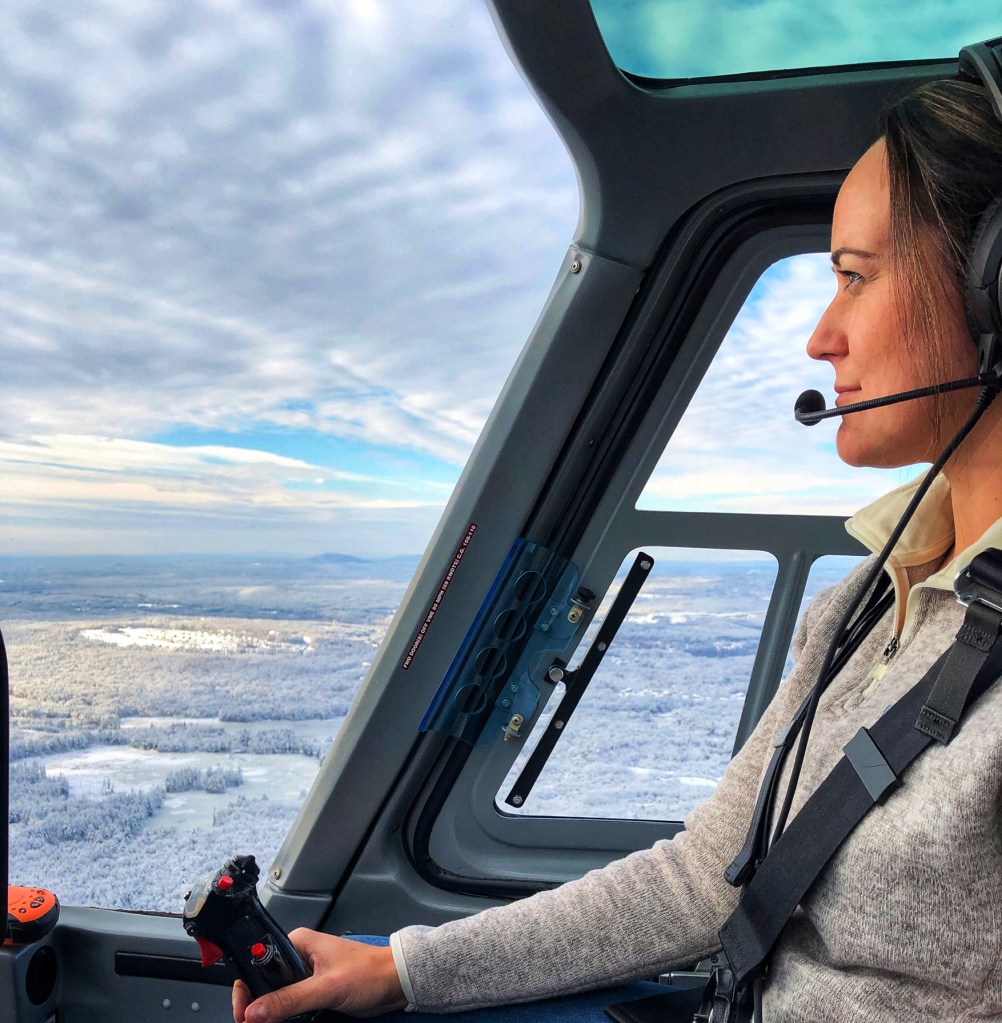
Jenn’s life has revolved around rotors; she has a lifetime of experience. Her advice for those who’ve been in the industry for longer? Keep your instincts sharp and your brain engaged.
“I firmly believe that as a professional pilot – no matter how long you’ve been in the industry or how many hours you have – you can always learn something new, whether it be new equipment, aircraft, or work environment. It can be tempting to become complacent and comfortable in your specific operation, but we must always strive to fight that urge. The best way to do that is with knowledge.”
First published in HeliOps Magazine – Issue 140 (Kia Kaha Media) in ‘A Greater View,’ a column profiling women in the heli industry
 Bronni Bowen