
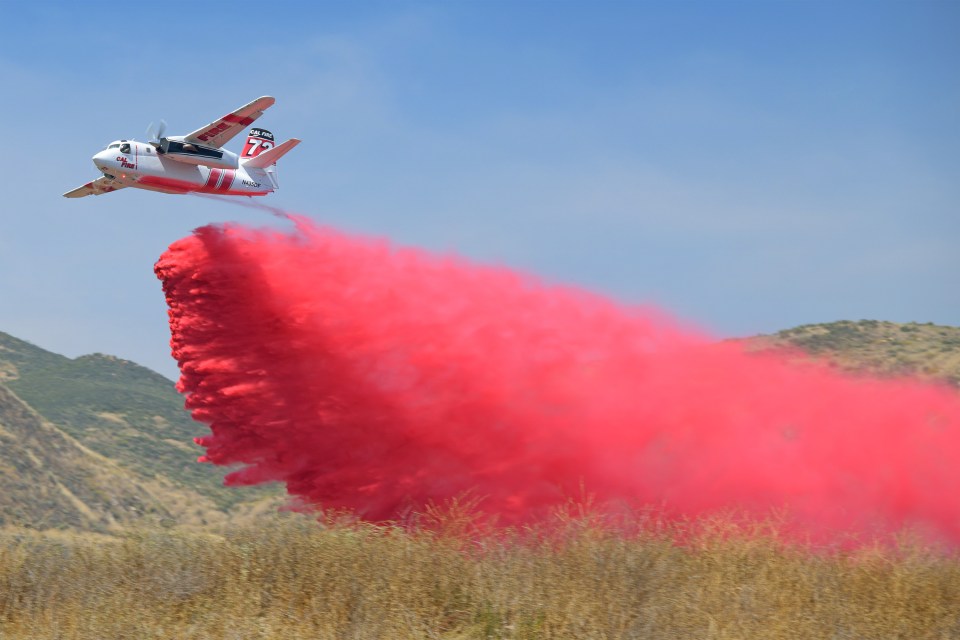
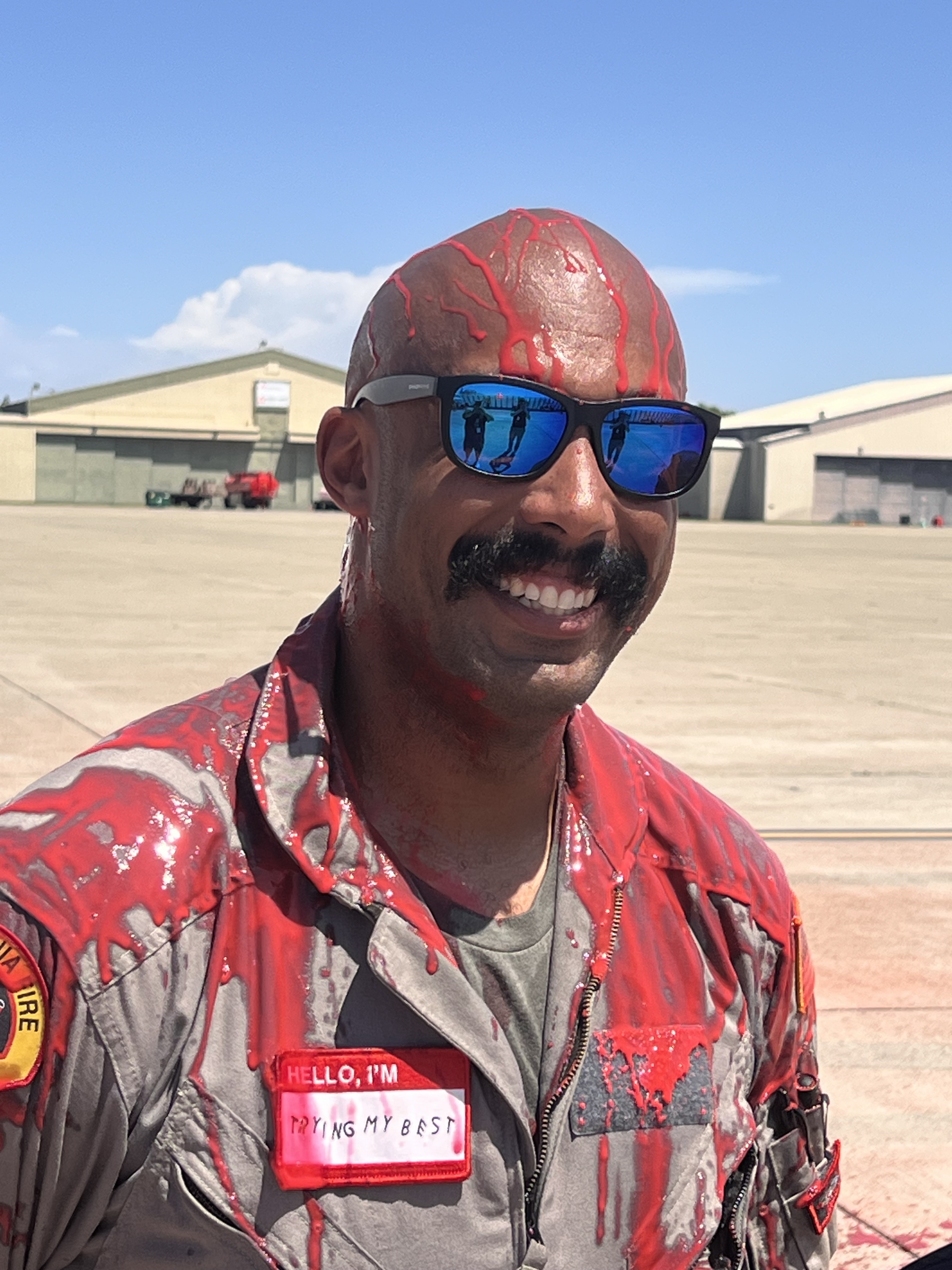
“When I was young, I wanted to be a firefighter or a pilot; now, I get to be both!” Scott Robinson grins.
“Dad took me to several airshows when I was a kid, and I fell in love with aviation. As we all know, aviation is an expensive endeavor, so that dream got put on the back burner while I pursued firefighting. After being a part of that world for a few years, I was finally in a position to make the switch to aviation, and it’s been all out ever since!”
Scott learned how to fly at Mike Smith Aviation in the Sacramento, CA area (they now operate the school out of Napa, CA). “It’s an amazing Part 61, Mom and Pop shop that prioritized the love of aviation, not just cranking out cookie-cutter students. When I showed up and expressed my desire to be a professional pilot, dedicating as much time as possible to that pursuit, they put a plan together for me and helped me execute it.”
“Learning how to fly was a dream. It’s obviously difficult, time-consuming, and expensive; however, my flight school owners and instructors kept the love of the game in the training and their eyes on the prize alongside mine. It seemed like every day that Kimberly and Mike (owners) and Sam (my primary instructor) were somehow even more excited to see me flying than I was, and it made all the difference. The emphasis on being a safe, effective, and professional pilot, combined with a genuine love for the world I was becoming a part of, made the challenges much less scary.

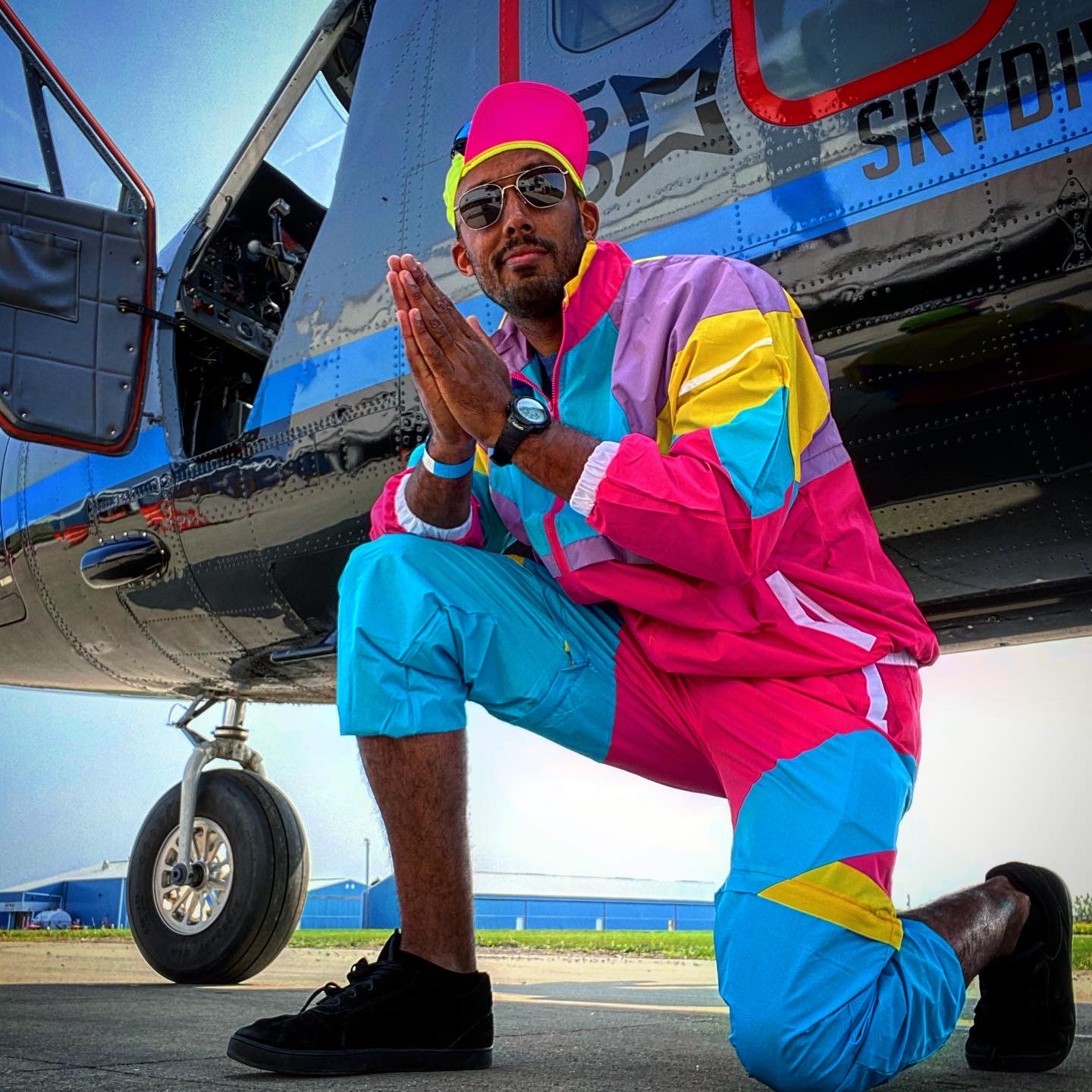

“My first flying job was at Skydive Midwest in Sturtevant, WI. A skydiver of eight years by that point, I was excited to stay within that world, and the comfort and familiarity of those operations made the adjustment period significantly less painful. I was extremely lucky to be given that opportunity – flying a Twin Otter as your first ‘work plane’ is definitely not a normal pathway.”
“The initial ‘what jobs am I even qualified for’ dilemma proved very difficult. You have a brand-new Commercial Pilot certificate but not enough hours to apply for many jobs. It’s a huge hurdle on the road to the professional pilot dream, and again, I was fortunate enough to have people who believed in me and provided me with opportunities to capitalize on. From the owners at Skydive Midwest, who trusted me with their jumpers and their aircraft, to firefighting pilots who took time to mentor me and help clear out the path ahead mentally, I’ve had so many people in the industry help me along the way to achieve my dream of flying tankers.”
“After flying jump planes, I made the switch to flying fire and worked for Courtney Aviation out of Columbia, CA. They fly Commanders on Air Attack contracts with the US Forest Service and CAL FIRE. It was an amazing intro to the firefighting world. They contract training ships for ATGS (Air Tactical Group Supervisor) trainees, which provided a great environment to see a lot of fire and learn alongside the firefighters taking the next step in their careers. It also led me to make the connections and gain the experience to get hired as an Air Attack pilot and eventually become a Tanker pilot at CAL FIRE.”
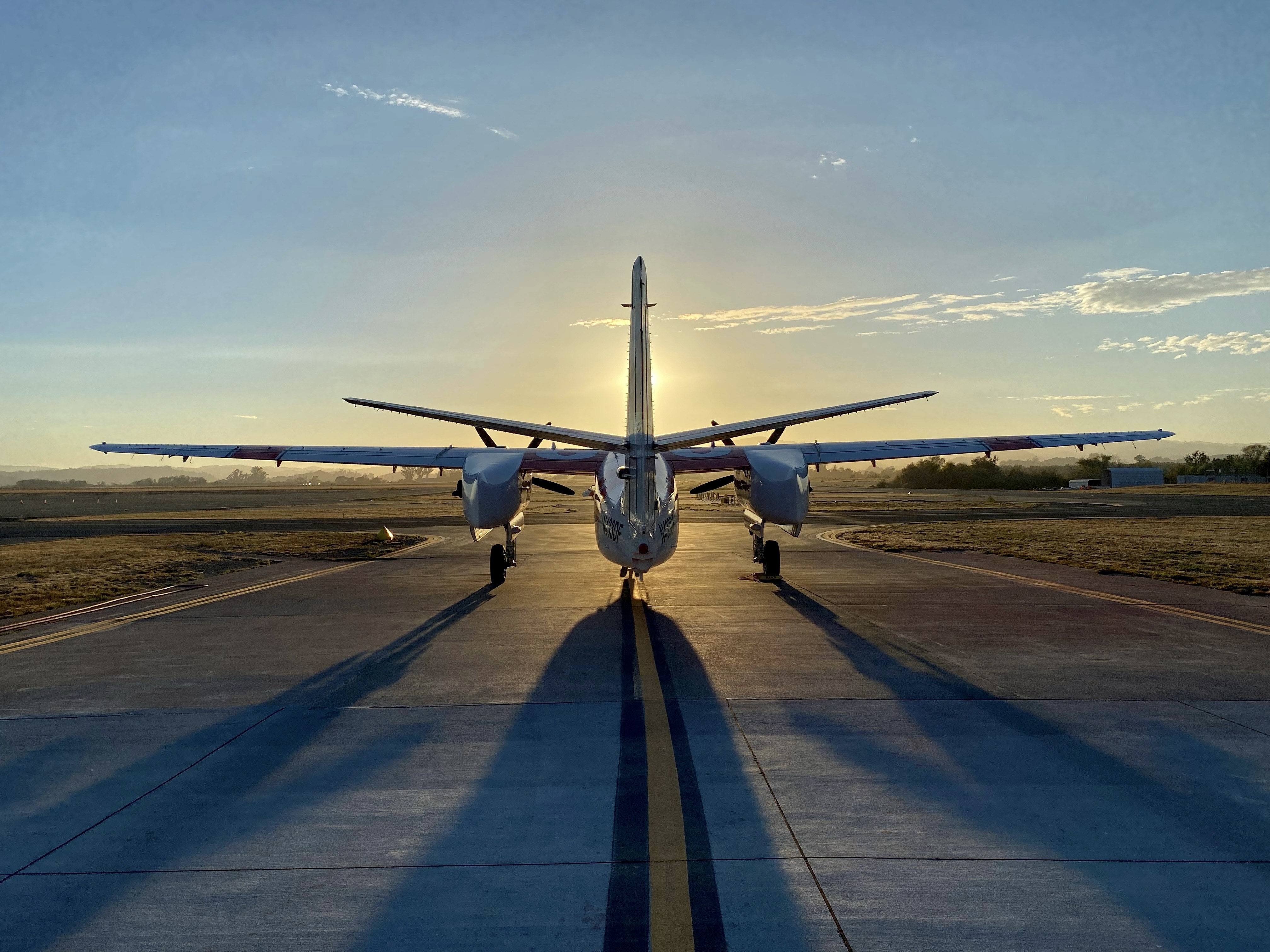
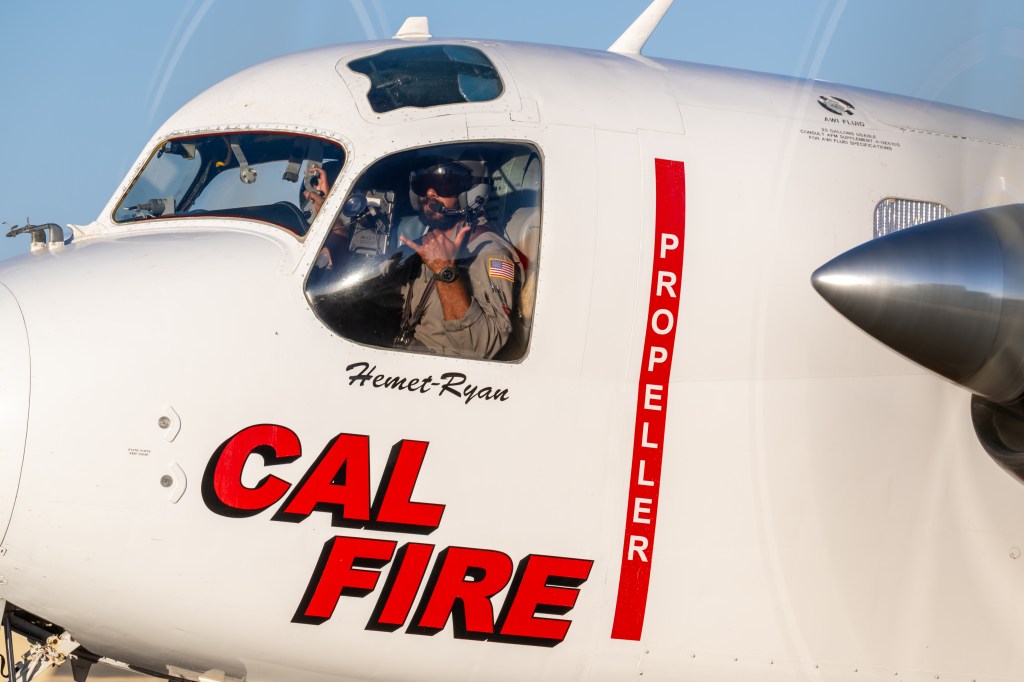
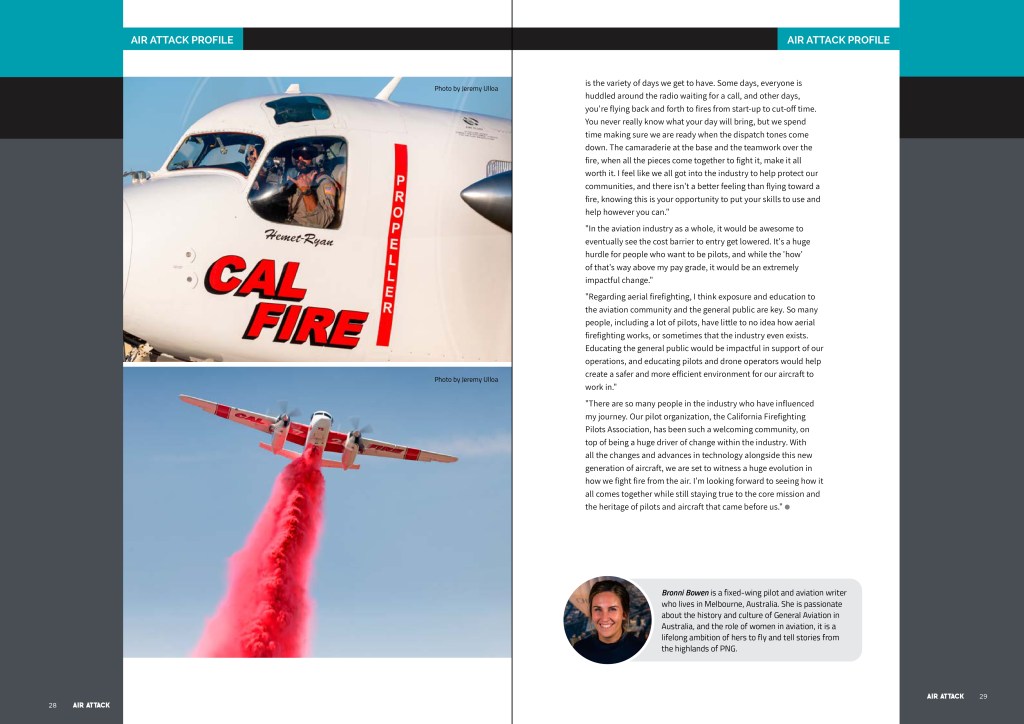
“Today, I’m a pilot for a company called Amentum, which contracts with the state of California (CAL FIRE) to operate their fixed-wing firefighting aircraft. My first role with CAL FIRE was as an Air Attack pilot in the OV-10 Bronco, after which I was able to bid for a slot in the tanker trainee program. I have just completed the training program and am now an Initial Attack carded Tanker Pilot for CAL FIRE, flying the Grumman S-2T. It’s the role and airplane that first made me start down the path in aviation, and truly a dream come true.”
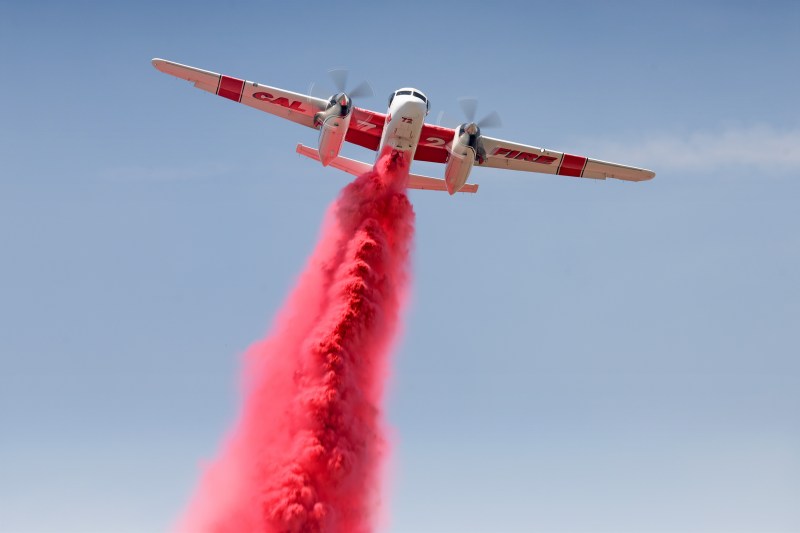
“A big part of why I love my job, and Aerial Firefighting in general, is the variety of days we get to have. Some days, everyone is huddled around the radio waiting for a call, and other days, you’re flying back and forth to fires from start-up to cut-off time. You never really know what your day will bring, but we spend time making sure we are ready when the dispatch tones come down. The camaraderie at the base and the teamwork over the fire, when all the pieces come together to fight it, make it all worth it. I feel like we all got into the industry to help protect our communities, and there isn’t a better feeling than flying toward a fire, knowing this is your
opportunity to put your skills to use and help however you can.”
“In the aviation industry as a whole, it would be awesome to eventually see the cost barrier to entry get lowered. It’s a huge hurdle for people who want to be pilots, and while the ‘how’ of that’s way above my pay grade, it would be an extremely impactful change.”
“Regarding aerial firefighting, I think exposure and education to the aviation community and the general public are key. So many people, including a lot of pilots, have little to no idea how aerial firefighting works, or sometimes that the industry even exists. Educating the general public would be impactful in support of our operations, and educating pilots and drone operators would help create a safer and more efficient environment for our aircraft to work in.”
“There are so many people in the industry who have influenced my journey. Our pilot organization, the California Firefighting Pilots Association, has been such a welcoming community, on top of being a huge driver of change within the industry. With all the changes and
advances in technology alongside this new generation of aircraft, we are set to witness a huge evolution in how we fight fire from the air. I’m looking forward to seeing how it all comes together while still staying true to the core mission and the heritage of pilots and aircraft that came before us.”


First published in Air Attack Magazine Issue 41
 Bronni Bowen