
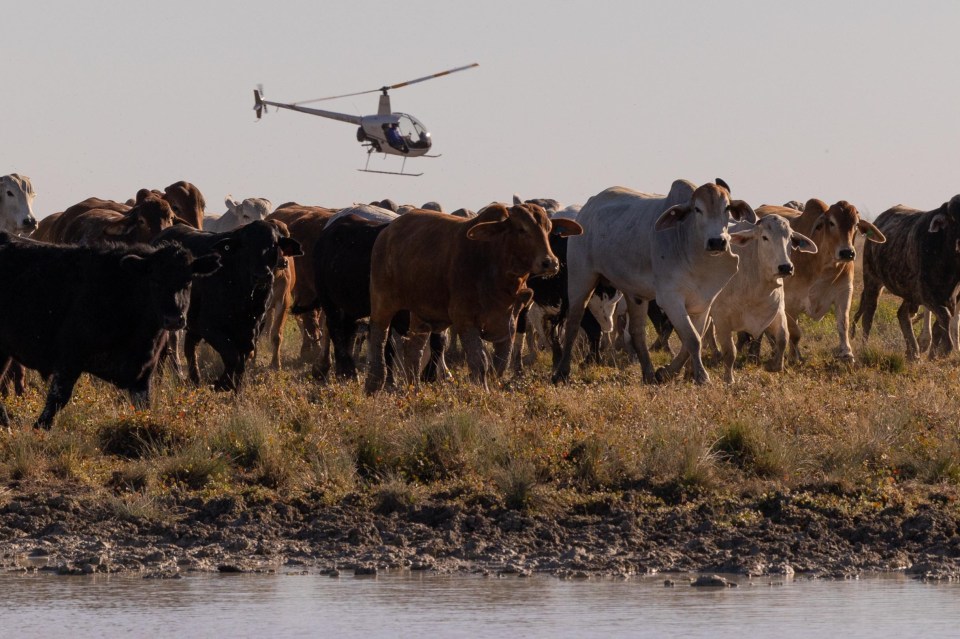
Kingsley Moore’s daily life is a streaming montage of chopper blades, Brahman bulls, red dust, and dirt bikes.
He settles so comfortably in the seat of the Robbinson 22, dust on his jeans and his face, you’d think he was born doing this. But Kingsley grew up on Australia’s metropolitan east coast, where skyscrapers press against the long, golden beaches, and it is easier to fall in with the wrong crowd at a young age.
“It was my dad and his wife who mentioned the opportunities out here. They didn’t force it on me – they said no pressure; maybe just try a month or three. Anyway, those three months turned into almost a decade in the ag force, and I never really looked back. It was pretty incredible how I went from one extreme to the other.”
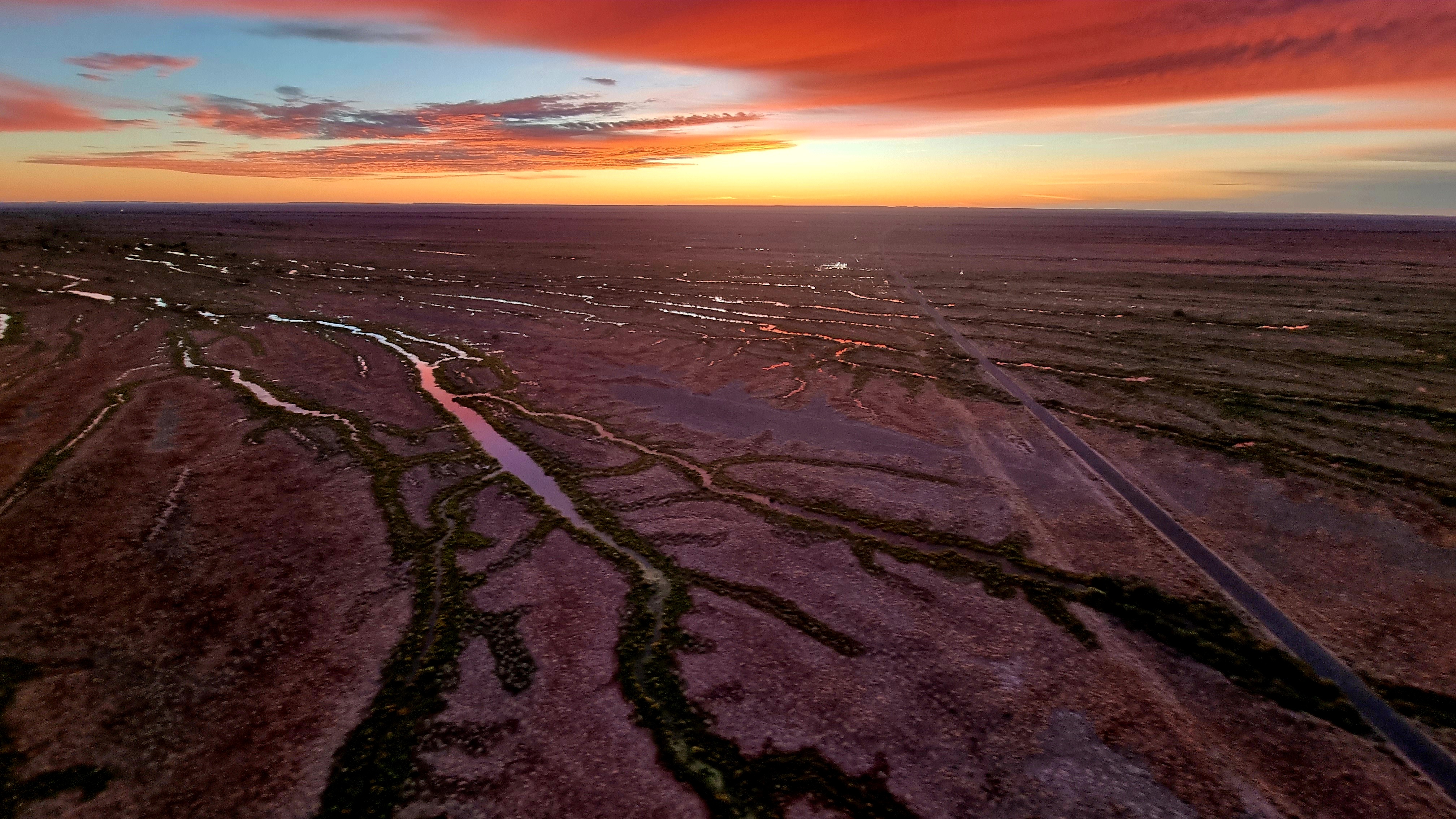
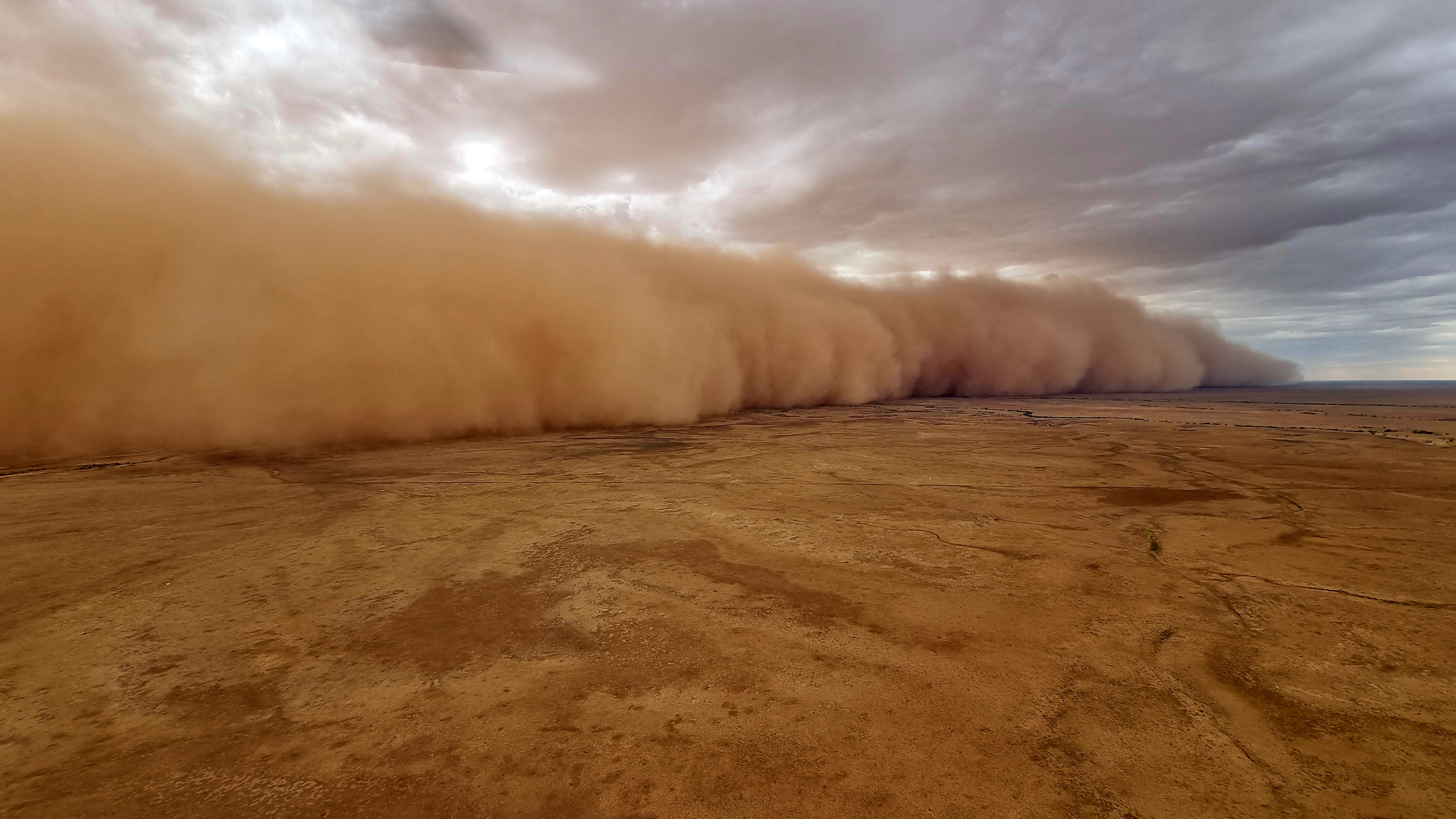
The big cattle stations in northern Australia are hot and dry and stretch away for thousands, sometimes millions, of acres. But after the floods of the wet season, everything goes bright green. Kingsley remembers that first drive in, tracking up along the ridge. “It was gorgeous. Once we hit the peak, I looked down and saw the big creek system and the homestead and all the horse paddocks down the back. I thought it was like a movie.”
Before that, aviation had never been a consideration for Kingsley. “Being so young and missing guidance, I was pretty narrow-minded. I was pretty knocked down from my upbringing. I thought I’d never be good enough for anything like that.”
But the dream was awakened in that first week at Keeroongooloo Station. “The manager, David Cross – Crossy – came up to run the horses in with the heli. We couldn’t get around on a motorbike because it was still so wet, so I ran up to him like an excited little kid and said, ‘Oh, can I come for a fly?’ And he let me get in.”
“Off we went, and I was just sitting in that thing, over the moon to be there. I wasn’t even looking for horses! I remember thinking, ‘I would love to do this one day.’ After that, working underneath them every year, the passion grew stronger and stronger.”
But Kingsley’s old demons would rear their heads again, circling, repeating. “The costs and the thought of not being good enough… you know, that general mindset. It was always the limiting factor holding me back.”
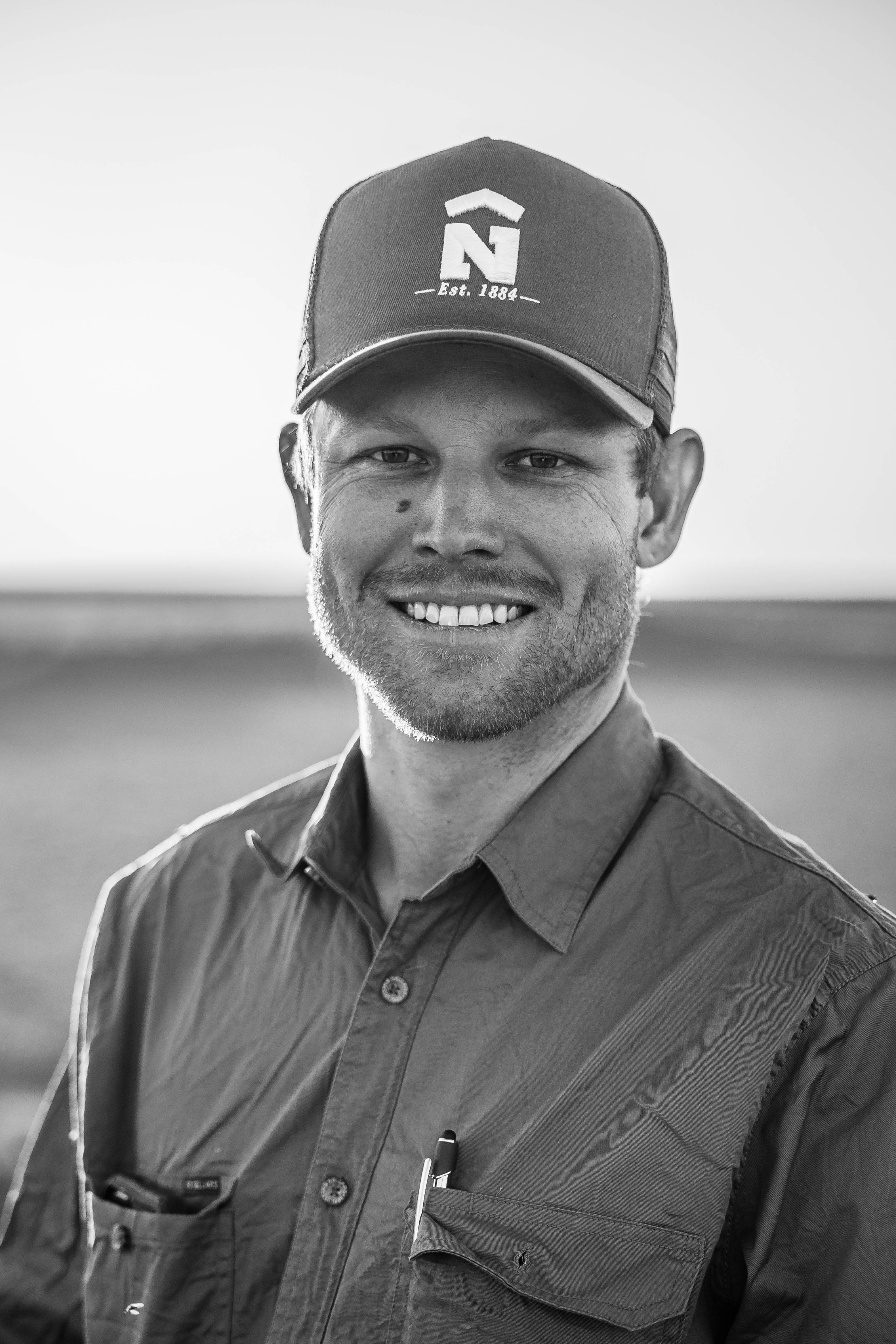
The manager was an incredible stockman, born and bred – he knew the land like the back of his hand. “Incredible chopper pilot, as well. He was very big on us being able to ride a horse – and I’m not saying sit on one and bum trot around the paddock; I’m talking about actually being able to ride a rough horse. And if he called you out on the motorbike mustering, you had to be there.”
Kingsley had to realize it all firsthand, and it’s why he now describes aerial mustering as an apprenticeship. He may not have known it then, but he’s since learned that some of the best mustering pilots start in the saddle, on the other end of the UHF.
A few years into station life, Kingsley decided being a ringer wasn’t for him, and this conscious decision fortuitously moved him into an area he did love: operating machinery. “We were running a couple of loaders for desilting dams, clearing fence lines, pushing up roads – all that kind of stuff. It was awesome. I was running that and also looking after the camp at the time, so that turned into a massive year.” He was 23, and that’s how he finally earned enough money to go and pursue his private heli license.
But when he arrived at Townsville Helicopters to begin training, Kingsley found out about HECS (Australian government educational loan assistance) as a viable option to get him all the way to commercial. “I thought, ‘S*** yeah, why wouldn’t you?'” Six months later, he walked away with his commercial license.
“Take the debt side of things how you will, but it’s meant I’ve been able to make a serious career out of flying. I reckon it’s the best thing, and I highly suggest going down that path if you’ve got the passion and integrity to follow through.”
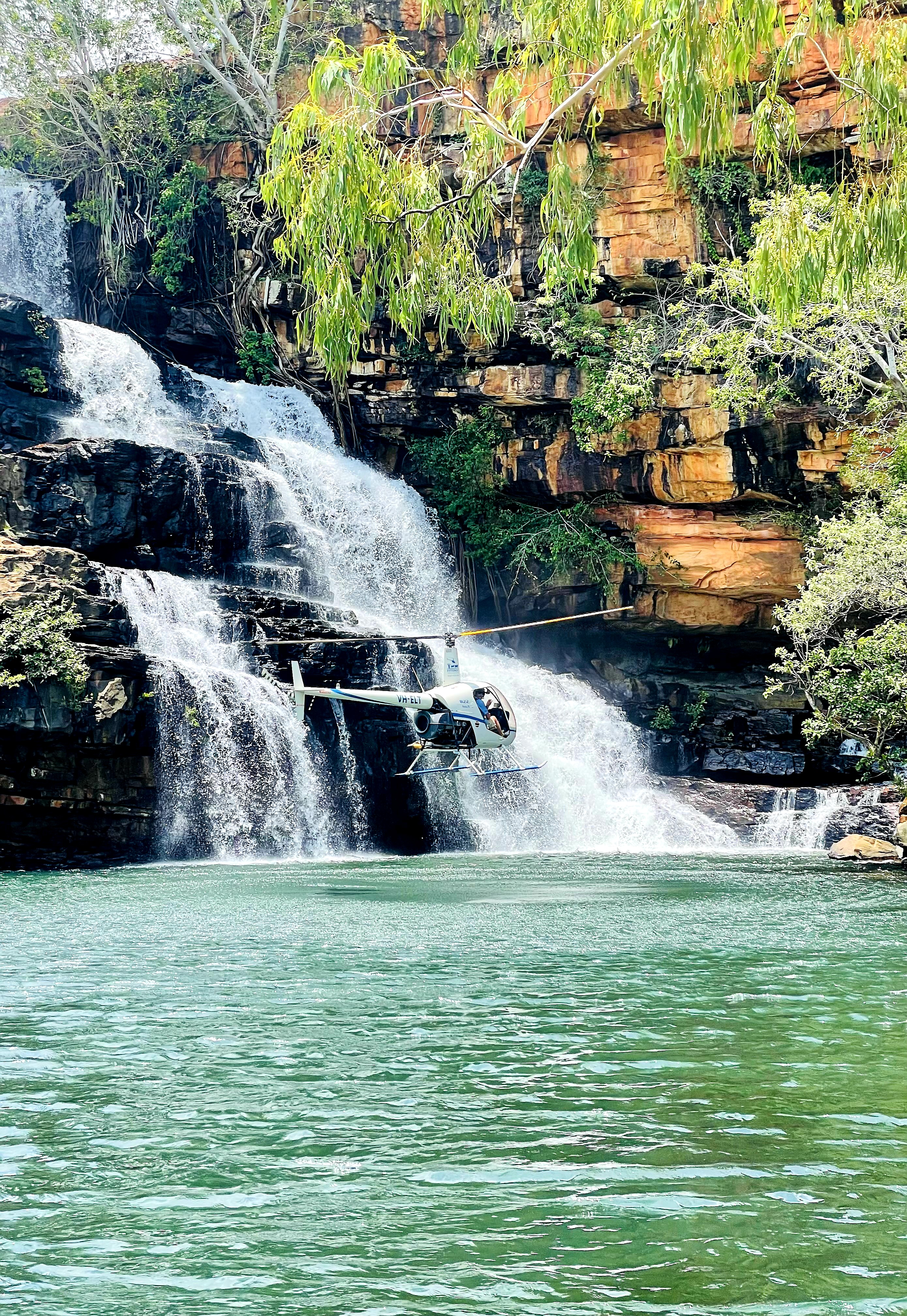
By this time, Kingsley had spent over nine years in outback Queensland and the wilds of the Northern Territory. Much like Patsy Durack of Kings in Grass Castles, Kingsley felt Western Australia was the place to go next. “I was overdue for a change, so I rang every man and his dog looking for a job.”
“I ended up getting on to a fella who was based out of Broome in WA and got my start with him. That was a great experience – I got some good hours and to see some incredible country.” Kingsley also did his fair share of hangar time, as all good junior pilots must. “I’d putt around, make sure the helicopters were clean and ready for the next day, and help out where I could. But I think it was six or seven hundred hours for my first year flying, and I was only there for six or seven months.”
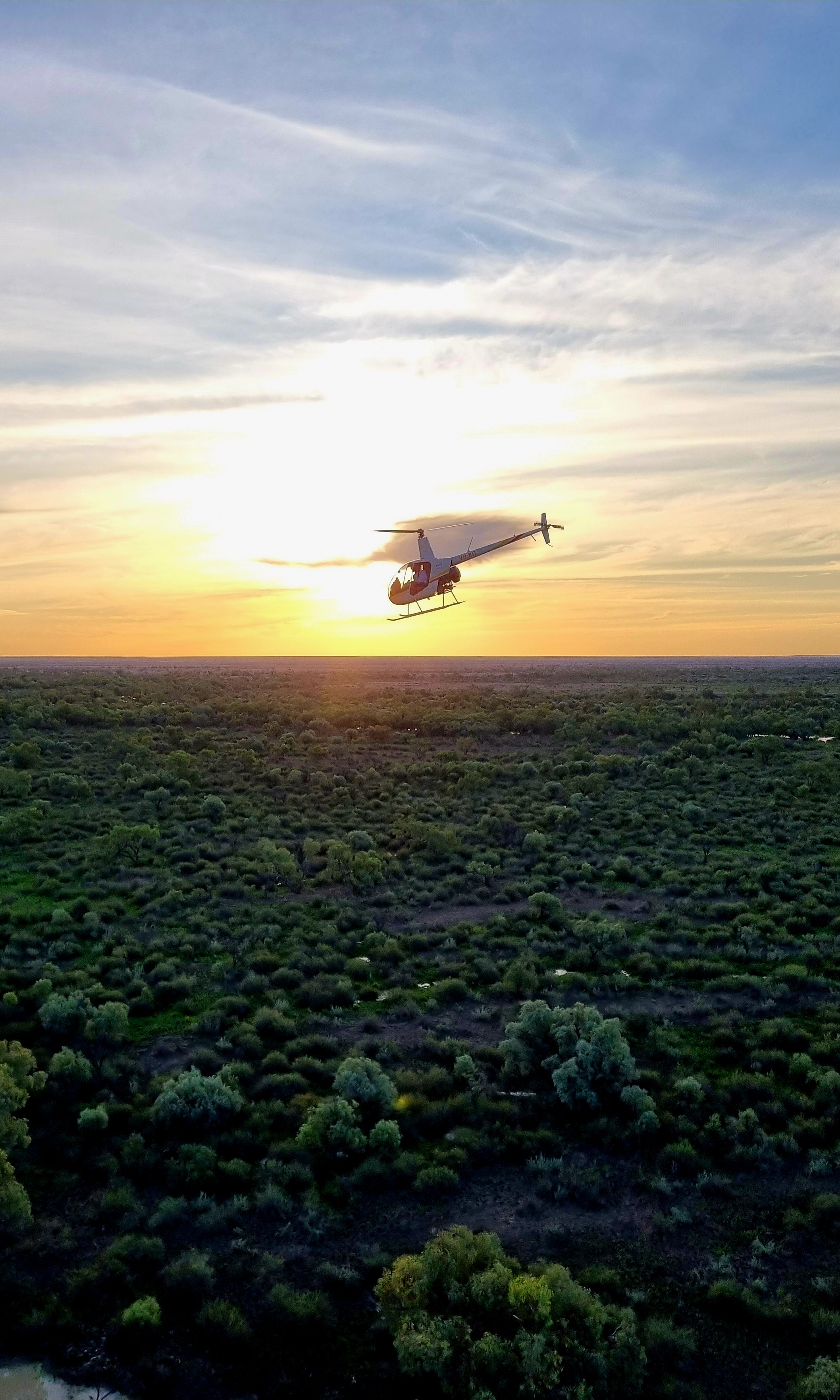
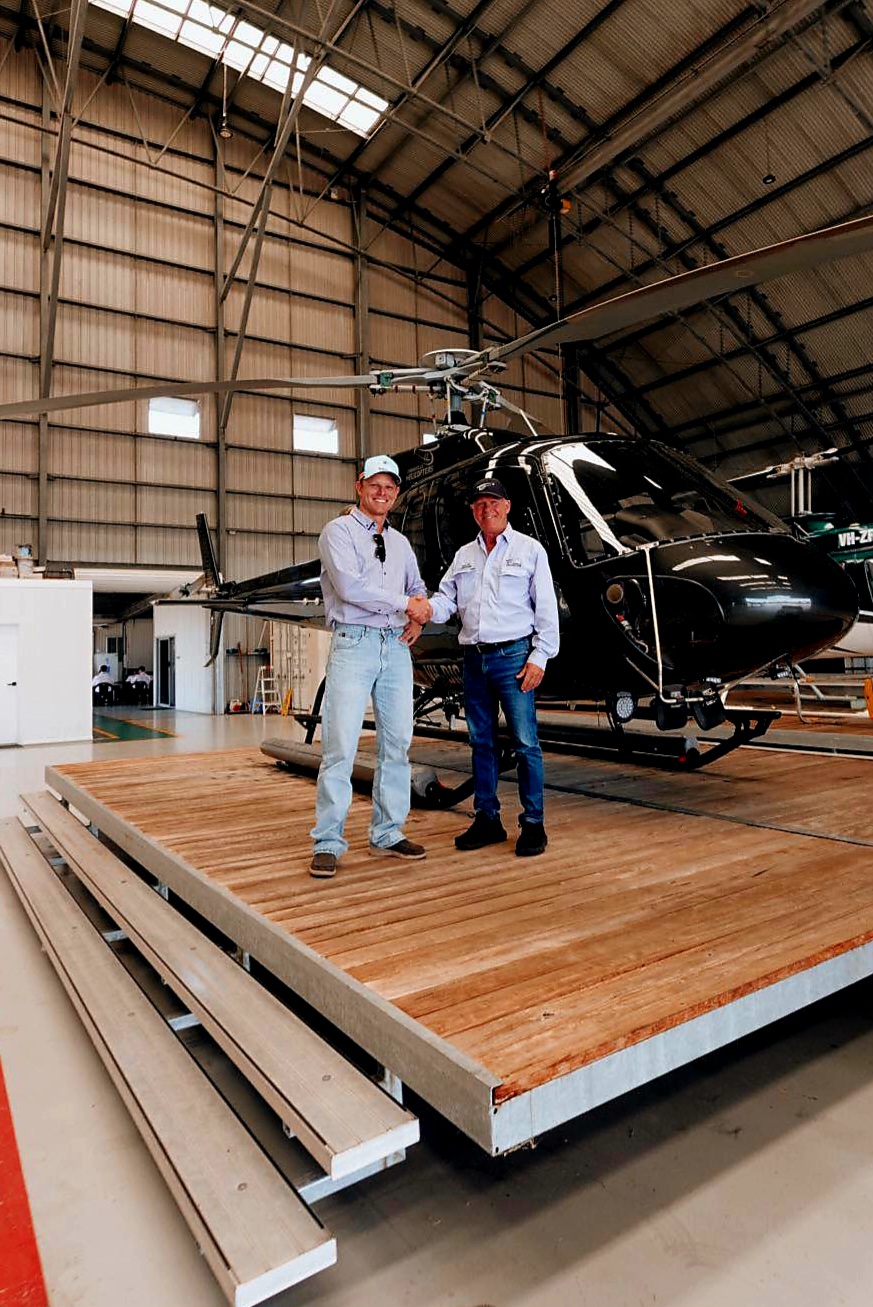
Aerial mustering is a uniquely Australian activity that uses small rotary aircraft to locate and concentrate livestock and move them to desired locations by means of low-flying and deft manoeuvring. “The Robbies are certainly our go-to and have been for years. Can’t beat their versatility and efficiency. Although, I have developed a bit of a soft spot for the Squirrel AS-350, being such a workhorse yet classy enough for corporate use,” Kingsley muses.
Up north in the sparsely settled Kimberly – cattle king country from as early as the 1880s – the mustering pilots wield serious aerial experience and an earnest flying culture. “They get all the cowboy out of you there – the throwing the machines around and all that stuff. Because, at the end of the day, we can all do that. It’s the fine-tuning, the slow-flying around, that a lot of mustering pilots aren’t disciplined in. It was good of them to take me under the wing and teach me their stockmanship and airmanship.”
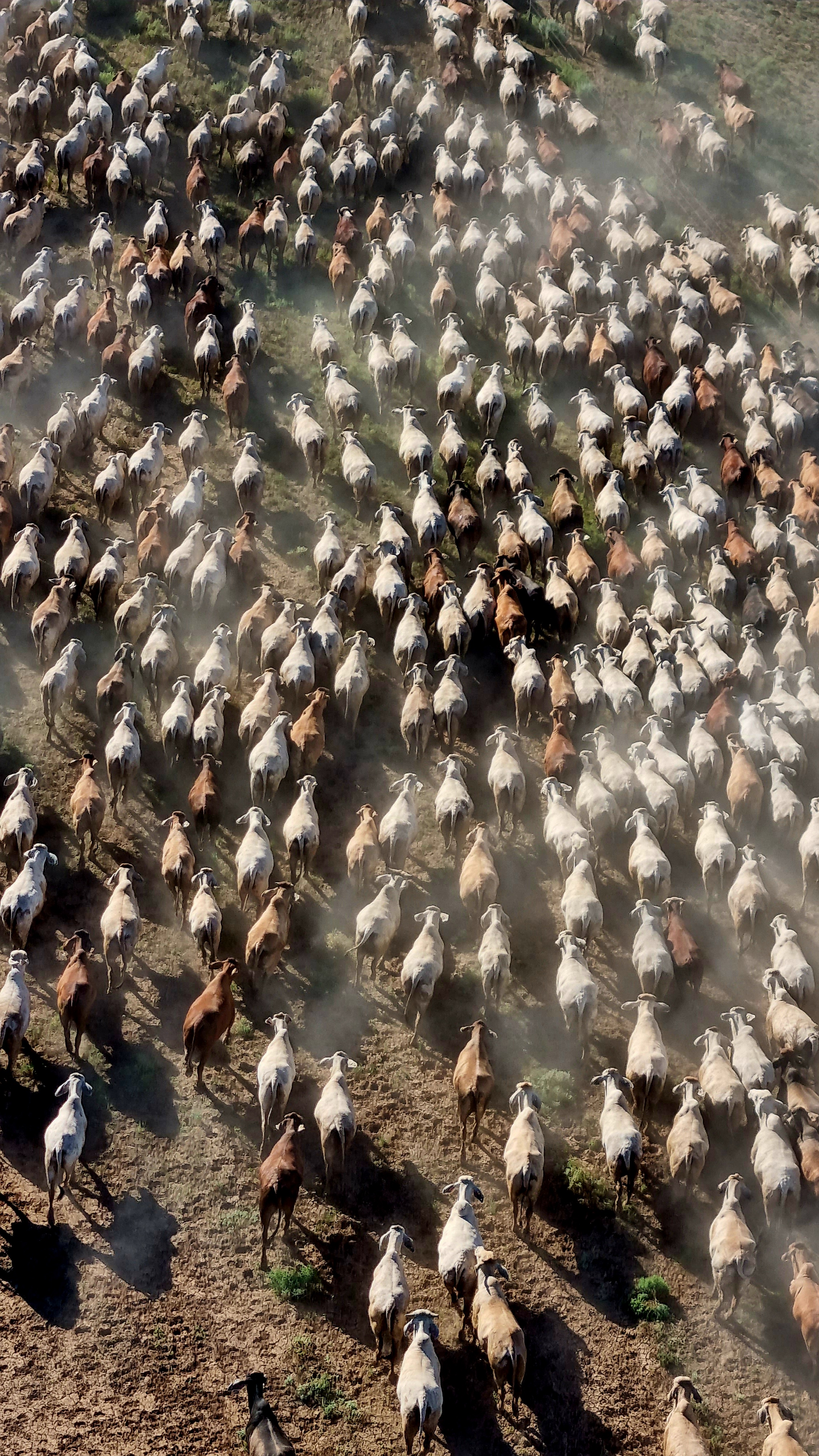
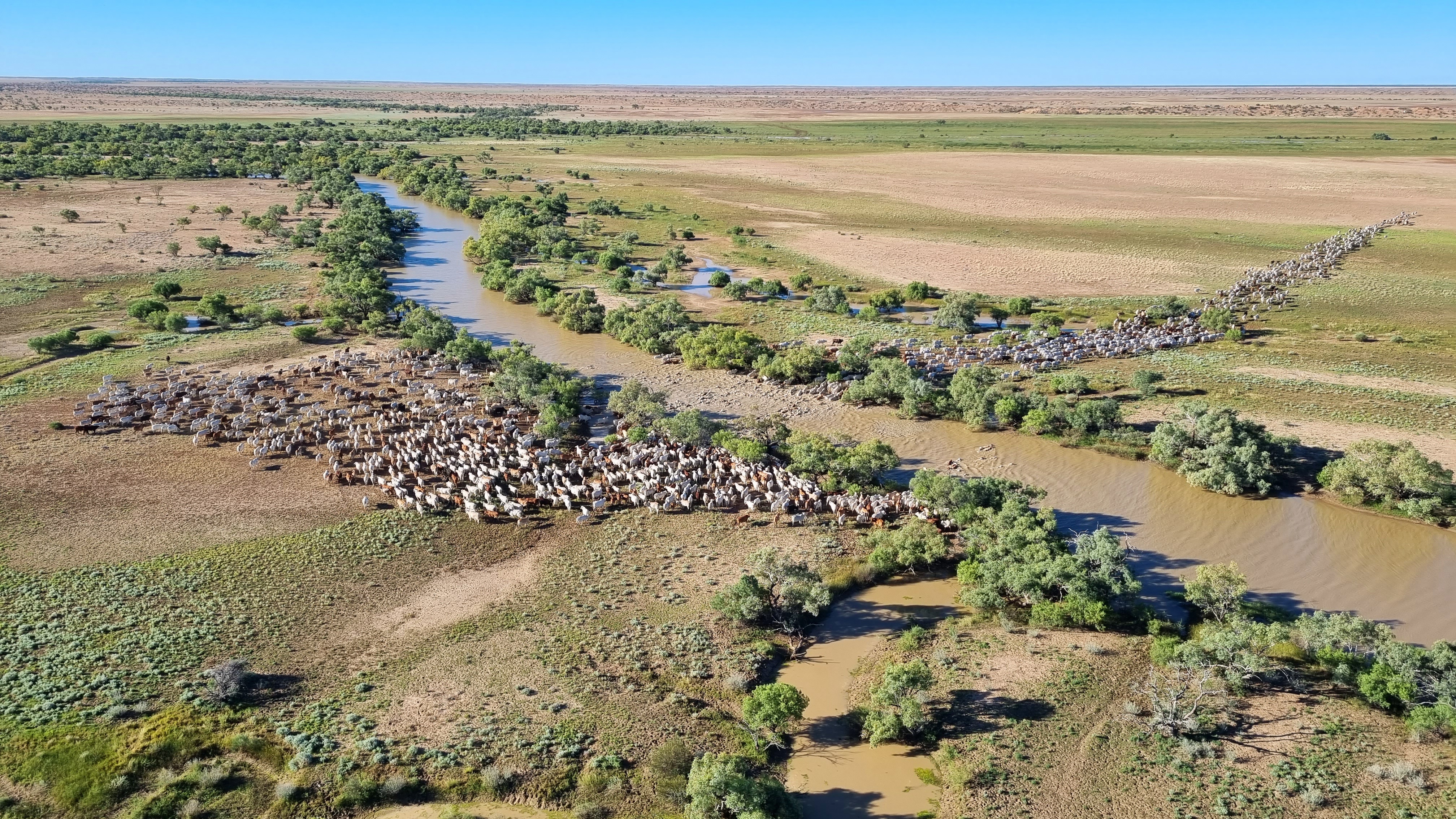
Kingsley wheels in the sky alongside flocks of Kites and other birds of prey, stirred up by churning rivers of cattle with long curtains of bulldust streaming away to the side. These are scenes he also loves to capture through the lens of his camera – and he’s as good a shot as he is a pilot.
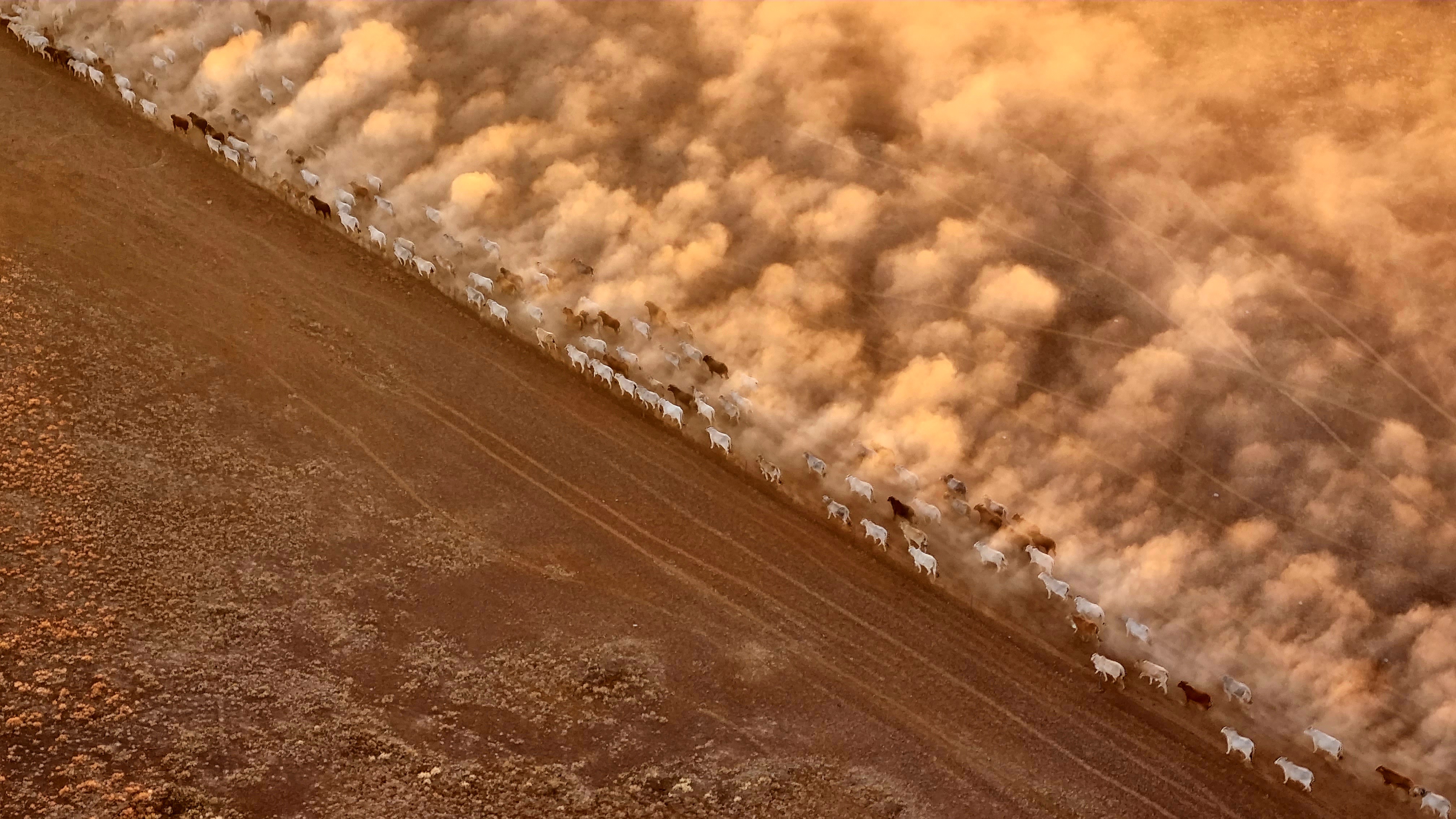
“Witnessing and sharing the vast and untouched landscapes of the Australian cattle country is very rewarding, and the places you visit and the variety of people you meet certainly give me a good reason to wake up in the morning.”
However, many challenges beset a mustering pilot, such as feral cattle, isolation, and rough terrain. Sector risk statistics from years past are not exactly favourable, given that most of the time, pilots are mere moments away from impact in case of emergency or distraction. “But not every job is a breeze, hey?” Kingsley chuckles.
Last year, it was back to the Channel Country – the old stomping grounds – for another huge six-month season there. Then, with nearly 5,000 hours in the mustering industry, Kingsley stepped into the turbine world and became a certified flight instructor. He’s currently based in Mt Isa as a line pilot for Borderline Helicopters, servicing North and Central-west QLD throughout the peak of the mustering season.
“I certainly have ambitions to move into bigger aircraft and further my skills and qualifications, eventually,” Kingsley says. “Utility work such as firebombing and precision long-lining are in my line of sight.”
Then he laughs and winks and says, “Although – if Red Bull reads this – I’d divert in a heartbeat!”
Originally published in HeliOps Magazine Issue #151
 Bronni Bowen