“When asked how I became a heli pilot I often reply, half-jokingly, ‘It was the only option left for me – I was bad at everything else,'” Maxim laughs. “But there Is some truth in it. I didn’t perform well in high school, let alone university.”
“The school benches totally lost me, so I started looking for a job instead. After a number of silly jobs, I started with an airline company, initially as a check-in and boarding agent, then as a load controller. I had absolutely no prior knowledge of aviation, but it made traveling the world so much easier and cheaper that I stuck with it for a few years.”
In his mid-twenties, Maxim realized he wanted to do something ‘more fulfilling’ with his life and remembers a chat with an uncle, an airline pilot. “From the stories I heard growing up, he had always been the rebel of the family, and a real troublemaker until he joined the military and became a fast jet pilot. He told me, ‘Mate, become a pilot. You’ll keep your freedom, and you’ll enjoy it.”
Maxim replied, “Maybe, but for me – helicopters. Fixed-wing sounds boring.”
“Taking all this into account, you can imagine it was not easy to convince people of my new plan. So my only option was to take it step by step and prove myself; first, by obtaining a Private license while continuing to work full-time.”
“I initially took on the theory, as it would not have been as much of a financial loss if I failed – which I thought was likely. It went well! In a few months, I had a theoretical pilot license – although I had not flown anything yet. Then I started realizing my plan might actually work out, and I was lucky enough that my parents offered me their complete confidence and additional financial support.”
After completing his private license, Maxim followed the process again for ATPLs: first pass the theory, and only then commit to flying. He stepped back at work and made himself a target of studying a minimum of two hours per day. Exactly one year later, he passed all his exams with ease, which surprised him, though perhaps it shouldn’t have – his progression chart showed only ten days without studying that year. That’ll do it!
“My career feels like a series of educated guesses. After finishing my CPL(H), I invested in an EC120 type rating. Turbine experience is vital to get further up. A local company operated this type, and the day after my skill test, I started freelancing for them. Sightseeing tours, VIP and photo flights… It turned out to be the right choice.” It wasn’t enough to provide a livable income, so Maxim worked side jobs in a climbing shop and a travel agency besides flying.
“Finding the right work-life balance was challenging as I had to drop everything when being called for a flying task. I felt that I couldn’t risk saying no two times in a row, that I wouldn’t be called anymore if I did.”
“Two years later, I faced another challenge: finishing my IR. I decided to do it in the EC135 – a bit more expensive, but that same company I was working for agreed to let me fly theirs, so at least the type rating resulted in some extra ME hours.”
Things moved rather quickly then. Thanks to the warm recommendation of one of his examiners, Maxim was hired as FO on a super yacht operation in the Middle East. “That was the big game changer. An H145 type rating, offshore experience, night, flying MP… It was the perfect entry into the market, and on a side note, a crazy environment to witness.”
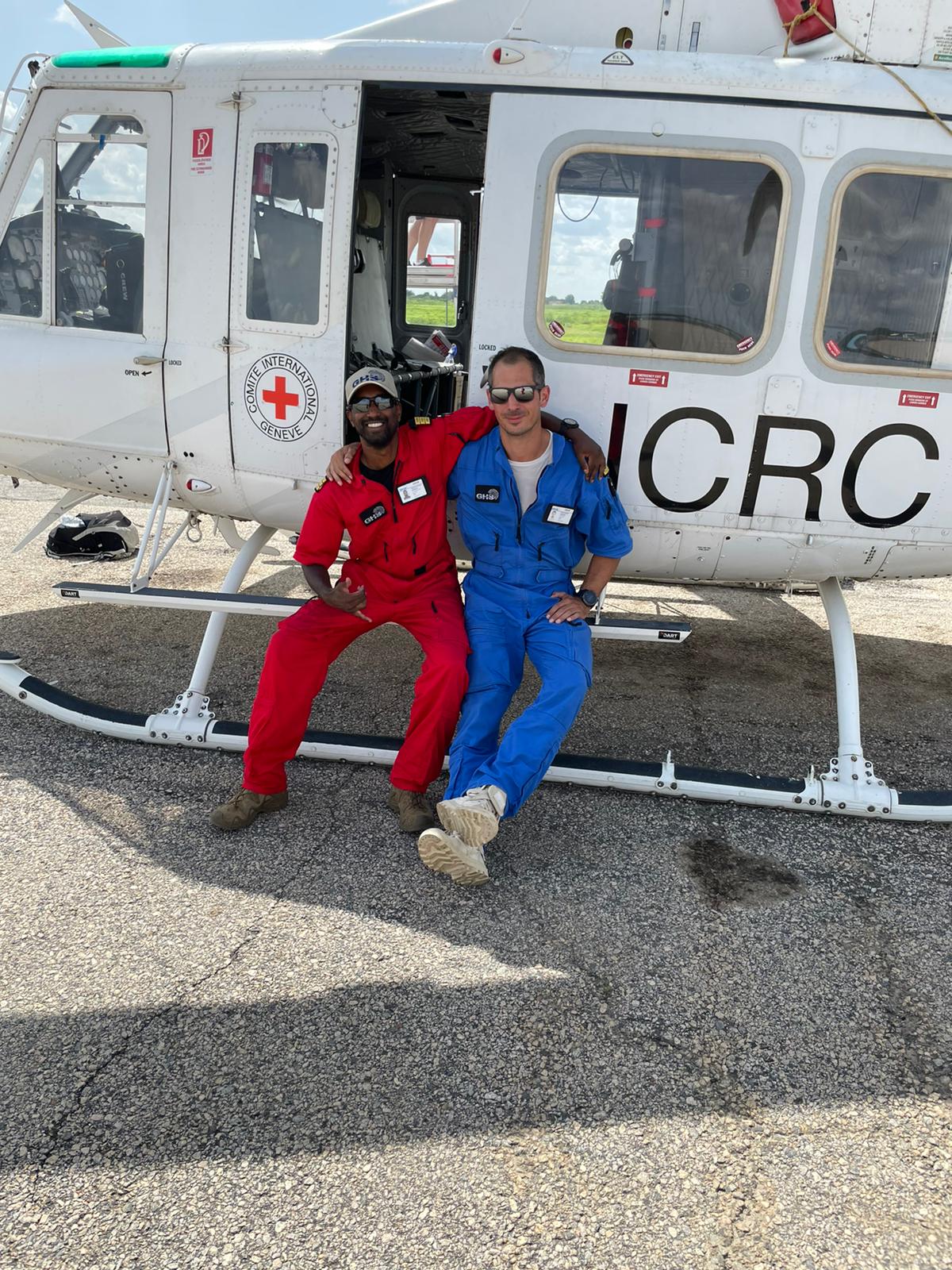
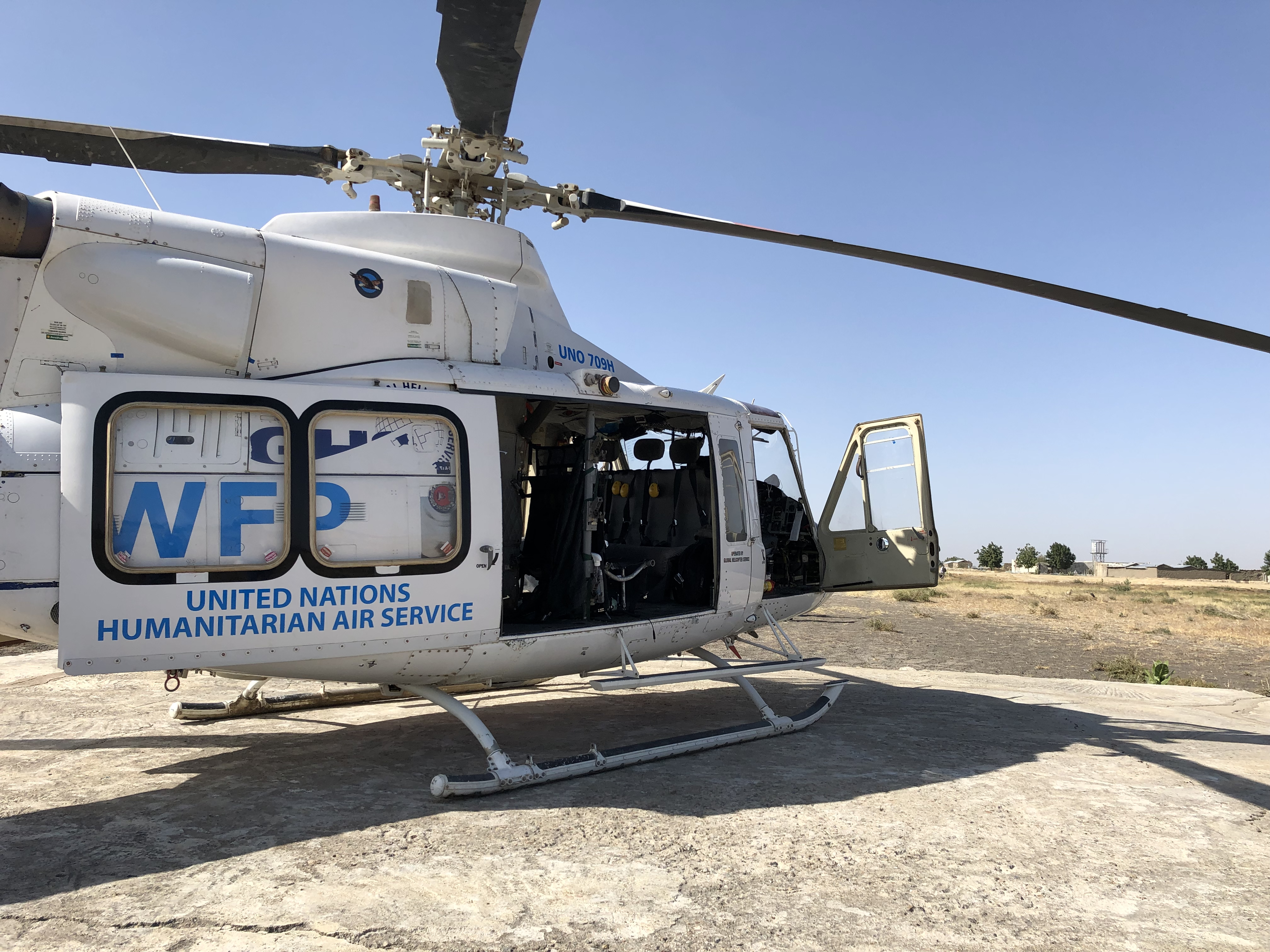
“After the super yacht operation, I felt like getting my karma back into balance, so decided to work for the UN World Food Programme. Flying in support of refugee camps in a war zone was a whole different ball game. Talk about culture shock – I went from one extreme to the other, from ludicrous luxury to dodging bullets.”
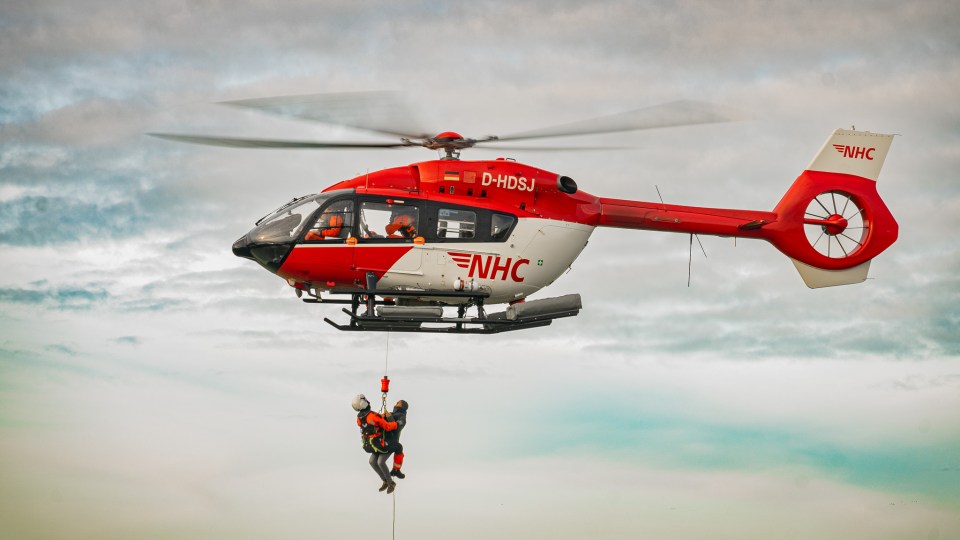
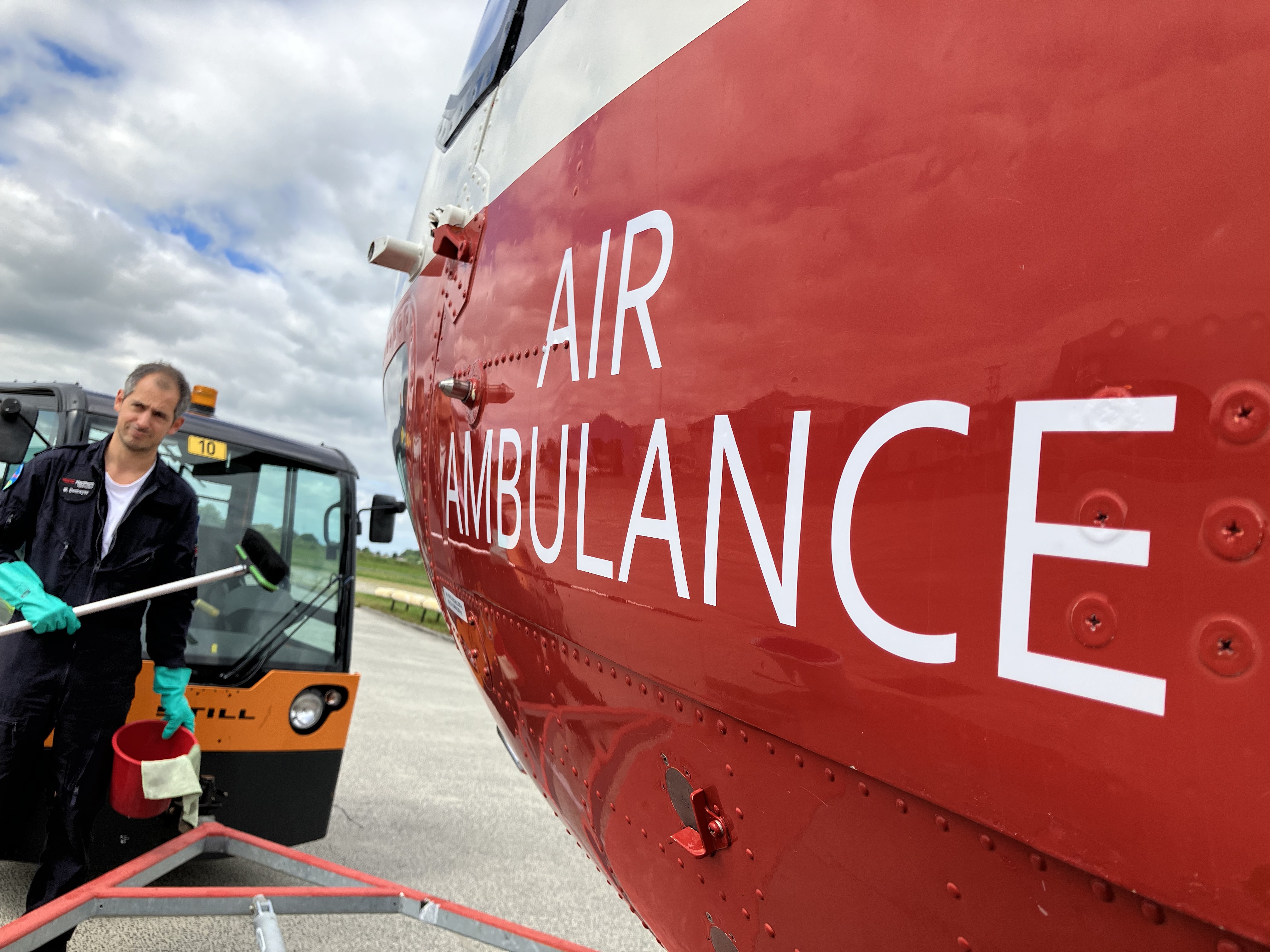
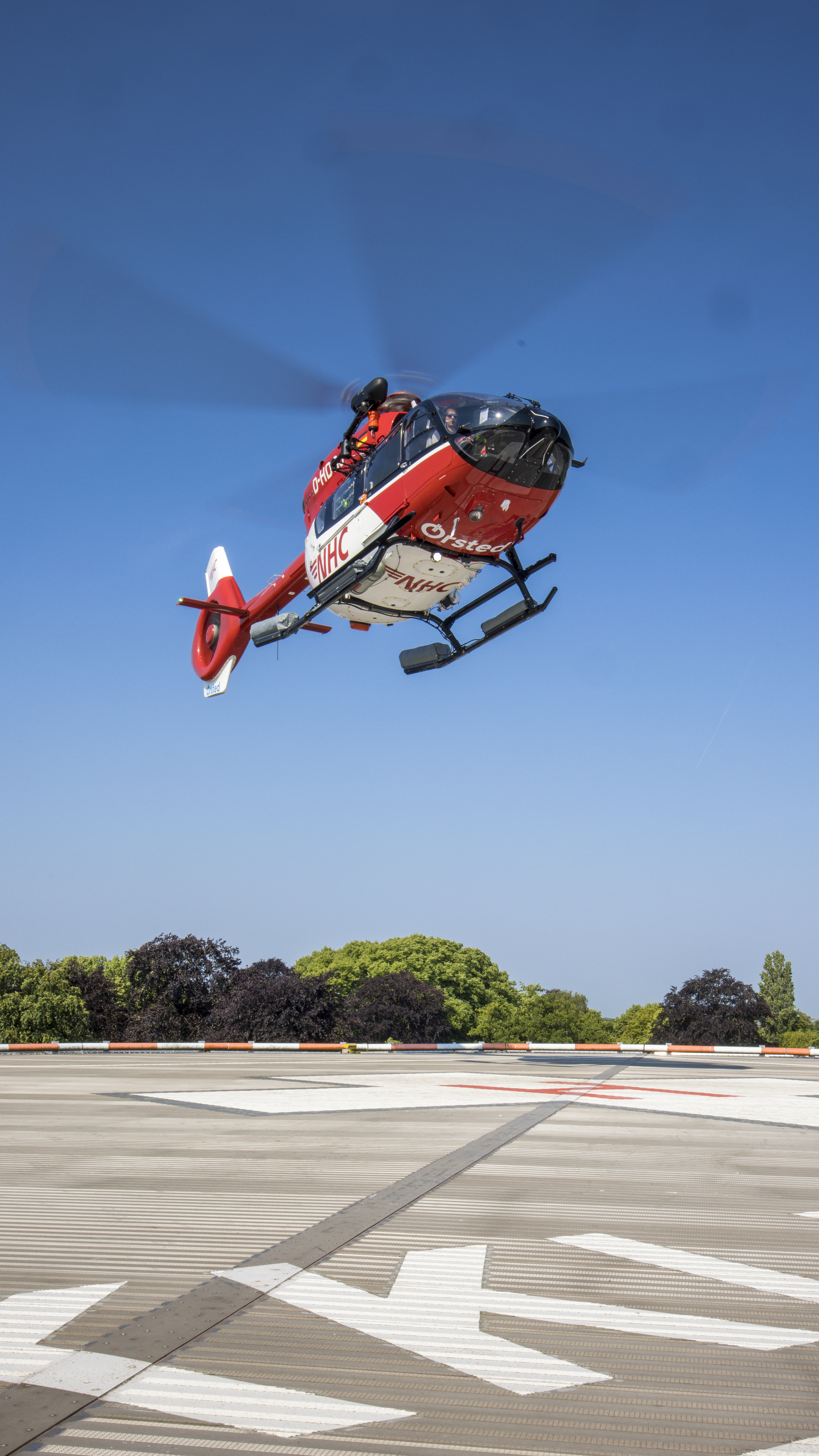
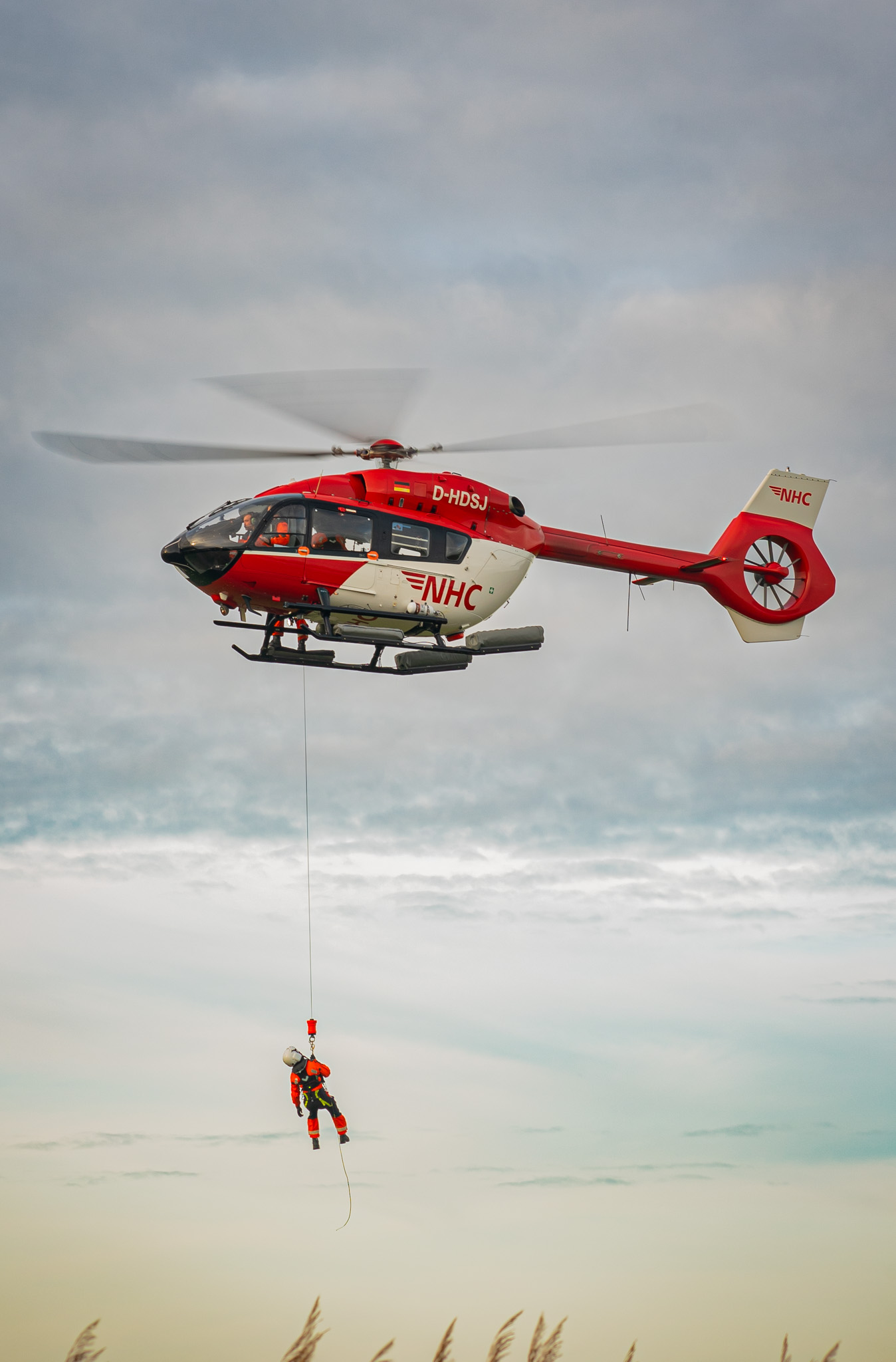
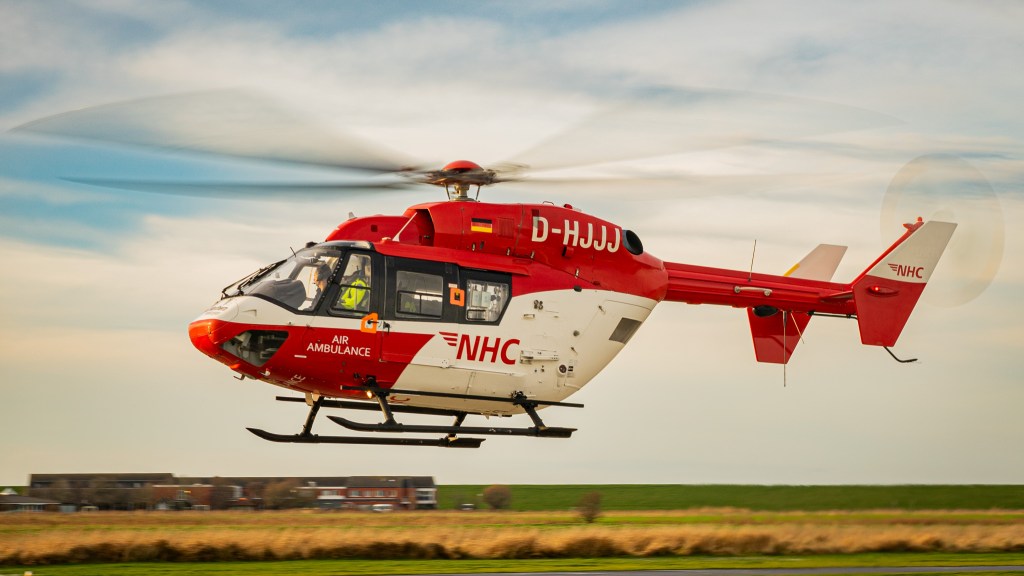
Maxim started flying for Northern Helicopter about two years ago, a company whose philosophy perfectly matched his own. “I started by flying the ambulance for the North Frisian Islands, a job I love doing as it provides that ‘meaningful’ purpose.” Last summer, he also joined the Sea Pilot Transfer operation, flying out to vessels in the North Sea and delivering sea pilots. The hoisting, especially in bad weather conditions, makes it extremely challenging, and Maxim’s learning curve is skyrocketing.
“The ambulance is flown by a single pilot, daytime only, with the assistance of two medics. We work closely as a team, live on the base, and are on duty for 10 hours per day. The islands are packed with tourists in the summertime, and we fly from sunrise until our duty times run out. Winters tend to be quieter as only locals remain on the island, which is good as the weather can be very unpredictable, with heavy winds and sea fog.”
“The Sea Pilot Transfer operation is exactly the opposite. It’s most busy when storms hit the shoreline. Once the waves build above two meters, the sea pilots can’t reach their vessels by tender, and we step in. To give you an idea: my first storm hoisting was in 60kts of wind and five-meter waves on a 300m long tanker with waves breaking over the deck.”
“Five years ago, flying around in an R44, I would have never imagined I would be doing this now.”
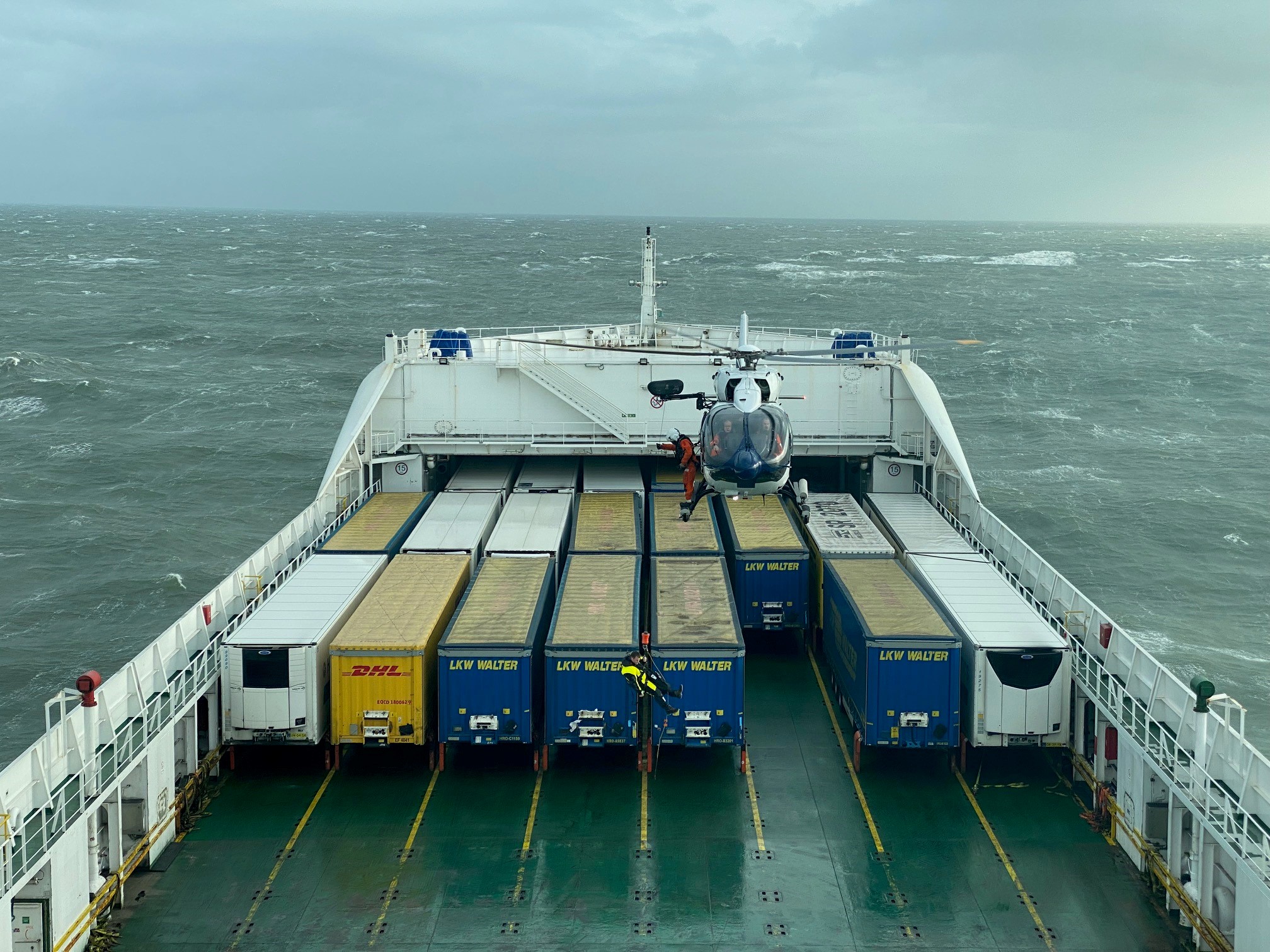
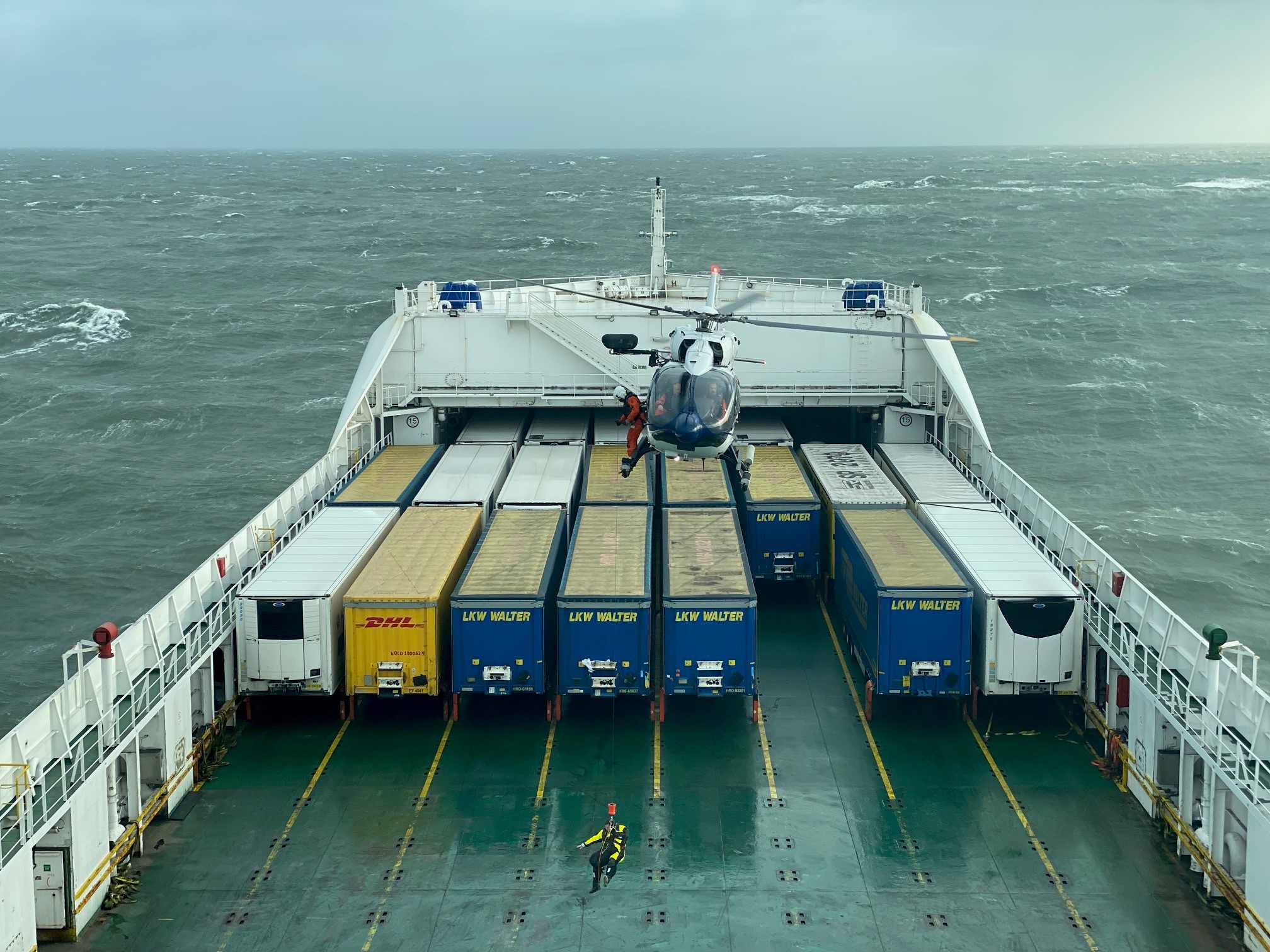
“One of the things I really enjoy here is working as a proper three-person crew: two pilots and one hoist operator, with the latter being my eyes and ears during the sometimes very tricky hoist maneuver. Half the time, I can’t see the antennas and other obstacles on the ship, so I blindly follow his guidance, telling me to move left, right, up, down – and he or she is crazy enough to trust me to act accordingly! Pretty good team-building exercise, I’d say.”
When it comes to changes he would like to see in the industry, Maxim hesitates, “I do struggle with the ecological footprint we have flying helicopters – to such an extent that I wonder if, for my inner peace, I should not consider a career change and stop flying. It’s a strictly personal point of view and no attack on the industry… and as we are often flying medically and are helping out people in need, I can still justify it to myself. Long story short, I look forward to future innovations making helicopter operations more bio-friendly and environmentally sustainable.”
“At the moment, I can’t imagine a better place to be. My experience grows daily at work, the variety of missions pique my interest, and my roster gives me enough time to enjoy life outside work. Most of my off time is spent living in my van, climbing, and surfing. On those days, I do not think for one minute about work; there are no emails, phone calls, or training… It provides the perfect reset to show up at work with a fresh mind and complete focus.”
“Maybe one day it would be nice to work a similarly interesting job closer to home, but I can’t see that happening in the near future.”
Originally published in HeliOps Magazine Issue 148
 Bronni Bowen