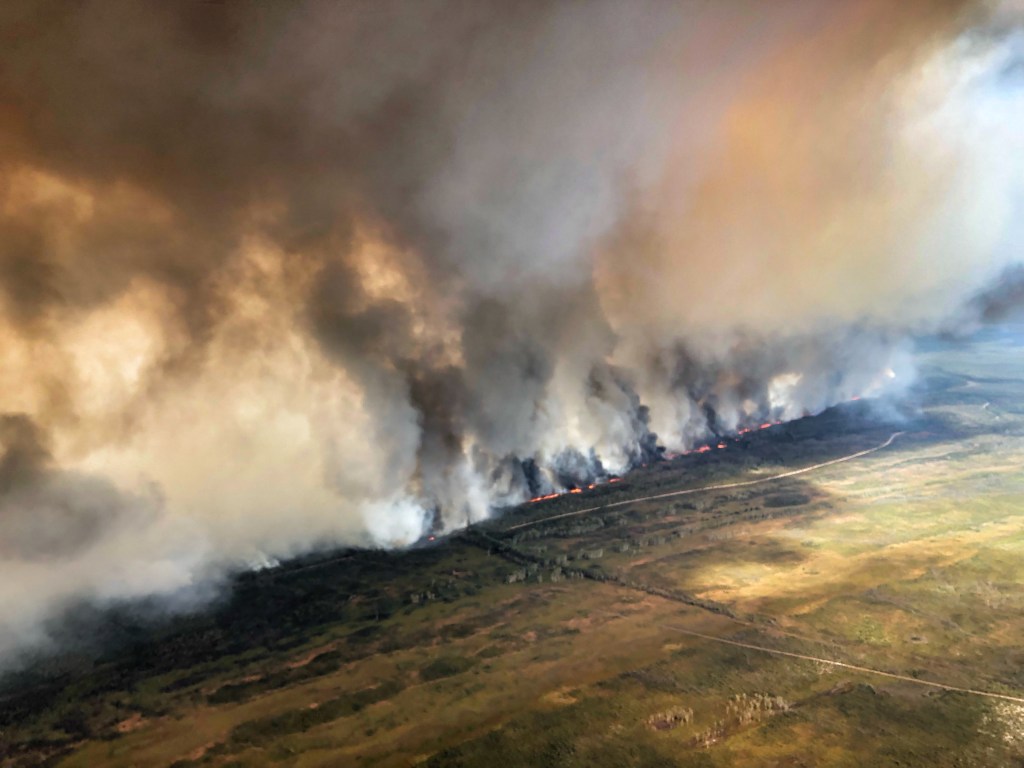
With the jury still out on whether human-induced climate drivers influence the whims of La Niña / El Niño, what’s clear is that right now – as La Niña retreats after delivering an abundance of rain to eastern Victoria and other parts of Australia – is the time to anticipate and prepare. The great dry will return. “Sooner or later, climate change or not, the bush burns.” Since no two El Niño–Southern Oscillation (ENSO) events are the same, we don’t know exactly how much time we have before the impossibly arid, scorching summer days characteristic of an El Niño return (each cycle can take up to four years – which explains 20/21 and 21/22’s relatively mild and moist summers). But there’s no time to rest. Wet seasons mean a greater fuel build-up and are the perfect time to set a plan.
‘Fires need fuel. Big fires need a lot of fuel. What people did in 1788 until newcomers began stopping them reduced and dispersed fuel, breaking it up with grazed grass and open forest. That changed almost everywhere in Australia after 1788. Huge tracts now carry much more fuel than they did, letting fires run, unstoppable, for hundreds of kilometres. It didn’t need anything particularly special to spark Black Summer’s 2019–20 fires, just drought, hot winds and fuel… Our task is to reduce fuel while maintaining the beauty and diversity of our plants and animals.’
– Bill Gamage, past fires as lessons for the future
I wish I could copy + paste Bill Gammage and Bruce Pascoe’s entire book here, but the long and the short of it is that FUEL REDUCTION is imperative. We need to gather local communities and CFAs, honour and recruit our First Nations’ skills and knowledge, and work together to fight fire with fire – this time with an upper hand. And we need to do it now.
‘Black Summer… lasted six months and burnt over 24m hectares, more than all Victoria. In the years between, the climate got hotter, and the fuel load got bigger. Today we don’t hope to reverse global warming, only to limit or stabilise it by some future decade. We could start reducing fuel now.’
🔥🔥🔥
You can purchase the book ‘Country: Future Fire, Future Farming’ by Bruce Pascoe and Bill Gammage (edited by Margo Neale, released Oct 2021). I own two previously published books from the same series, and they are an incredible source of Australian Indigenous knowledge; must-reads.
You can learn about and support Firesticks Alliance in their ongoing practical application and advocacy of cultural fire and land management practices here: https://www.firesticks.org.au/
A great article on understanding ENSO oscillations by the NY Times
Or a video explanation from the British Met Office, if you’re so inclined
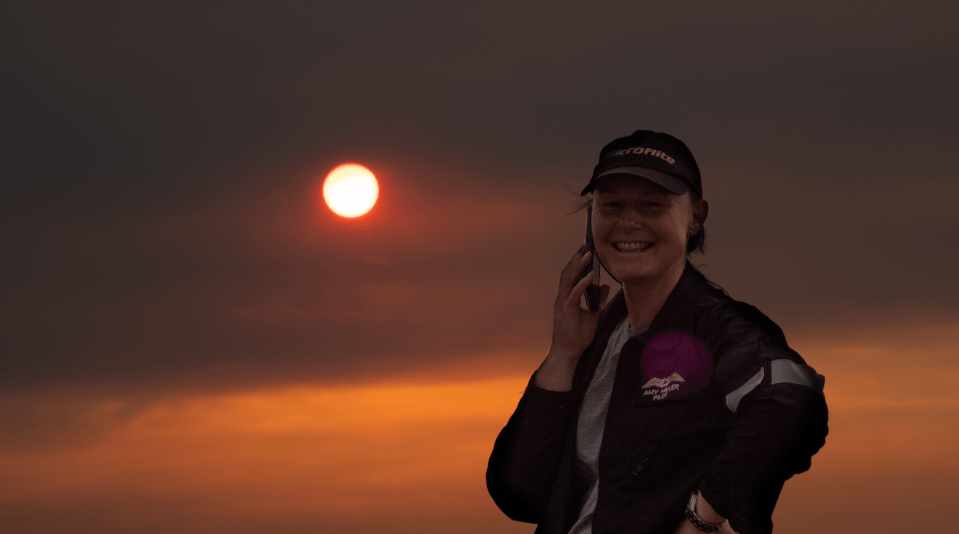
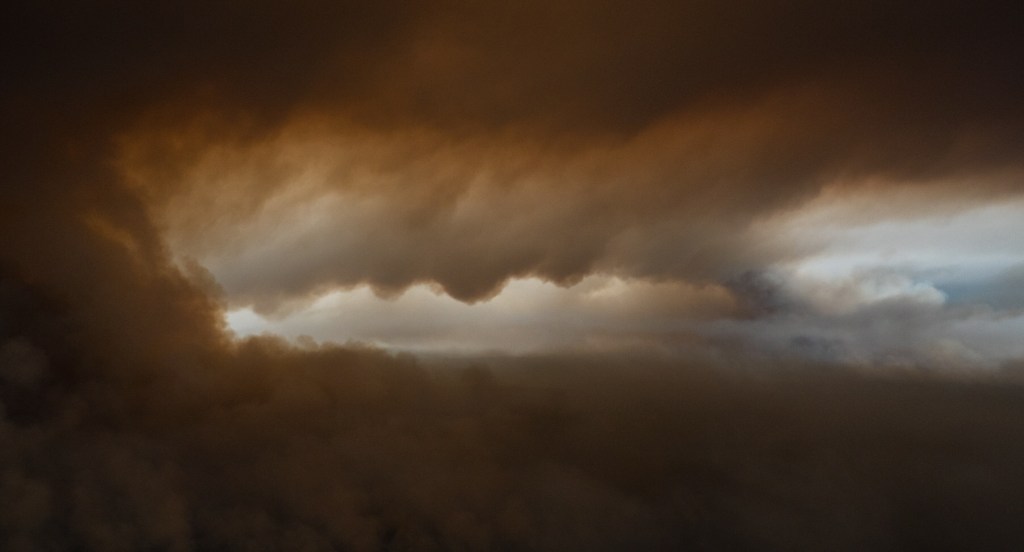
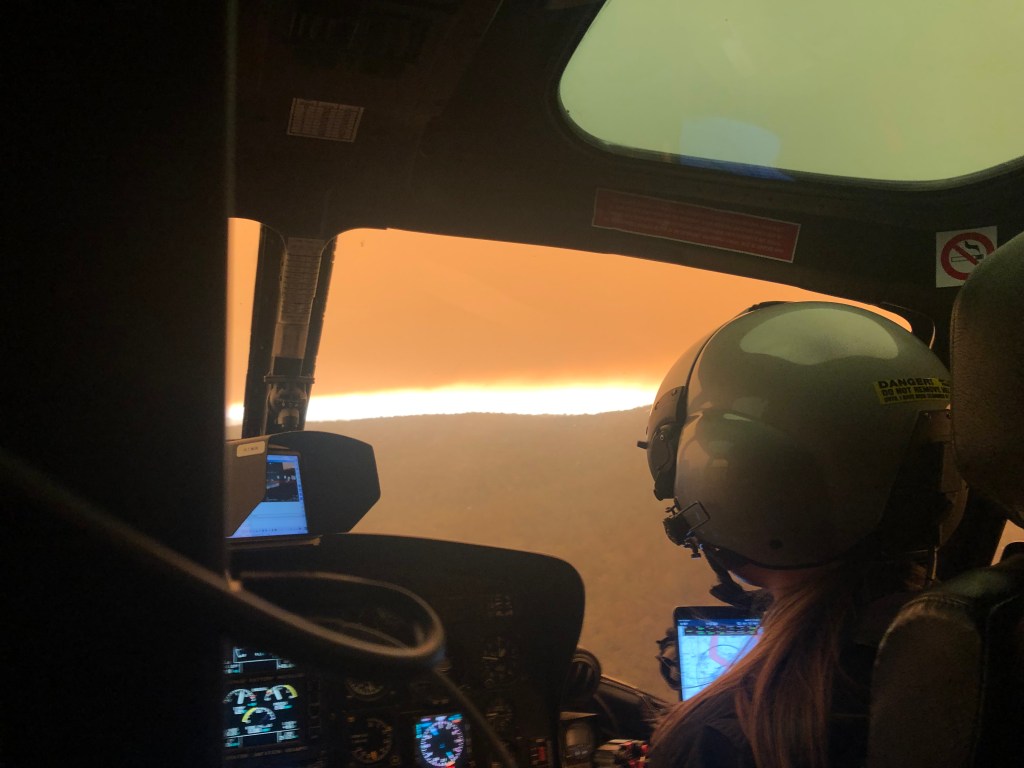
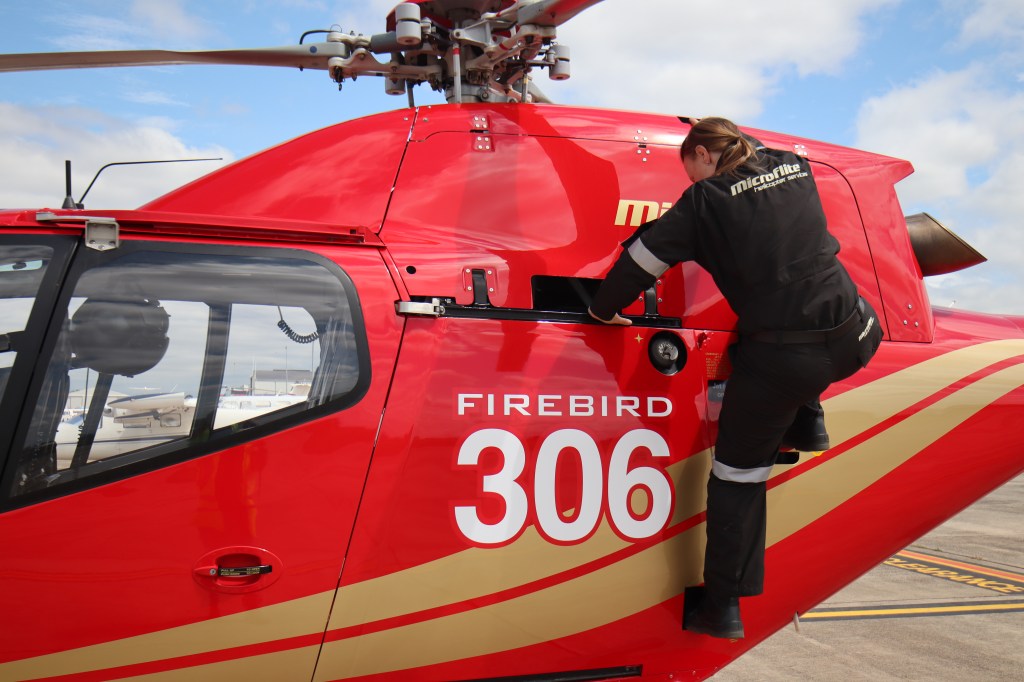
And the article that ensures I don’t forget – one I wrote as the Black Summer firestorm dissipated, from the perspective of Amy Miller, who flew the Firebird 306 in Air Attack (with photography from Petri Miniotas): On Amy Miller – HeliOps Magazine – Bronni Bowen
If you’re looking for other ways to learn about living in Australia, her climate and the best way to manage her, I’d highly recommend the following: Call of the Reed Warbler by Charles Massey, the all-time classic Dark Emu by Bruce Pascoe, The Biggest Estate on Earth by Bill Gammage, Retrosuburbia by David Holmgren and all books from the upcoming First Knowledges series.
Topics of importance are cultural burning, regenerative agriculture and land management, permaculture and sustainable living.
 Bronni Bowen